
Photo by Donna Downs on Unsplash
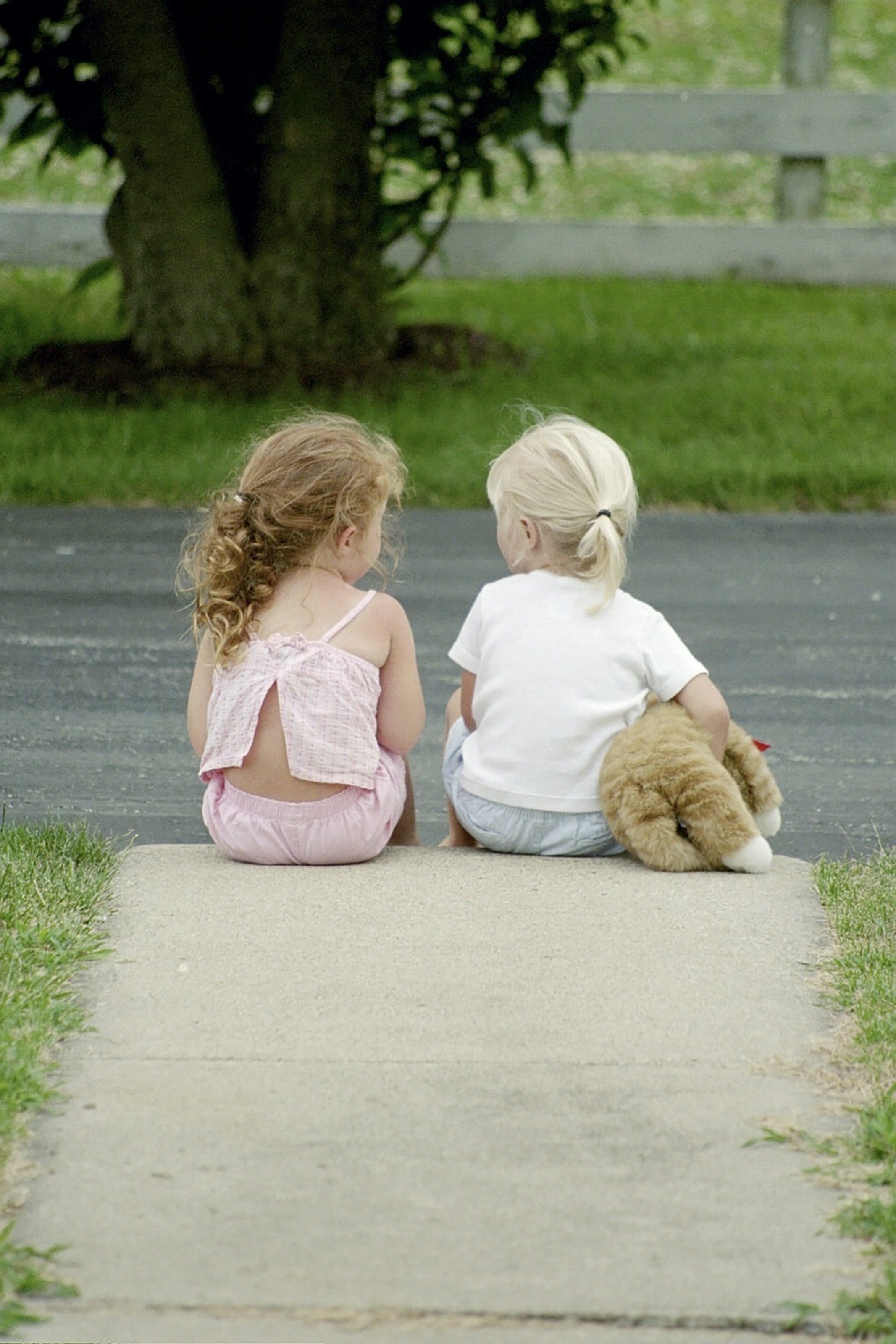
I was 5 years old when my parents bought their first house. On the day we moved in, before the big van even had time to pull away, the word had spread up and down the block: New kids were moving in! A boy who looked to be about my age wandered up to our new front yard and introduced himself.
“Do you like baseball?” he asked me.
I assured him I did.
“Want to play catch?”
“Sure!” I answered.
Shazam! Instant friendship.
Yes, making friends certainly was easier back then. You met people in the neighborhood, at school, later at college and at work. At our age, unfortunately, it’s harder. We can’t walk up to strangers and offer to play ball or knock on a neighbor’s door to ask if Julie can come out and play. Or perhaps we can, but we can’t count on a favorable outcome.
We still need friends and companions as much as we ever did – maybe more. Social isolation and loneliness – two distinct conditions that often overlap – are a major problem for older adults, with negative impacts on physical and mental well-being. (Loneliness is feeling distressed about being alone. Social isolation is a lack of interaction with others on a regular basis. You can be socially isolated and not feel lonely, and vice versa.)
One study by the National Academies of Sciences, Engineering, and Medicine reported that nearly one-fourth of adults ages 65 and older are socially isolated. Research has shown that social isolation and loneliness put older adults at risk for high blood pressure, Heart Disease, obesity, Anxiety, Depression, cognitive decline, and a weakened immune system. According to one researcher, loneliness increases mortality risk by 50% – more than air pollution, obesity, or excessive drinking.
Physical changes as we age increase the risk of social isolation. People with hearing loss or memory loss may avoid social gatherings because they cannot follow conversations. Those with mobility issues may decide going out isn’t worth the trouble.
It’s also inevitable that the longer we live, the more friends and Family we lose to distance or attrition. Without effort on our part, our social networks inevitably contract.
I’m not socially isolated – thanks mostly to the relationship-building activities of my wife – but my default mode is solitude. I’m quite comfortable with time alone. On the other hand, I’m not keen to increase my mortality risk by 50%. So how might I or anyone confronting loneliness or social isolation seek out new friends at our advanced age?
Here are a few suggestions. (Note: I have not field-tested all of them yet.)
Go Clubbing – no, not that kind of club. Find clubs formed by people who share your interests – a book club, for example, or clubs for movie lovers, board game fanatics, writers, cat lovers, birders, coin collectors, etc. The contemporary way to find them is through Meetup, which lists meetings of affinity groups in your area. You can also find promising local groups on Nextdoor and Facebook.
Get Political – Volunteering for a political campaign is a great way to meet people who share your views. It’s also a wonderful way to meet younger people, who tend to be well represented among campaign foot soldiers.
Get Dirty – if you have any interest or skill in growing things, why not volunteer at a community garden? Besides the Exercise and sense of accomplishment, you can expect friendly conversation with fellow gardeners and a harvest of healthy foods.
Get Knowledgeable – take a class through a local university, community college, or senior center. The nation’s 125 Osher Lifelong Learning Institutes offer continuing Education courses geared to older adults.
Go Dancing – dancing is not just a social skill, it’s a team sport. Meet new people while you work up a sweat. Other team sports to consider include Pickleball and bowling.
Go Abroad – if you Love to Travel, look for others who share your interest in a particular destination or in travel generally.
Get Religion – your church, synagogue, or mosque community is always eager for volunteers to join a team, committee, or study group. Get to know others of all ages by working toward a common goal.
Get a Mentee. Be a mentor to someone younger. It can be in your professional field or in personal life through organizations like Big Brothers Big Sisters or Mentor.
The bad news is that new friends won’t be knocking on your door uninvited. You will have to take the initiative. But the benefits in Health and Longevity make the effort a wise investment.