
I recently answered a poll on LinkedIn that offered four different choices. In each of the choices it ended with the two word phrase, “more speed”. My choice centered around having less noise in my life in order that I quickly be focused to get more done. I responded as such in the comments section.
However, some of the other comments caught my eye.
“More Clarity and less speed.”
“Less focus on speed. More focus on meaning.”
“More speed is not needed. The world is already fast enough.”
“Less speed and more purpose.”
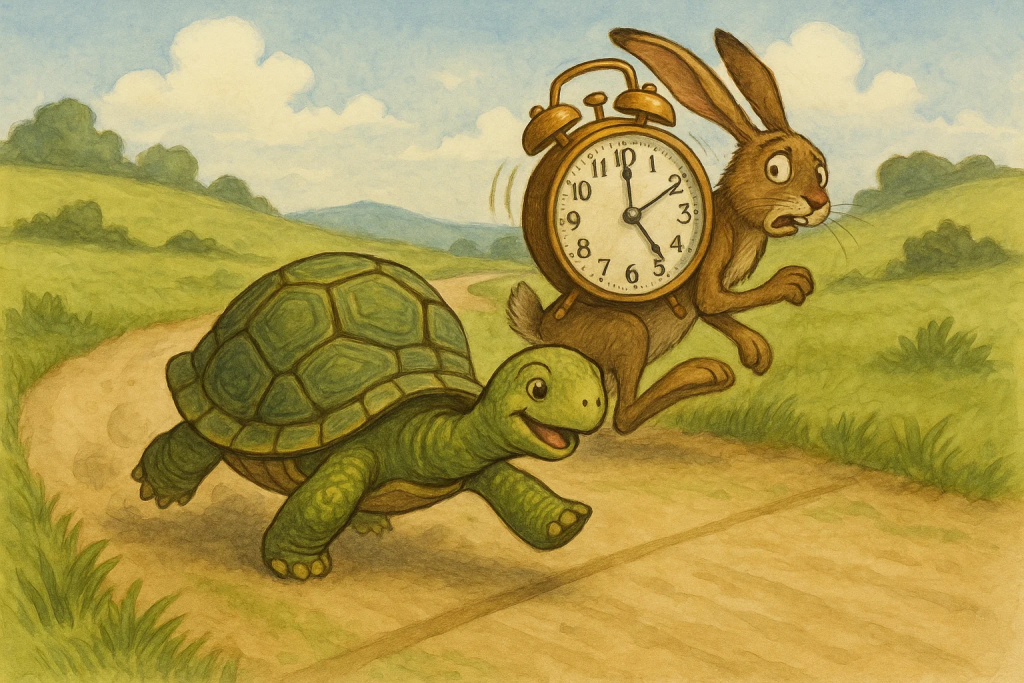
Unlike me who answered the poll question very quickly and commented just as fast – these individuals chose to stop and ponder their response and challenged the initial assumption that speed is better. Their responses were enlightening and humbling. Reflecting further there is a distinct advantage to not seeking greater speed but slowing down to get more done.
I talk a lot about the concept of preparation, execution, and control (PEC). It is a part of my book, The Time Optimized Life. PEC is not about speed; it is about intentionality. Therefore, let’s explore how we all can slow to in effect speed up for greater productivity and quality time.
The essence of preparation is to take time to understand what you think an upcoming period of time will look like. Even today, I fight to keep from diving into the workday, right away.
I do have a routine. My wife and I like to take our dog for a walk early in the morning. It is a quiet time for us to be able to talk, reflect, and even strategize for the future. It is deliberate and at an even pace. Yet, I can come back, and dive right into the day.
When I choose to slow down and look at what I have planned and then adjust where needed, I become self-aware and remind myself where I need to place emphasis on the important elements of the day. Even if it is five to 10 minutes and prepare.
I find that when I have focused just a little bit of time on the preparation for the day, I am better able to adjust needs as I execute back to my original plan. The E of PEC Challenges to take a break, not to pause and do nothing, but to test how well I am doing to my goals. It interrupts the auto-pilot mindset or the reactionary attitude. It takes the blurring of time and replaces with unhurried yet more productive focus.
Block off time on your calendar in and around the lunch time frame and test that you are still following the preparation you set earlier in the day. It’s not too late to either get back on track or adapt what you need to do to still feel you used your time valuably.
The third element of PEC is control. It is your ability to ask yourself, “Did I control the events of the day or did the events of the day control me?”
If you do not slow down or set a solid intentional pace during the day, the end of the day can look like it is crashing into a wall, or it never seems to end. It just blurs right into the next.
Therefore, pause at the end of the day. Give yourself 10 to 15 minutes to review what’s complete, noting what’s still pending, and set yourself up for the ritual that will be tomorrow. This mental decompression slows your pace, reduces lingering Stress and sets you up for the next day.
Having fallen into the trap of the need for speed to think that is what it’s going to take to be as productive and time efficient as possible is a common trap to fall into. Even me. So, grant yourself grace to take a little time to set a ritual for the day, audit yourself on how you’re doing during the day, and make a strategic choice to shut down the day.
As one of the people who commented on the poll I took part in, “More prior planning and preparation to prevent poor performance will likely eradicate your need for speed.”
Sage Advice
David Buck is the author of the book The Time-Optimized Life, coauthor of The Retirement Collective, and owner of Kairos (Time) Management Solutions, LLC. Learn how to apply the concepts of proactively planning and using your time. Take the Time Management Analysis (TMA), the Retirement Time Analysis (RTA), or all the other free resources offered to help bring more quality time into your life.
The post Intentional Time: How to Win Without Rushing first appeared on Infinity Lifestyle Design.