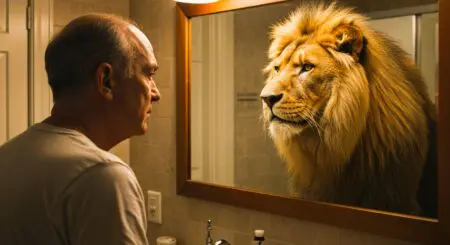

There’s a quiet revolution happening in how we age—and it doesn’t involve cozying up with a spouse or being surrounded by grandkids 24/7. Instead, many are choosing the path less traveled: a Solo Lifestyle. This isn’t just about living alone—it’s about embracing independence, prioritizing personal Growth, and rediscovering joy on one’s own terms. Aging no longer has to mean settling down in the traditional sense. In fact, for many, aging solo means standing up and living loud, with freedom and purpose.
As people step into their 50s, 60s, and beyond, there’s a growing rejection of outdated narratives. Retirement doesn’t mean isolation, and being single doesn’t equal loneliness. The solo Lifestyle, once seen as lonely or undesirable, is now viewed by many as a powerful choice—a sign of confidence, maturity, and Clarity about what brings true happiness.
This trend isn’t happening in a vacuum. With increased life expectancy, improved healthcare, and more progressive views on Relationships, older adults are realizing they can thrive alone. They’re not anti-relationships, they’re pro-freedom. Whether divorced, widowed, or lifelong singles, they’re learning to Love the autonomy that comes from living for themselves.
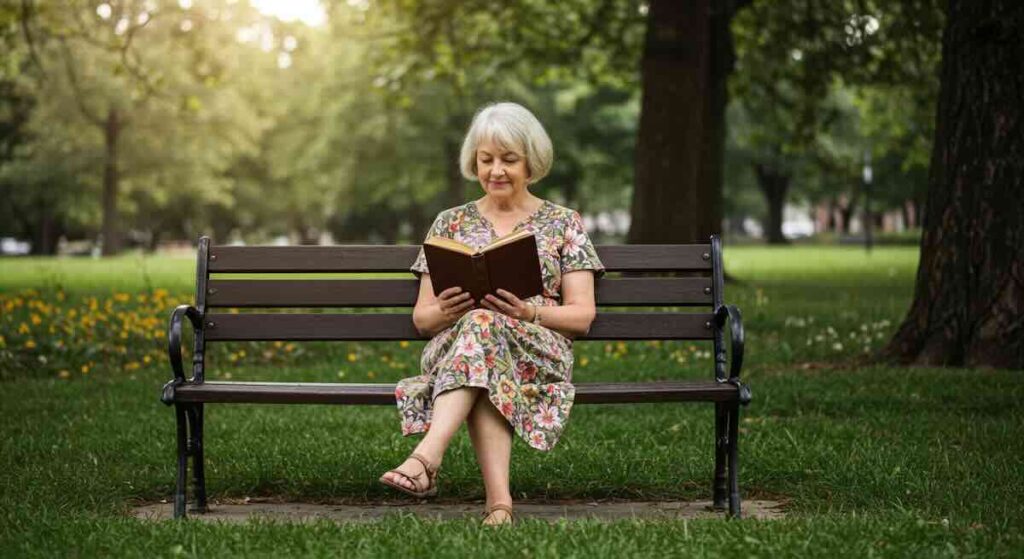
Look at any major city—or even smaller towns—and you’ll notice a common trend: more people are living alone than ever before. According to global demographic studies, solo households are on the rise. In the USA, one-person households have gone from 10% in 1950 to 28% today. In Norway, Denmark, Sweden, Germany and Russia, the proportion of one-person households exceeds 40%. And no, it’s not just young adults enjoying their freedom. Older adults are leading this wave of change.
Several factors are driving this rise. For one, people are living longer and healthier lives. Retirement at 65 no longer signals the end of personal growth, it often marks the beginning of a new chapter. Additionally, the societal stigma around being single has greatly diminished. Where older generations might have viewed Marriage as a lifelong necessity, today’s seniors are more likely to prioritize peace of mind over social expectations. Women, in particular, are fueling this movement. Empowered by Education, Financial Independence, and longer life expectancy, many are choosing to live solo after Divorce or widowhood rather than remarry. They’ve spent decades caring for families—now, it’s their time. And men aren’t far behind, increasingly seeing value in their independence and personal space.
Technology also plays a key role. From virtual socializing to telemedicine, older adults can stay connected, healthy, and informed without the need for a live-in partner. The ability to stay digitally engaged is giving solo dwellers a newfound confidence to live life on their own terms. Culturally, we’re seeing a shift towards valuing personal space and individualism. The “me time” that was once a luxury is now a lifestyle. The rise of solo living isn’t about avoiding others—it’s about finally listening to oneself.
If you grew up watching old sitcoms or romantic dramas, you probably absorbed the message that happiness came in pairs. Marriage was the endgame. But times have changed—and so has our media. From movies showcasing independent older women to viral stories of Elderly solo travelers, the solo lifestyle is getting a major image makeover. TV shows, documentaries, and even advertisements now celebrate self-reliance, personal growth, and non-traditional paths. You’ll find characters who aren’t just alone, they’re thriving. They’re starting businesses, exploring the world, or simply enjoying a quiet cup of coffee in a sunlit apartment. These portrayals have helped normalize, and even glamorize, solo living.
Social media amplifies this shift. Older influencers and content creators share their solo journeys—showing off solo Travel, minimalist living, and personal transformation. Their stories resonate with thousands who crave authenticity and freedom. No longer are solo seniors hidden; they’re front and center, inspiring others to live boldly and independently. Even public discourse is changing. News articles and opinion pieces highlight the benefits of aging alone, and thought leaders speak openly about the power of solitude. As a result, the idea of growing old alone is no longer met with pity, it’s often met with admiration. This societal shift is crucial. It gives those exploring the solo lifestyle validation and community. No one wants to feel like an outlier. But when media and culture begin to celebrate your lifestyle, it reinforces that you’re not alone, you are part of a growing, empowered movement.
The psychological perks of living solo are both profound and liberating. For starters, there’s the sheer joy of autonomy, the ability to make decisions without negotiation or compromise. Whether it’s choosing your bedtime, your meals, or your daily routine, autonomy fosters a deep sense of empowerment. Living alone also provides the space for introspection and emotional growth. Without constant external distractions, many solo dwellers discover a stronger sense of identity. They reconnect with their core values, unearth forgotten dreams, and tap into creativity they never had time to explore before.
There’s also a peace that comes from emotional independence. Without the drama or emotional rollercoasters that can accompany cohabitation, many older adults find themselves experiencing less Anxiety and more emotional stability. They can process Emotions on their own timeline, develop resilience, and cultivate a sense of self that’s not dependent on another person’s validation.
And let’s not overlook the sense of accomplishment. Successfully navigating life solo builds confidence. Each decision made, each challenge overcome, reinforces the belief that you are capable and whole on your own. For many, this psychological shift isn’t just about surviving—it’s about thriving. It’s about moving from “I can do this alone” to “I love doing this alone.”
Let’s be honest—living with someone, especially in long-term relationships, often involves compromise, negotiation, and, at times, conflict. While partnerships can bring love and support, they can also bring arguments over finances, routines, or even what show to watch on Netflix. As people age, their tolerance for unnecessary conflict tends to shrink. Peace of mind becomes priceless. Living solo removes the daily friction that can come from clashing habits or mismatched expectations. There’s no pressure to accommodate someone else’s moods or habits. Want to eat dinner at 4 p.m. in your pajamas? Go for it. Craving a week of silence and books? No problem. The solo lifestyle offers freedom from emotional labor. This doesn’t mean solo agers are antisocial—it means they’re prioritizing peace over people-pleasing. They know the value of their emotional bandwidth and are no longer willing to expend it on relationship maintenance that doesn’t serve their well-being.
Many solo adults report lower levels of chronic Stress. They Sleep better, feel calmer, and enjoy a sense of inner balance that’s often elusive in high-maintenance relationships. Instead of navigating household politics, they’re focusing on self-care, friendships, and purposeful living. For those who’ve left marriages or long-term partnerships, the absence of constant tension can feel like a breath of fresh air. It’s not about bitterness—it’s about choosing harmony over heartache.
Living solo later in life often sparks a beautiful rediscovery of self. After decades of fulfilling roles—spouse, parent, caregiver, employee—it’s finally time to ask: Who am I when no one else is defining me? This stage of life becomes an opportunity to reconnect with the parts of yourself that may have been set aside. Maybe it’s the writer who never wrote the book. The artist who stopped painting. The adventurer who shelved her dreams of hiking in the Himalayas. Solo living clears the space—both literally and metaphorically—for these identities to re-emerge and thrive.
Without external expectations clouding your sense of self, it becomes easier to define your values, passions, and purpose. You’re not just reacting to life—you’re consciously shaping it. Whether that means going back to school, launching a passion project, or simply enjoying slow mornings with a journal and coffee, you get to decide what defines you now. Rediscovery isn’t always about grand reinvention. Often, it’s found in small, consistent acts of self-expression—choosing clothes that reflect your taste, cooking meals that nourish you, decorating a space that feels truly yours.
This process of identity rediscovery is also deeply healing. It allows solo agers to reflect on the past, make peace with it, and move forward with clarity. There’s a sense of empowerment that comes from truly knowing who you are, what you want, and what you no longer need. Solo living isn’t about shedding the past—it’s about reclaiming the parts of yourself that bring joy, purpose, and authenticity.
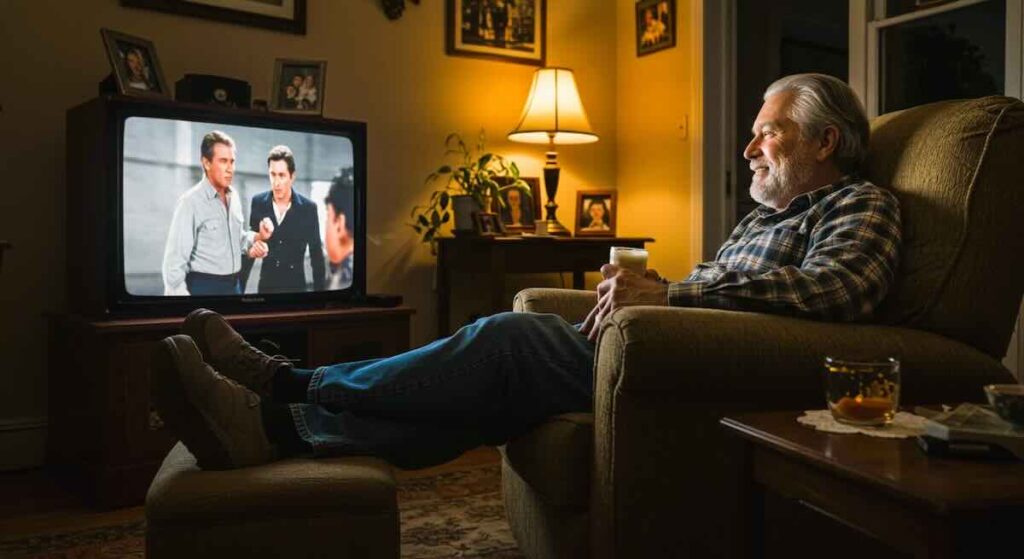
Aging doesn’t have to mean slowing down, giving in, or compromising on your dreams. For many, it’s becoming the most liberating chapter of life—especially when experienced solo. The solo lifestyle, far from being lonely or empty, offers space for personal growth, self-discovery, and authentic joy. It’s about living intentionally, embracing independence, and crafting a life that reflects your deepest values and desires. From emotional clarity and financial freedom to travel, self-care, and connection, solo aging empowers you to write your story. You’re not constrained by traditional roles or expectations. You’re free to pursue hobbies, build new friendships, and invest in your own well-being without distraction.
Of course, there are challenges. But with awareness and proactive planning, solo agers can navigate these hurdles gracefully—often more effectively than those in complicated partnerships or Family dynamics. By embracing solitude, being mindful of your needs, and building intentional support systems, solo living becomes not just possible, but powerful. In the end, the solo lifestyle isn’t just a default setting for those without a partner, it’s a bold choice. A statement. A declaration that says: I’m enough. My company is enough. And my life, lived on my own terms, is rich with meaning.