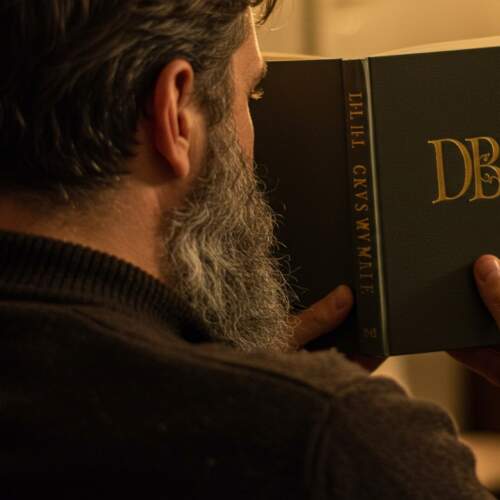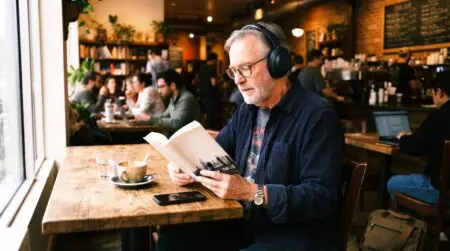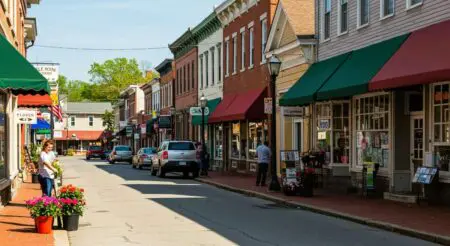

We’ve all had those moments where a song, a scent, or an old photo suddenly transports us back in time. You get that warm, sometimes bittersweet feeling, and for a few seconds, you’re not in the present anymore. Welcome to the world of nostalgia. But why do we constantly seek comfort in the past? What makes nostalgia so irresistible that entire industries now rely on it?
Nostalgia is a complex emotional state that combines happiness, longing, and sometimes sadness. It originates from the Greek words “nostos” (return home) and “algos” (pain), quite literally translating to “the pain of returning home.” But today, it’s not just about homesickness. It’s about revisiting a time that felt simpler, safer, and more comforting—whether that’s childhood summers, your college years, or even the early Internet at the turn of the 21st. Century.
Nostalgia isn’t just reminiscing. It’s a full-bodied emotional experience that can bring tears to your eyes and a smile to your face simultaneously. It’s that feeling when you hear a song from your teenage years or rewatch a cartoon you loved as a kid. It’s a tug at the heartstrings that makes you yearn for “the good old days,” even if they weren’t all that great in reality.
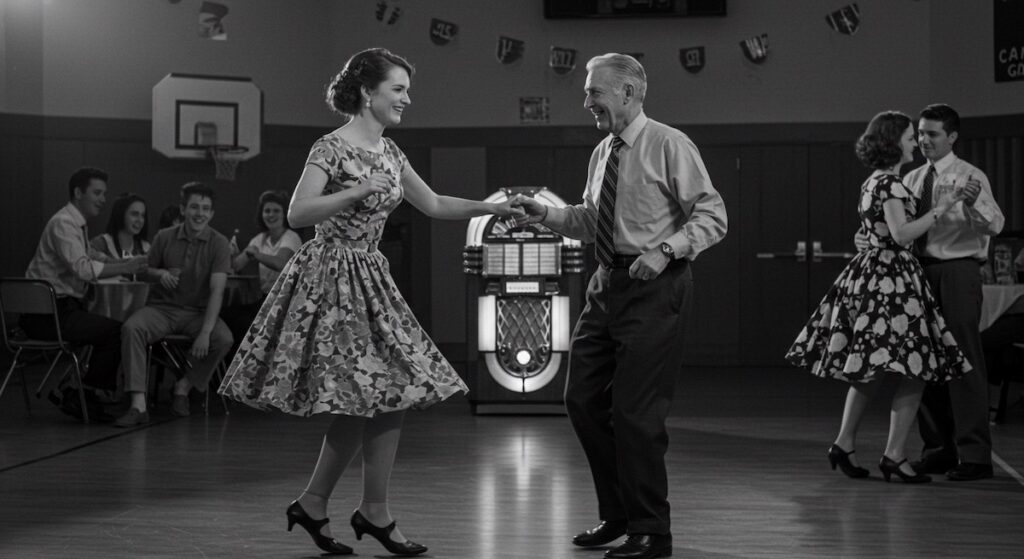
Our brains are wired to find meaning and comfort in our memories. These moments of nostalgia act like a psychological balm—especially when current times feel uncertain or overwhelming. It reminds us of who we were, who we are, and sometimes who we wish we could still be. Ever wondered why nostalgia feels so real? It’s not just your imagination. Neurologically, nostalgia activates multiple areas of the brain—particularly the prefrontal cortex, hippocampus, and amygdala. These regions are associated with memory retrieval, emotion processing, and reward. When you’re feeling nostalgic, your brain releases a cocktail of feel-good chemicals like dopamine and oxytocin. These chemicals make you feel connected, relaxed, and even euphoric. In short, nostalgia is a natural mood booster.
But there’s more. Studies have shown that people experiencing nostalgia tend to have increased self-esteem, feel more socially connected, and even have a greater sense of meaning in life. It’s like mental comfort food—rich, satisfying, and deeply personal.
Nostalgia doesn’t strike randomly. Certain triggers tend to bring it on more than others. These include:
Emotional states also play a big role. When you’re feeling lonely, anxious, or uncertain, you’re more likely to reach for comforting memories. Nostalgia, in those moments, acts as a psychological Security blanket.
While nostalgia can offer comfort and emotional relief, it also has a darker, less discussed side. For some people, constantly yearning for the past can turn into a form of escapism that interferes with living in the present. Instead of reflecting on the past fondly, they become stuck in it, romanticizing it to the point where the present feels pale in comparison. This becomes especially dangerous when nostalgia morphs into regret or resentment. The more idealized the memory, the more disappointing real life can seem. People start to believe they’ve already lived their “best days” and that nothing ahead could possibly measure up. That mindset can lead to Anxiety, Depression, and feelings of hopelessness.
There’s also the risk of selective memory. When we’re nostalgic, we often filter out the negatives. You might remember high school as the best time of your life, but forget the Stress, insecurity, and drama that came with it. This creates a distorted view of reality, making the past seem better than it actually was. Too much nostalgia can prevent personal Growth. If you’re always looking back, it’s hard to move forward. Like walking backward on a moving sidewalk—you might feel like you’re going somewhere, but in reality, you’re stuck. That’s why it’s crucial to find a healthy balance between cherishing the past and embracing the present.
Idealizing the past doesn’t just impact individuals—it can influence entire societies. When people say, “We need to go back to how things used to be,” it’s often rooted in nostalgia, but not always in truth. That kind of thinking can stall progress and even justify harmful policies or ideologies. In pop culture, over-idealizing certain decades can also create a false sense of identity. Think of how the 1950s are often portrayed as a golden age, ignoring the systemic issues and social inequalities that were rampant during that time. When nostalgia becomes a lens through which we view the present, it can cloud our judgment. It’s okay to Love the past—but we must remember it as it was, not as we wish it had been.
Believe it or not, nostalgia has real Health benefits. According to psychological research, indulging in nostalgic memories can reduce stress, improve mood, and even lower physical pain perception. That’s because nostalgia activates areas in the brain associated with comfort and reward. It can also help combat feelings of loneliness. When you’re reminiscing about good times spent with friends or Family, you’re reminded that you’re not alone, you’ve had meaningful connections before, and you can have them again. This helps foster resilience and optimism.
Studies have shown that people who engage in nostalgic thinking tend to have higher levels of self-esteem. Remembering moments of success, joy, or love reinforces a positive self-image. It’s a way of reminding yourself that you are capable, valued, and loved. Even your immune system can get a boost. One study found that people who experienced nostalgic Emotions had higher levels of optimism and perceived social support, both of which are linked to stronger immune function. So, it turns out that daydreaming about your childhood may be as good for your body as it is for your soul.
Nostalgia is often a shared experience. Think about the last time you bonded with someone over an old TV show, a classic video game, or a childhood snack. Those shared memories create instant rapport and deepen emotional connections. This is why nostalgia is so powerful in storytelling and marketing—it makes people feel seen and understood. It connects individuals not just to their own past, but to a collective cultural memory. That sense of unity is especially valuable in a world that often feels fragmented and isolated.
Nostalgia also encourages gratitude. When we look back on meaningful Relationships and moments, we appreciate the people and experiences that shaped us. That appreciation strengthens existing relationships and fosters new ones. Whether it’s reminiscing with a friend or watching a movie from your youth with your kids, nostalgia can be a beautiful bridge between generations, cultures, and hearts.

Nostalgia is a beautiful thing—when used wisely. The key to healthy nostalgia is balance. You don’t want to live in the past, but you also don’t need to forget it. Your memories are a part of your story, and revisiting them can offer comfort, perspective, and strength. Ask yourself: am I revisiting this memory because it brings me joy, or because I’m unhappy with the present? If it’s the former, enjoy it. If it’s the latter, try to channel those feelings into something constructive.
Use nostalgic memories to inspire action in the present. Loved writing stories as a child? Pick up a pen again. Miss your college band days? Join a local jam group. Nostalgia can be a launchpad for creativity and connection—not just a place to mentally retreat. Create new traditions that echo your past joys. Watch old holiday movies with your kids, cook meals your grandparents made, or start scrapbooking. In doing so, you honor your history while also living fully in the present.
So, why are we so hung up on nostalgia? Because it’s part of what makes us human. Nostalgia comforts us in times of uncertainty, connects us to others, and reminds us of the joy and love we’ve experienced. It gives us continuity in an ever-changing world.
But nostalgia isn’t just about the past. It’s about using the past to enrich our present and inspire our future. When embraced wisely, it can be a tool for healing, creativity, and connection. So go ahead—play that old song, flip through that dusty photo album, or binge-watch your favorite childhood cartoons. Just do it with open eyes, a grateful heart, and a mind that’s ready to keep moving forward.