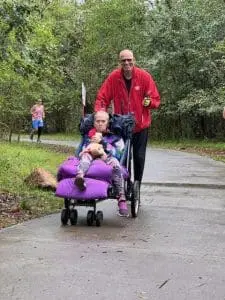
Becoming a caregiver for someone with Alzheimer’s reshapes your entire life. The diagnosis of your partner, spouse, or Family member becomes your diagnosis too. You lose Sleep worrying. Your own Health goals get shelved. Exercise routines disappear. But here’s what many caregivers discover: staying active is not selfish. It’s essential. It keeps you strong enough to be the caregiver your loved one needs, and it protects your own mental and physical health during what will be a long journey.
When someone you Love is facing a serious illness, self-care feels like a luxury you can’t afford. But research and lived experience both confirm that caregivers who maintain some form of regular activity handle Stress better, sleep more soundly, and experience less Depression and Anxiety. Movement releases endorphins. It gives you a mental break. It reminds you that your body still belongs to you, not entirely to the demands of Caregiving.
The journey with Early-Onset Alzheimer’s is often measured in years, sometimes decades. That’s a marathon, not a sprint. Neglecting your own fitness now will cost you later when your loved one needs you most.
You don’t need to run marathons across Madagascar or half-marathons in Antarctica to stay active. Start with what’s realistic for your current life.
The goal is consistency, not intensity. A 20-minute walk you do four times a week beats a one-hour workout you only manage once a month. Pick something you actually enjoy, because you’ll keep doing it.
You don’t always have to exercise separately from caregiving. Sometimes you can do both.
If your loved one can still walk, take walks together. Movement can slow cognitive decline and ease agitation in people with Alzheimer’s. You get your activity in, and they benefit too. If they can’t walk far, start with short distances and celebrate the outing. If walking isn’t possible, sit outside together while you do stretching or light movement nearby.
Some caregivers find that group fitness classes designed for two people, or senior exercise programs where caregivers can participate alongside their loved ones, work well. You’re moving, they’re moving, and you’re together. If they can’t exercise with you, ask a family member, friend, or paid caregiver to stay with your loved one for an hour twice a week while you go to a class or run.
The emotional weight of caregiving is real and relentless. You watch someone change, lose abilities, forget you, sometimes even become hostile or withdrawn. That takes a toll. Many caregivers report that the time they spend moving, whether running, walking, cycling, or swimming, is the only time they truly process their feelings or simply escape the mental heaviness.
Movement doesn’t fix the situation. It won’t cure Alzheimer’s. But it gives your mind permission to rest from worry for a little while. Some caregivers use their exercise time to listen to podcasts or audiobooks and mentally step away. Others use it as Meditation, focusing only on their breath and their body. Both approaches work.
You can’t do this alone. A sustainable caregiving journey requires help, and that includes help with fitness.
Talk to other caregivers. Many support groups for Alzheimer’s families discuss how members stay active. They may have ideas specific to your situation. Online communities, local Alzheimer’s organizations, and caregiver support groups can connect you with people who truly understand the challenge.
If you’re part of a faith community, ask if they have caregiver support or fitness programs. Many do. If you have family or friends nearby, ask them to cover caregiving duties for an hour a few times a week so you can move. This isn’t asking too much. Real friends and family want to help, and most will if you tell them specifically what you need.
Alzheimer’s is progressive. What works for a year may not work in year three. Your loved one may need more constant attention. Your own body may have its own health challenges to manage. When your current routine stops working, adjust it rather than abandoning movement altogether.
If you used to go to a gym, try home workouts. If group classes become impossible, return to solo walks. If mobility changes, try water exercise or chair Yoga. The specific activity matters less than the consistency and the intention to keep moving. You’re not training for a race. You’re training to survive this marathon with your health and sanity intact.
The years ahead will demand everything from you. You’ll need endurance, patience, compassion, and strength. Staying active now isn’t something you do despite being a caregiver. It’s something you do because you are a caregiver. Your own fitness is part of how you show up for the person who depends on you. Take the walk. Do the workout. Move your body. Your future self will thank you, and so will your loved one.
The post How to Stay Active as an Alzheimer’s Caregiver first appeared on Running With Cat.