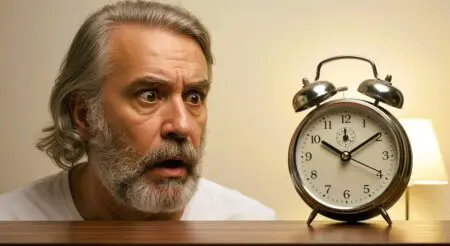
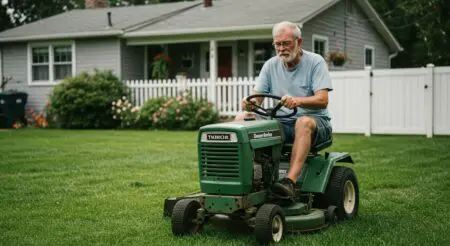
Retirement is a beautiful milestone. It’s the time when the early morning alarms are turned off for good, meetings become a thing of the past, and you finally have time to relax. While retirement is often seen as a reward for decades of hard work, it also brings a seismic shift in a couple’s daily lives. For years, careers, raising kids, and routines kept couples on autopilot. Suddenly, with retirement, there’s an abundance of time, and the house feels smaller when you’re together 24/7. So, how do you keep Love alive after retirement? It turns out that love after retirement isn’t just about the big romantic gestures. It’s about intentionality. It’s about rediscovery. It’s about growing together in ways that were perhaps never explored during the busy decades before. This stage can be the most romantic chapter yet—if you’re willing to nurture it.

Before retirement, couples often lived like ships passing in the night. Work, errands, Parenting, social obligations, time together was limited. But now, you’re in the same space… all day. At first, it might feel like a second honeymoon. But over time, too much togetherness can create friction if not managed well. You might notice your partner’s quirky habits more or realize your routines clash. One partner may want adventure, while the other prefers quiet. These small things can snowball into tension if not addressed. That’s why it’s so important to talk about how you both envision your retired life—and be ready to compromise. Instead of resisting the changes, embrace them. View this stage as a fresh start rather than an end. Think of it as an opportunity to finally live the life you’ve always wanted—together.
Retirement can stir up unexpected Emotions. Some feel a loss of purpose, identity, or routine, especially if their job was a major part of their life. Others may struggle with Aging, Health concerns, or Anxiety about the future. These emotional shifts can affect how you relate to your partner. One may withdraw or become irritable, while the other might feel confused or rejected. The key here is empathy. Acknowledge that this transition affects you both, albeit differently. Having open conversations about your feelings—without judgment—builds emotional closeness. Don’t assume your partner is “just moody.” Ask questions. Offer support. This emotional transparency strengthens your bond and helps you move forward as a team.
When you’ve been together for decades, conversations can become routine. “What’s for dinner?” “Did you take your vitamins?” But communication is the heartbeat of Intimacy. To keep love alive, you need to keep the dialogue deep, interesting, and heartfelt. Try setting aside time each day just to talk—not about chores or grandkids, but about dreams, memories, opinions, even silly things. Ask open-ended questions. Share something new you learned. Discuss books, movies, or the news. Keep the curiosity alive. You can even revive “date night” conversations. Remember those long talks you used to have when you were Dating? Bring that vibe back. It’s not about having answers—it’s about showing you still care what your partner thinks and feels.
Conflict is natural in any relationship, especially when routines and roles change. Maybe one of you is more relaxed about spending Money, or one likes to Sleep in while the other is up at dawn. Differences that were manageable before can now feel magnified. The secret isn’t avoiding arguments—it’s how you handle them. Instead of blaming or criticizing, use “I” statements: “I feel upset when…” instead of “You always…” This creates a safer space for communication. Also, learn the art of the pause. If emotions are high, take a break, cool off, and come back to the conversation with a clear mind. Humor helps too. Sometimes laughter is the best diffuser of tension. Remember, your partner is not your enemy. You’re on the same team. Approach conflict as a puzzle to solve together—not a battle to win.
It’s easy to think you know everything about your spouse after 30 or 40 years together. But people change. Even in retirement, your partner is evolving. Their interests, beliefs, and goals might not be what they were ten years ago. Use this stage as a chance to reintroduce yourselves to each other. Ask questions you’ve never asked. Try personality quizzes together. Revisit your partner’s dreams and passions. You may be surprised to learn something new—and fall in love all over again. Don’t assume. Ask. Observe. Be curious again.
Remember the romance—the butterflies, the gestures, the spark. Just because you’ve aged doesn’t mean your relationship should feel stale. Romance after retirement can be even richer because it’s based on a lifetime of connection. Start with small acts of love: leave a sweet note, plan a surprise outing, or simply say “I love you” more often. Hold hands. Dance in the living room. Share a sunset. The magic isn’t in grand gestures—it’s in everyday moments made special. Think of romance like a garden. If you want it to bloom, you’ve got to tend to it regularly. Even after all these years, your partner deserves to feel desired and appreciated.
Retirement is your golden opportunity to dream big—together. Think of all the things you postponed while juggling careers and responsibilities. Now is the time to revisit those dreams. Whether it’s traveling across Europe, renovating your kitchen, or learning to paint, creating a shared Bucket List injects excitement and direction into your relationship. Sit down with your partner and brainstorm. What have you both always wanted to do? What destinations, experiences, or even simple pleasures have been on the back burner? Write them down. Planning these experiences gives you both something to look forward to and strengthens your emotional bond. The process of dreaming, planning, and working toward goals keeps your relationship dynamic. It’s a reminder that even though you’re retired, life is still full of purpose and wonder—and you’re sharing it side by side.
Nothing connects two people more than shared purpose. Volunteering can be a powerful way for retired couples to grow closer while making a difference. Whether it’s mentoring youth, helping at a food bank, or supporting animal shelters, doing good together feeds the soul. The beauty of volunteering is that it aligns with your values and strengths. Maybe one of you is great with kids while the other has tech skills. Find causes that excite both of you. Not only does this fill your days with meaning, but it also helps you see your partner through a fresh lens—compassionate, driven, generous. And let’s not forget giving back fosters gratitude. You become more appreciative of your own blessings and each other, which strengthens love and resilience.
One of the best ways to keep love alive after retirement is to become explorers—of life and each other. New hobbies shake up routines and spark fresh excitement. Think about cooking classes, photography, Gardening, hiking, or even ballroom dancing. Trying something new puts you both on the same level. You’re learners again. You laugh at mistakes, celebrate wins, and create inside jokes. This shared vulnerability and Growth are bonding in the best way. You don’t have to be good at this; it’s about the experience. The goal is to break monotony, create new memories, and spend intentional time together.
While new hobbies are fun, revisiting shared interests is equally powerful. Maybe you both loved jazz in your youth or enjoyed road trips with classic rock playing in the background. Reignite those passions. Shared interests act like glue—they remind you of what brought you together in the first place. When you engage in those activities again, you’re reconnecting not just with the hobby, but with each other on a deeper emotional level. It’s like time-traveling to your younger selves, only now with the Wisdom and comfort of decades spent together.
Ironically, one of the healthiest things for a post-retirement relationship is time apart. Yes, you love each other deeply—but that doesn’t mean you need to be joined at the hip 24/7. In fact, too much closeness without space can breed irritation. Having your own time and space helps you recharge and maintain your individuality. Whether it’s reading in separate rooms, taking solo walks, or pursuing individual hobbies, this autonomy makes the time you do spend together more meaningful. Independence within the relationship keeps things balanced. It allows you to miss each other, have separate stories to tell, and bring new energy into the shared space.
Physical affection doesn’t have to fade with age. In fact, it becomes even more meaningful. Holding hands, cuddling on the couch, a soft kiss on the forehead, these gestures speak volumes. Touch is powerful. It soothes, connects, and reassures. Especially as you navigate aging, health changes, or life’s stresses, physical closeness becomes a source of comfort and emotional intimacy. You don’t need to be overly dramatic—just consistent. A hand on the back, a hug in the morning, a goodnight kiss—these small acts create a rhythm of love that keeps the connection strong.
Yes, sexual intimacy might change after retirement, but that doesn’t mean it disappears. It evolves. With fewer distractions and a more relaxed Lifestyle, couples often find they have the time—and desire—to reconnect physically. Communication is key here. Talk openly about your needs, desires, and any changes due to health or medication. Intimacy isn’t just about sex—it’s about emotional closeness, vulnerability, and deep connection. Try to create moments of romance and privacy. Light candles, dress up for each other, or have a “date night in.” Prioritize intimacy, not as a routine, but as a cherished part of your bond.

Keeping love alive after retirement doesn’t require magic. It requires intention. It’s about choosing each other daily, even when life slows down and routines change. It’s about rediscovery, communication, patience, and above all—cherishing the gift of time you now have together. This stage of life can be one of the most romantic and fulfilling if you nurture it with care. From deep conversations and Travel adventures to shared health goals and small acts of affection—every action counts. Retirement isn’t the end of romance. It’s the beginning of a new, deeper chapter. So, hold hands a little tighter. Laugh a little louder. Love a little harder. Because now, more than ever, you have the time—and the heart—to do it.