

Retirement is often painted as a blissful time of rest, relaxation, and freedom. Finally, you’re free from the Stress of deadlines, the clamor of office meetings, and the early morning commutes. But here’s a reality check—retirement can also be an incredibly lonely phase of life. As liberating as it is, it can quietly isolate people, making socializing more difficult than anyone anticipates.
When we retire, we’re not just closing a chapter of Employment—we’re stepping out of a long-standing routine that includes human interaction as a daily norm. Our coworkers, clients, and even the barista at our morning coffee spot contribute to a vibrant web of social engagement. Once those interactions cease, it can feel like someone turns off the volume on life. Social interaction isn’t just about casual chit-chat—it directly impacts our Mental Health, emotional resilience, and even physical Longevity. Yet many retirees struggle to stay socially connected, even if they deeply desire companionship. Whether it’s due to Health issues, self-doubt, or simply not knowing where to begin, making new friends and maintaining old Relationships becomes a surprisingly uphill task.
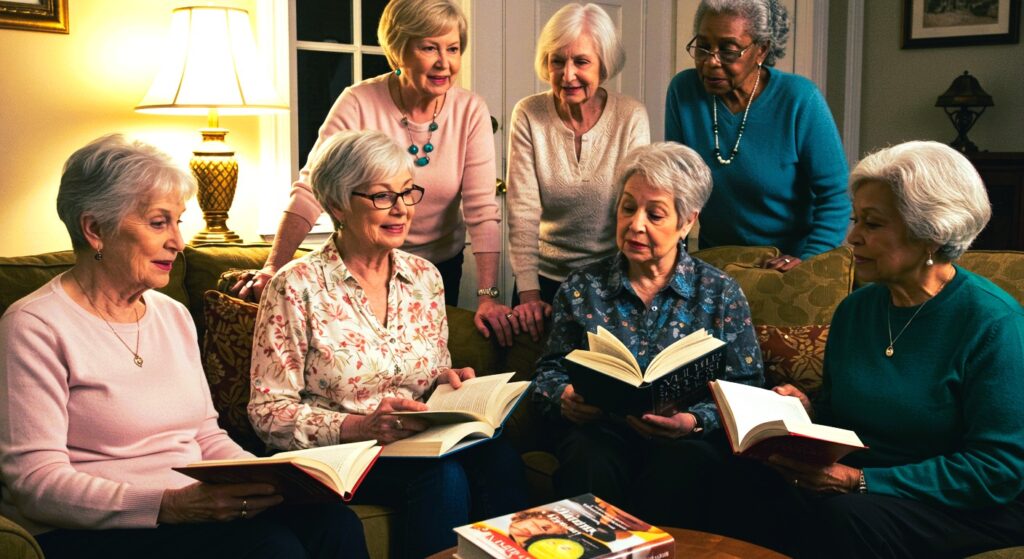
One day, you’re a vital part of a buzzing environment. The next, you are at home, perhaps alone, with no one knocking on your office door or sending you emails. One of the biggest blows to post-retirement life is the loss of regular social interaction that naturally came with work. Whether you worked in an office, a factory, or remotely, the daily engagement with coworkers provided structure and a sense of belonging. Once that disappears, it can feel like stepping into a social void.
Even more troubling is how fast this shift happens. Retirement doesn’t give you a “social ramp-down” period. There’s no gradual transition—it’s often abrupt, making it even harder to cope. Many retirees report feeling lost in the early months after leaving their jobs, not just because of boredom, but due to the silence that replaces once-busy days. What’s worse is that while you’re entering retirement, many of your younger acquaintances and former colleagues are still in their prime working years. They’re busy with careers, families, and responsibilities, which can make retirees feel like they’re no longer part of the club. The social calendars that were once full start to thin out. Invitations stop coming. Calls dwindle.
This change can feel like rejection, even when it isn’t personal. And over time, it can lead to social withdrawal, where you stop reaching out because you assume others are too busy or uninterested. That spiral is one of the first traps many retirees unknowingly fall into.
Our jobs often define us. They give us titles, purpose, and a reason to get up in the morning. “I’m a teacher,” “I’m an engineer,” “I’m a nurse.” These aren’t just professions; they are our identities. Retirement strips that away in one fell swoop. And when that label is gone, many people are left asking: “Who am I now?” This identity crisis can deeply affect a retiree’s confidence in social settings. Think about it. If you’re used to introducing yourself with your job title, how do you describe yourself now? Just saying “retired” can feel empty or awkward. It’s not just the loss of a paycheck—it’s the loss of perceived value in society’s eyes.
Social interactions often revolve around “What do you do?” and when that question becomes hard to answer, it makes socializing more Anxiety-inducing. You might feel you have nothing interesting to contribute anymore, or that you’re not as important or relevant as you once were. The result? Many retirees retreat into their shells. They stop attending gatherings, avoid conversations, or feel like they’re always on the outside looking in. That shrinking self-worth has a powerful effect—it acts like a social repellant, even if the people around you are welcoming. Rebuilding your identity in retirement is crucial for overcoming this hurdle. You need to redefine your purpose, not by your past job, but by your passions, your experiences, and your ability to give back. But doing that takes time, and until then, many retirees find themselves socially stuck.
After retirement, your environment changes drastically, and so do your chances of meeting new people. When you’re no longer in a daily setting like an office, school, or workplace, you lose the organic opportunities to strike up new friendships. You’re not casually bumping into new faces anymore.
The structure of work-life unintentionally provides us with exposure to people. Even if you’re not best friends with your colleagues, being around others creates small windows for connection. Without those, it’s surprisingly easy to fall into a routine that lacks variety—and people. Add to this the fact that many retirees choose to downsize or relocate after retirement. Moving to a new place might seem like a fresh start, but it can also mean leaving behind your old social circle. New neighbors may be friendly, but building trust and camaraderie from scratch is no small feat.
Furthermore, public spaces where people commonly socialize—like cafes, libraries, or community centers—might feel uninviting or intimidating if you haven’t used them before. And if you’re naturally introverted or shy, this lack of structured social settings can feel like an insurmountable wall. Let’s not forget that retirement often comes with a slower pace of life. While that’s a good thing for relaxation, it also reduces the hustle and bustle that leads to chance encounters. Everything becomes more intentional—you must try to go out, to meet, to engage. And that’s a tough adjustment for many.
Social media, in many ways, gives the illusion of connection. You scroll through photos, read updates, leave a comment or two, and feel like you’ve “kept in touch.” But the reality? It’s often a poor substitute for genuine interaction. Especially for retirees, this illusion can be dangerous. You might be surrounded by updates from your children, former coworkers, and friends—but none of them are actually engaging in direct communication with you. It’s like being in a room full of people talking to each other, while you are watching from a glass window.
And worse, social media can amplify feelings of loneliness. Everyone looks happy online—vacations, Family gatherings, achievements. It’s easy to compare your own quieter, lonelier life to those curated snapshots and feel inadequate. “Why isn’t anyone visiting me?” “Why didn’t they invite me?” “Am I being forgotten?” That comparison spiral leads to resentment, sadness, and eventually, complete withdrawal from platforms. Some retirees even delete their accounts—not because they don’t want connection, but because the superficial kind feels too painful.
The trick is in using social media intentionally. Instead of scrolling, use it to initiate. Message an old friend. Join a local Facebook group. Post about your thoughts, hobbies, or memories. Use the platform to start a conversation, not replace it. The illusion of connection can be broken—but it takes a conscious choice to move beyond likes and shares to real dialogue and interaction.
Making new friends after 60, 70, or even 80? For many, the idea sounds exhausting—or even downright terrifying. There’s a certain awkwardness to starting over socially when you’re used to deep-rooted relationships built over decades. It’s not just about meeting new people; it’s about forming bonds from scratch. You must introduce yourself, share your story, listen to theirs, and slowly build trust. That takes time and energy—two things that feel in short supply in later life. There’s also the fear of not being accepted. You might think, “Everyone already has their friends. Why would they want me in their circle?” That kind of thinking shuts the door before you even knock.
What if starting over isn’t a burden, but a blessing? After retirement, you’re no longer tied to workplace politics, social expectations, or competitive dynamics. You have the freedom to choose relationships that are authentic and meaningful. You can seek out people who share your passions—Gardening, painting, Travel, Volunteering, or even storytelling. Plus, you’re bringing a lifetime of experience to the table. You have stories, Wisdom, humor, and depth. That’s a treasure chest, not baggage. Yes, starting over is intimidating. But it’s also a chance to rediscover parts of yourself that got buried in the busyness of life. Take a class. Attend a local talk. Say yes to that coffee invite. These little actions are steppingstones to a new chapter in your social life.
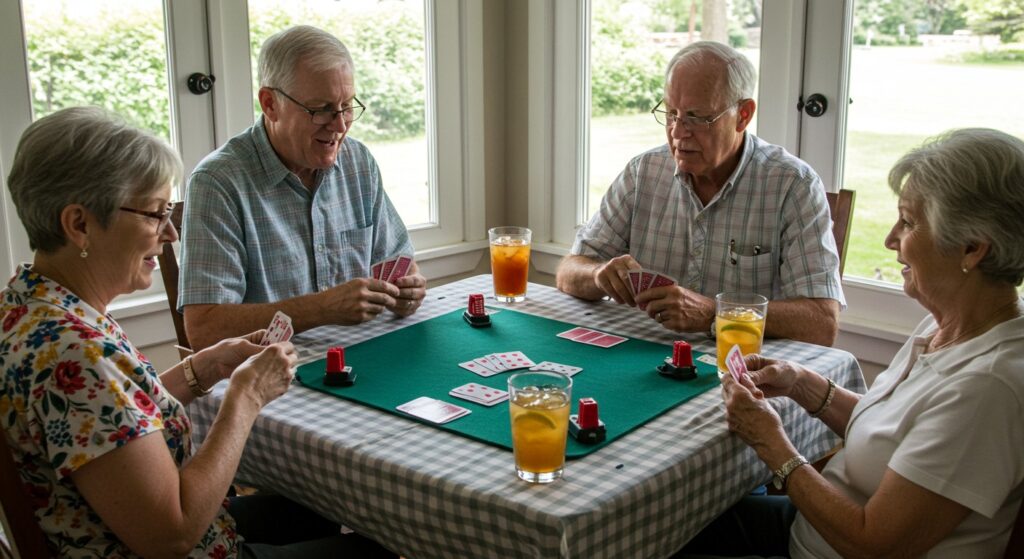
Socializing after retirement isn’t as easy—or automatic—as many people expect. While retirement is often portrayed as a golden era of leisure and relaxation, the truth is that it can be a lonely, confusing, and isolating chapter if you’re not intentional about staying connected.
From the sudden disappearance of daily work interactions to the physical, emotional, and financial barriers that make socializing harder, the post-retirement world requires a whole new mindset for maintaining human connection. The fear of rejection, the burden of starting over, health challenges, and even cultural expectations all play a role in why so many retirees find themselves quietly slipping into solitude. But here’s the empowering part: loneliness is not an inevitable part of Aging.
You can take back control. You can redefine what your social life looks like. Whether it’s rekindling old friendships, discovering new hobbies, or stepping into the digital world, there are countless ways to reconnect and rebuild meaningful relationships. It might take effort. It might feel uncomfortable at first. But the payoff—emotional joy, mental sharpness, physical health, and a deep sense of belonging—is priceless. So don’t wait. Reach out. Sign up. Say hello. Laugh out loud. Be awkward. Be brave. But above all—be connected. Because retirement shouldn’t be the end of your social life. It should be the beginning of a more intentional, authentic, and joyful one.