
Think about the simple joy of walking to the mailbox or getting up to make a cup of coffee. For many older adults, these everyday actions become huge milestones. Mobility affects nearly every aspect of life—from personal care and grocery shopping to socializing and hobbies. Without it, even the most basic tasks become challenges. Poor mobility can increase the risk of falls, lead to prolonged hospital stays, and result in a loss of independence. But it doesn’t stop there. When movement is limited, seniors often withdraw socially, which can trigger Mental Health issues like Depression and Anxiety. In essence, mobility equals freedom. Maintaining it isn’t just a personal issue; it’s a public Health one. It’s about helping seniors live longer, healthier, and more fulfilling lives. More mobility equals more dignity. It’s as simple and as powerful as that.
Aging isn’t always kind to the body. Bones lose density, joints wear down, and muscles weaken. These changes can sneak up slowly or hit suddenly after an injury or illness. Chronic Conditions like Arthritis, osteoporosis, and Parkinson’s disease are especially tough on mobility. Flexibility tends to decline, balance becomes trickier, and reaction times slow. All of this makes movement more difficult and sometimes even dangerous. It’s not just about strength; coordination, and endurance; even maintaining good vision plays a huge roles in staying mobile.
But aging doesn’t mean surrendering to immobility. By understanding how the body changes, we can better plan to combat those shifts. With the right care, exercises, and support systems, older adults can hold on to their independence far longer than most people think possible.
One day you’re doing stairs with ease; the next, it’s a struggle. That’s how subtle mobility decline can be. The earlier you spot it, the better your chances of preventing serious issues. Watch for:
These signs often appear before more dramatic declines. Too often, older adults dismiss mobility issues as “just getting old.” But difficulty moving isn’t something to accept without a fight. If daily tasks like dressing, cooking, or cleaning become hard, it’s time to act. If you notice them in yourself or a loved one, don’t wait. Start conversations early and consider seeing a physical therapist or geriatric specialist. Whether it’s Therapy, medication adjustments, or assistive devices, there are many ways to improve movement and safety.
Exercise is like oil for the aging body—it keeps the joints moving and the muscles strong. And no, you don’t need to run marathons. Walking, swimming, light strength training, or even chair Yoga can work wonders. Activities like tai chi are great for improving balance and reducing fall risks. Meanwhile, regular stretching can keep muscles long and limber. The key? Consistency. Even 30 minutes a day of movement can make a huge difference.
Mobility doesn’t rely on movement alone because what you eat matters too. Calcium and vitamin D support strong bones. Protein helps preserve muscle mass. And foods rich in antioxidants fight inflammation that can worsen joint pain.
Hydration is also crucial. Dehydration can lead to dizziness, fatigue, and confusion—all major risk factors for falls. Yet many seniors drink less water to avoid frequent bathroom trips. Not smart. Encourage regular sips of water, herbal tea, or diluted juice to keep the body functioning well. Combine the right Diet with movement, and you’ve got a powerful recipe for preserving mobility.
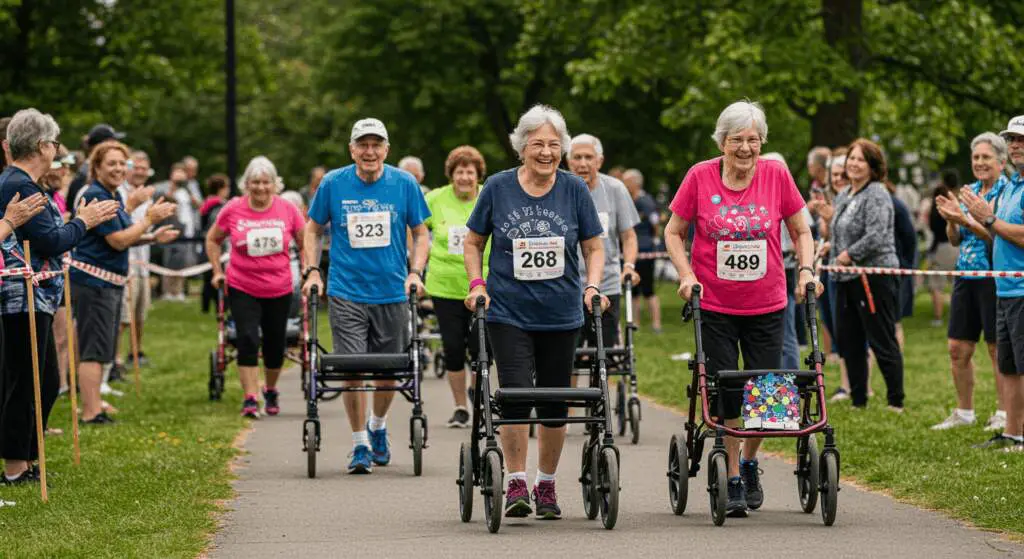
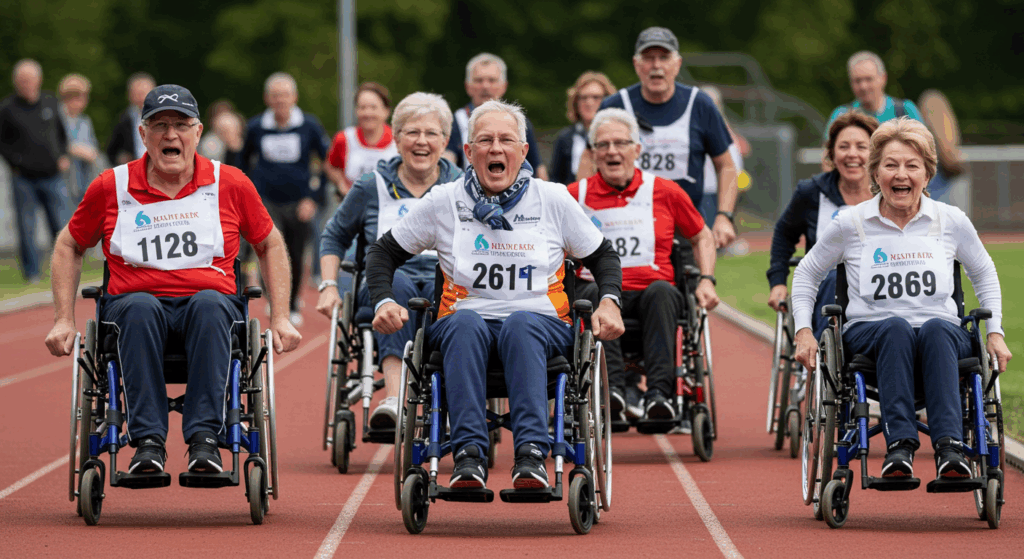
Mobility aids are not a weakness, they’re a lifeline. Canes, walkers, and wheelchairs give seniors the freedom to keep moving safely. And they come in all types: four-pronged canes for stability, rollator walkers with built-in seats, lightweight wheelchairs for easy Travel. To effectively use walkers, canes, and wheelchairs, understand the proper technique for each. Canes should be held in the opposite hand of the affected leg and moved forward along with that leg. Walkers require staying within the frame and stepping with the affected leg first, followed by the strong leg. Wheelchairs need brakes locked before sitting or standing, and proper positioning to avoid pressure ulcers, which are also known as bedsores.
Technology is making life easier, especially for seniors looking to maintain independence. Modern mobility aids go beyond the basic walker or cane. Think about smart canes that alert caregivers if the user falls, or GPS-enabled wheelchairs that can be tracked remotely. These innovations provide peace of mind for both users and families.
There are robotic exoskeletons in development that help individuals with weakened muscles walk again. Although still in the early stages for home use, they’re a glimpse into the future where a wearable mechanical suit is designed to enhance our physical abilities or provide assistance with movement. For now, more accessible high-tech tools like motorized scooters with safety sensors and mobile apps that monitor step counts are already improving lives.
Smart technology isn’t just for the young anymore, it’s changing the way older adults live, especially when it comes to mobility and safety. Wearable devices like smartwatches and pendants can monitor heart rate, track steps, and detect falls in real-time. Some even come with built-in GPS so caregivers can locate loved ones instantly in case of an emergency. Emergency alert systems take safety a step further. These wearable gadgets allow seniors to call for help with the push of a button, whether they’ve had a fall, feel dizzy, or simply need assistance. The reassurance that help is always just a button away makes seniors more confident in staying active and independent.
Also, voice-activated devices like Alexa or Google Home can control lights, open doors, or even call for help—all without needing to move across a room. These small upgrades can prevent unnecessary strain and dangerous situations. The best part? They make seniors feel empowered, not dependent.
Installing Grab Bars and Ramps
Making a senior-friendly home doesn’t require a total renovation. Sometimes, a few smart tweaks can dramatically improve safety and mobility. Grab bars in the bathroom, for instance, reduce the risk of slips and falls during bathing, one of the most dangerous areas for seniors.
Entryways should be assessed too. Replacing stairs with ramps or adding railings can make a huge difference. These adjustments not only prevent accidents but also build confidence in the person’s ability to move around their own home independently. Consider doorway wideners for wheelchair access or threshold ramps to ease transitions between rooms. Even small things like non-slip mats, lever door handles, and brighter lighting can have a major impact. Creating a safer space isn’t just about physical safety, it’s about peace of mind.
Adapting Bathrooms and Staircases
Bathrooms are a notorious danger zone for older adults. Wet surfaces, limited space, and awkward movement make them prime spots for falls. Installing walk-in tubs or zero-entry showers, along with raised toilet seats and adjustable shower heads, can make hygiene routines much easier and safer.
Staircases are another red flag. If the senior is still mobile but struggles with stairs, consider installing stairlifts or home elevators. For those with some stability, stair treads and handrails on both sides can make each step more secure. These modifications don’t just prevent accidents, they remove daily Stress and make it possible for older adults to stay in their own homes longer.
Mobility is more than just moving from one place to another—it’s about freedom, confidence, and quality of life. For the older generation, staying mobile means staying connected to the world. While aging presents challenges, they’re not insurmountable. Through physical activity, smart technologies, supportive environments, and inclusive design, seniors can continue to live vibrant, independent lives. Whether you’re an older adult, a caregiver, or a concerned Family member, the path to better mobility starts with awareness and action. Every step counts—literally and figuratively. Let’s make those steps safe, supported, and full of purpose.