
How many times have you caught yourself speaking a little too slowly or loudly when talking to an older adult, or using words like “sweetie,” “honey,” or “dear” without thinking twice? That, right there, is often what’s referred to as Elderly speak. It’s a form of communication that—while often well-intentioned, can be subtly patronizing, dismissive, and rooted in outdated ideas about Aging.
Elderly speak, sometimes called elderspeak or patronizing talk, involves simplifying language, using exaggerated tones, or speaking in a condescending manner when addressing older adults. While people might not mean any harm, this kind of language can be incredibly damaging. It reflects deep-seated ageist attitudes and often assumes that aging automatically means cognitive decline or helplessness. So why does it matter? Because how we talk to older adults, shapes how they see themselves—and how society treats them.
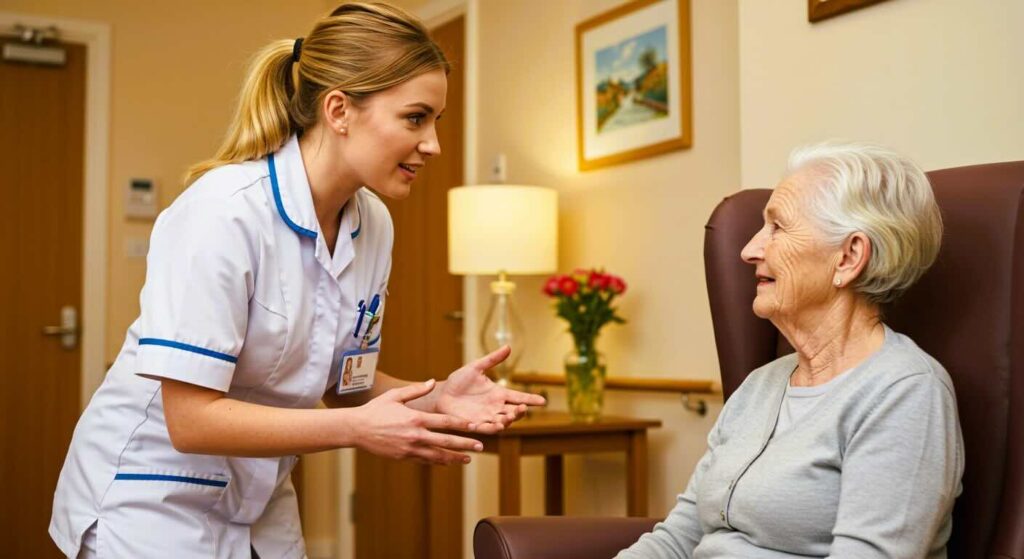
Elderly speak isn’t just a linguistic issue; it’s a societal one. It began to be recognized in the 1980s when researchers noticed that caregivers, particularly in healthcare settings, often shifted their tone and word choice when addressing seniors. They would slow down, raise their pitch, and use simpler words—as if speaking to a child. This shift was often unconscious but rooted in stereotypes that older adults are fragile, confused, or incapable. At its core, elderly speak is a blend of infantilizing language and over-accommodation. Think of phrases like “Aww, did we forget our pills today?” or “Let’s get you to your little bed.” These phrases might sound “cute” or nurturing, but they actually strip away the dignity and agency of the individual being spoken to.
The origins can be traced back to societal views on aging that associate getting older with decline, dependence, and disengagement. We’ve been conditioned to believe that once someone turns 65, they somehow become less capable. These assumptions seep into our language, and before we know it, we’re speaking down to people who’ve lived longer and experienced more than we have.
Elderly speak isn’t always easy to spot—especially because it often masquerades as kindness or helpfulness. Here are some red flags:
These linguistic patterns might seem harmless, but they carry a strong undercurrent of control and infantilization. It’s the tone you’d use with a toddler, not with a person who might have decades of experience and insight.
Most people who use elderly speak aren’t doing it out of malice—they often don’t even realize they’re doing it. It’s something society has subtly reinforced through movies, media, and even Caregiving practices. The idea is: older people need to be protected, helped, and spoken to with “extra care.” But the line between “care” and “condescension” can be razor thin. Part of the issue is the unconscious bias many people carry. We’re taught to associate aging with decline, so when we encounter an older adult, especially one with visible Health issues, our instinct is to adjust our communication. Add to that a lack of proper training in how to engage respectfully, and elderly speak becomes the default.
What’s even more interesting is that people are more likely to use elderly speak when they’re feeling stressed or hurried—like in hospitals or Nursing homes. It’s almost like a script kicks in, and people fall into that tone without even realizing it. Breaking this requires awareness, Education, and empathy.
Ageism—the stereotyping or discrimination against individuals based on their age—is at the heart of elderly speak. While it can be overt in some forms, such as denying someone a job because they’re “too old,” it’s often much more subtle and baked into everyday behaviors, especially how we communicate.
Implicit bias refers to the subconscious attitudes or stereotypes that affect our understanding, actions, and decisions. Many people hold internalized views that aging means decline, weakness, or mental fog. These assumptions feed directly into how people speak to older adults—automatically simplifying their language, using sing-song tones, or offering unnecessary help.
The scary part? These biases are usually unconscious. Someone might think they’re being extra helpful or sweet, not realizing that their tone and word choice come off as patronizing. It’s the same well-meaning mindset that leads someone to speak loudly and slowly to a perfectly healthy 70-year-old, assuming they can’t hear or understand. What’s needed is reprogramming of these biases. People must confront their internalized beliefs about aging. Education, self-awareness, and exposure to older adults living full, empowered lives can help dispel those outdated assumptions.
Language is powerful. The way we talk to someone can either empower them or make them feel invisible. Elderly speak leans heavily into the latter—it subtly chips away at a person’s sense of independence and capability. When someone constantly hears “Let me do that for you” or “Don’t worry your pretty little head about it,” they start to internalize the message: You can’t handle it yourself.
Autonomy is crucial for mental and emotional well-being at any age, but it’s especially important for older adults who may already be dealing with physical or cognitive changes. Losing control over how they are addressed and treated adds another layer of disempowerment. It’s like saying, “We know better than you what you need.” Over time, this can lead to a decline in self-esteem and even contribute to learned helplessness, a condition where people stop trying to do things for themselves because they believe they can’t. And guess what? That belief often stems from the way others treat them. What’s the alternative? Offer support without assumption. Ask instead of assuming. Empower rather than enable. Language should reflect partnership, not pity.
Elderly speak reinforces the idea that older adults are less intelligent, less capable, and less relevant. Every time someone uses baby-talk or simplified language, it validates the harmful stereotype that aging equals regression. These stereotypes have real-world consequences. They influence hiring decisions, healthcare outcomes, and even how policies are written. When society sees older adults as “less than,” it becomes easier to marginalize them.
What’s worse is that stereotypes can become self-fulfilling. If older adults are constantly treated as if they’re forgetful or fragile, they might start behaving that way—not because they are, but because that’s what’s expected of them. This phenomenon, known as stereotype threat, can significantly impact memory performance, confidence, and overall health. Fighting stereotypes means refusing to use language that supports them. It also means calling out elderly speak when we hear it and replacing it with affirming, respectful language that acknowledges the full humanity of the person in front of us.
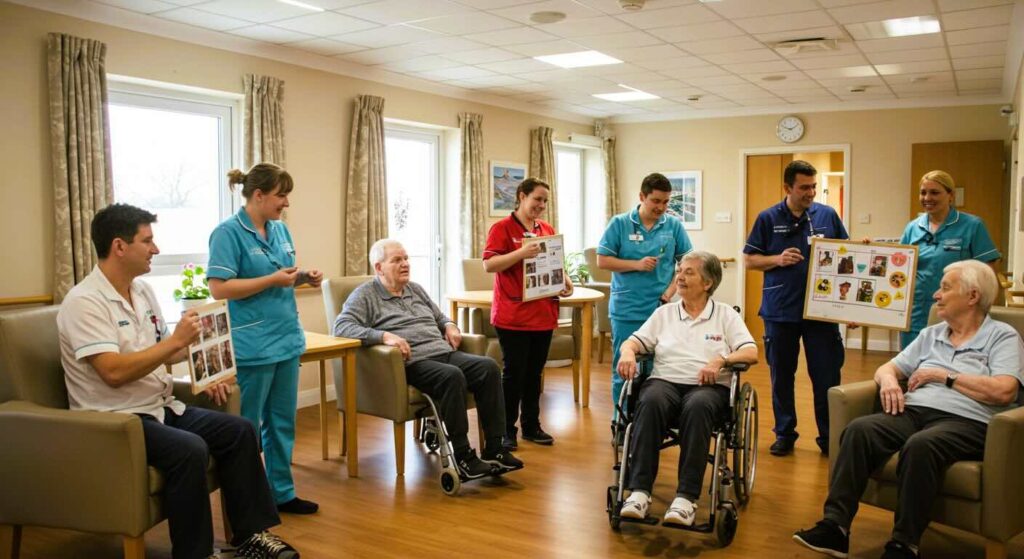
Now that we know how speaking down to our elders impacts them, what should we do? There are several principles for respectful communication. One is to speak like an equal using normal adult vocabulary and tone, because older adults typically retain strong language comprehension. Another is avoid derogatory terms like “honey”. A third is to not overcompensate in your speech by speaking clearly and not slowing down or raising your voice. A fourth and possibly the most important is engage directly by talking to the person, not about them in their presence. And lastly, honor their independence by letting them express themselves fully by not jumping in to finish sentences or make decisions for them.
Elderly speak may seem like a minor issue on the surface, but it’s a symptom of something much deeper: how we view aging, and how we value those who’ve lived longer than we have. When we default to condescending tones or infantilizing language, we strip away the dignity, autonomy, and humanity of older adults—even if we don’t mean to.