Chronic inflammation has long been recognized as a silent driver of many serious health conditions, including Heart Disease, Diabetes, Alzheimer’s, Depression, autoimmune disorders, and even certain cancers. Unlike acute inflammation, which is a short-term response to injury or infection, chronic inflammation is a long-lasting, low-level immune response that damages healthy cells and tissues over time. It is now widely considered a central feature of Aging and chronic disease.
But researchers are uncovering a surprising ally in the fight against this persistent inflammation: the vagus nerve. Once primarily associated with regulating heart rate and digestion, it is now being recognized as a powerful modulator of inflammation, with promising therapeutic implications.
The longest cranial nerve in the body, the vagus nerve stretches from the brainstem to various organs throughout the chest and abdomen. As part of the parasympathetic nervous system—the system responsible for “rest and digest” responses—it plays a key role in regulating internal organ functions such as heart rate, digestion, and respiratory rate.
But its influence doesn’t stop there. Over the last two decades, scientists have discovered a pathway known as the “inflammatory reflex”—a mechanism through which the vagus nerve detects inflammation and signals the body to regulate its immune response. In other words, it acts like a brake to stop dangerous inflammation from accelerating.
“You might think of conditions like depression, heart disease, obesity, Alzheimer’s, Arthritis and diabetes as vastly different conditions with very distinct treatments,” said Dr. Kevin Tracey, a pioneering researcher in this field and president of the Feinstein Institutes for Medical Research. “But they all have one thing in common: inflammation. And the older you get, the more pronounced it is.”
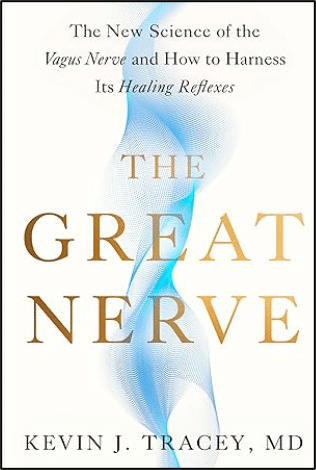
Decades ago, Tracey, whose book The Great Nerve drops on May 13, 2025, discovered the potential of stimulating the vagus nerve to treat autoimmune diseases like rheumatoid arthritis and lupus. “After an unexpected experiment in my research lab many years ago, I became fascinated by the intricate power of the vagus nerve, a hidden pathway with the potential to revolutionize how we treat disease,” he said.
Research has shown that chronic inflammation contributes to the development and progression of a myriad of conditions, including:
Addressing chronic inflammation could be key to preventing or slowing these diseases—and the vagus nerve might be a game-changing tool for doing just that. A 2021 study in Frontiers in Neuroscience emphasized that vagal tone—a measure of vagus nerve activity—is inversely related to inflammation. In other words, the stronger your vagus nerve response, the lower your levels of systemic inflammation.
[Read: The silent threat: chronic inflammation and its impact on health and lifespan]
A simple blood test could indicate if you have dangerous levels of inflammation in your body. “You could get a blood test that would look at different inflammatory markers in your bloodstream, things like cytokines, high levels of IL-6, and C-reactive protein, for instance. If you have an elevated white blood cell count or abnormal distribution of the percentage of different white blood cells, that can be a marker,” Tracey told KCM in an interview.
Researchers are exploring vagus nerve stimulation (VNS) as a way to reduce inflammation and improve outcomes in patients with chronic diseases. Traditionally used to treat epilepsy and depression, implanted VNS devices send mild electrical impulses to the vagus nerve.
A groundbreaking 2016 study published in PNAS found that electrical stimulationof the vagus nerve significantly reduced symptoms in patients with rheumatoid arthritis who were not responding to medication. The Therapy lowered levels of inflammatory markers such as something known as the tumor necrosis factor or TNF, a chemical produced by the immune system that induces inflammation. It also improved joint swelling and pain.
More recently, non-invasive vagus nerve stimulation devices, which use electrodes placed on the skin or in the ear, are being studied as easier and less risky alternatives to surgical implants. These devices are under investigation for a variety of conditions, including migraine and cluster headaches, irritable bowel syndrome, post-traumatic Stress disorder, depression, long Covid and chronic fatigue syndrome.
Even without high-tech devices, it’s possible to support vagus nerve activity and reduce inflammation naturally. Per the Cleveland Clinic, these simple Lifestyle practices can help to stimulate the vagus nerve.
Deep, slow breathing – Especially diaphragmatic breathing at a slow pace (e.g., 6 breaths per minute).
Cold water immersion – Brief cold showers or even just plunging your face in a bowl of cold water can activate the vagus nerve.
Meditation, massage and mindfulness – These practices are linked to increased vagal tone and reduced inflammatory markers.
Singing, chanting, and humming – These vocal activities stimulate the vagus nerve through the vocal cords.
Yoga and tai chi – These gentle movement practices help calm the nervous system and enhance vagal activity.
Probiotics – Emerging evidence suggests that gut microbiota can interact with the vagus nerve, forming part of the gut-brain axis.
The intersection of neuroscience and immunology is ushering in a new era of bioelectronic medicine, with the vagus nerve at its center. As research progresses, we may soon see targeted therapies that offer an alternative to chronic drug use—therapies that harness the body’s own nervous system to control inflammation and disease.
Meditation and mindfulness may be as effective as medication for certain conditions
It’s a buzzy wellness trend right now, but can cold therapy also boost our lifespan?
Top foods to help ease joint pain – and give your overall health a boost while you’re at it
Mice live 25% longer when this inflammatory protein is blocked: Could it work for humans?
SuperAging News may earn a small commission on books purchased through our links, at no extra cost to you.
Content on this site is for informational purposes only and is not a substitute for professional medical advice. Always check with your qualified healthcare providers with any questions or concerns regarding a medical condition.