
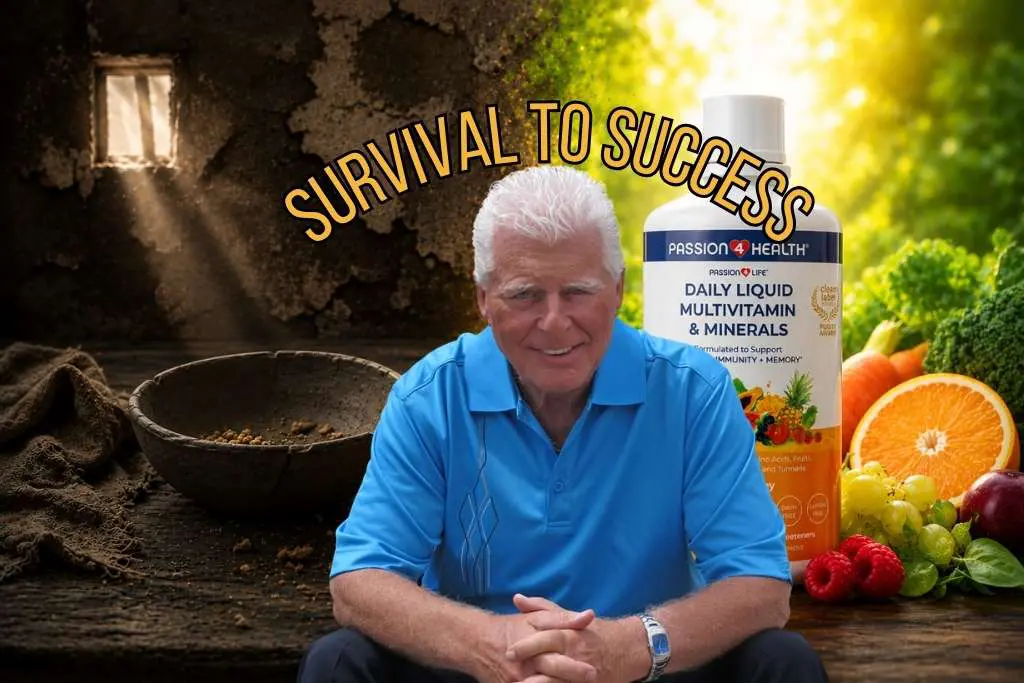
What does it take to move from mere survival to building a life of significance? For many people, the challenges they face seem overwhelming—a Health crisis, financial setback, career transition, loss of a loved one, or circumstances completely beyond their control. Yet history reminds us that some of the most inspiring lives are forged through unimaginable adversity.
In a recent interview on The Power of After Show, Charles Van Kessler shared a remarkable story of resilience. Born in Amsterdam during World War II, he survived the Holocaust, lost his entire Family as a toddler, endured years of abuse in an orphanage, lived on the streets as a child, and eventually found his way to America. What could have become a story of defeat instead became a story of purpose.
His journey offers powerful lessons for anyone asking, “What’s next?” Whether you’re building a business, navigating a career transition, improving your health, or seeking greater purpose, the principles that moved Charles from survival to success apply to all of us.
Many people think courage means being fearless. History teaches otherwise. The Holocaust remains one of the darkest chapters in human history. Millions of innocent lives were lost, families were separated, children were left without parents and entire communities disappeared. Charles experienced this firsthand.
At just two years old, Nazi soldiers entered his family’s home and took away everyone he loved. He never saw them again. His survival was not guaranteed. In fact, by every measurable standard, the odds were against him. Yet courage rarely begins with confidence.
It begins with a decision.
As an eight-year-old child facing unbearable abuse in a state-run orphanage, Charles made a decision to keep going. Instead of surrendering to despair, he chose another path. He ran away and somehow survived on the streets of Amsterdam for two years before an American family helped bring him to the United States.
Most of us will never face circumstances of that magnitude. However, every one of us faces our own version of adversity. The courage required at mid-career may involve:
The lesson is the same. Bravery is not the absence of fear. It is the willingness to continue despite it. The people who ultimately succeed are often not the most talented or fortunate. They are the ones who refuse to quit when circumstances become difficult.
One of the most fascinating aspects of Charles’ story is that his business was born from personal pain. Years of malnutrition and health challenges led him to study nutrition and search for solutions that could improve his own well-being. What started as a personal quest eventually became a company. But the business itself was never the ultimate goal. The mission was.
Charles made a promise that if he survived, he would spend his life helping children facing desperate circumstances. That commitment eventually led to the creation of a nonprofit organization supporting abused, neglected, and disadvantaged children. This illustrates an important principle:
The strongest businesses are often built around a mission greater than profit. Profit matters. Businesses cannot survive without it. But mission creates endurance. When a business is connected to solving meaningful problems, serving people, or improving lives, it gains a deeper sense of purpose that fuels long-term Growth.
Many people entering the second half of life begin asking different questions than they did earlier in their careers. Instead of asking: “How much can I earn?” They begin asking: “How much impact can I make?” This shift often creates tremendous opportunity.
Your life experience, Relationships, Wisdom, failures, and successes may be preparing you for a mission you couldn’t have fully understood earlier in life. Sometimes your greatest contribution grows directly out of your greatest challenges.
One phrase Charles repeated throughout the interview was simple: “There are no shortcuts.” That principle applies far beyond nutrition. We live in a culture constantly searching for quick fixes. Quick wealth, Quick success, Quick fitness, Quick solutions.
Yet lasting health rarely works that way. Health is built through consistency. Small daily decisions compound over time.
None of these create dramatic overnight results. However, over months and years, they create extraordinary outcomes. The same principle applies professionally. Many people want the results without the process. They want the successful business without years of learning. They want financial freedom without disciplined stewardship. They want confidence without taking risks. They want growth without discomfort.
But life doesn’t usually work that way. The healthiest, strongest, and most resilient people understand the power of consistency. At halftime of life, this lesson becomes especially important. We may not control every circumstance, but we can control our daily habits. Those habits ultimately shape our future.
Purpose was a recurring theme throughout the conversation. When asked what motivates him, Charles’ answer was simple: “To help others.” Purpose has an extraordinary effect on human behavior. People with purpose tend to:
Purpose creates energy. Without purpose, work becomes drudgery, challenges feel meaningless and success feels empty. With purpose, even difficult work gains significance.
This is particularly relevant for people navigating mid-career transitions. Many professionals spend decades climbing a ladder only to discover they are no longer inspired by the destination. The solution is not necessarily abandoning everything you’ve built. Often, it’s reconnecting your skills and experience to a larger purpose.
Those questions often reveal clues to your next chapter. Purpose doesn’t always arrive as a dramatic revelation. More often, it emerges through service.
Toward the end of the interview, the conversation turned to Legacy. Legacy is a word frequently used but often misunderstood. Many people think legacy is about wealth, accomplishments, titles, or recognition. Those things may be remembered for a season. But true legacy is usually much simpler. It is the positive impact we leave in the lives of others.
Charles summarized his legacy again in three words: “Help other people.” That may sound simple, but it is remarkably powerful. Think about the people who have most influenced your life. Perhaps it was: a parent, teacher, mentor, coach, friend, pastor or a colleague. What made them memorable?
Often it was not what they owned. It was how they served. The second half of life offers a unique opportunity to think intentionally about legacy. You have accumulated experience. You have developed wisdom. You have learned lessons others need. You have relationships that matter. The question becomes: How will you invest those assets?
Legacy is not something created at the end of life. It is built every day through choices, character, generosity, and service.
The story of Charles Van Kessler is not simply a story about surviving the Holocaust, building a company, or promoting a health product. It is a story about resilience. It is a story about choosing hope over despair. It is a story about transforming personal suffering into service. Most importantly, it reminds us that our circumstances do not have to define our future.
Whether you’re facing a career transition, health challenge, personal setback, or simply asking “What’s next?” there is a path forward.
The journey from survival to success is rarely easy. But it is often where life’s most meaningful chapters are written.
Passion 4 Kids where Charles donates 5% of every purchase to help U.S. children in need. Because this mission is deeply personal, 100% of donations go to the children—no salaries, no overhead.
The Summit: Journey to Hero Mountain by Deborah Johnson: an inspiring journey to conquer self-doubt, fear, and criticism, including the protagonist’s own inner critic.
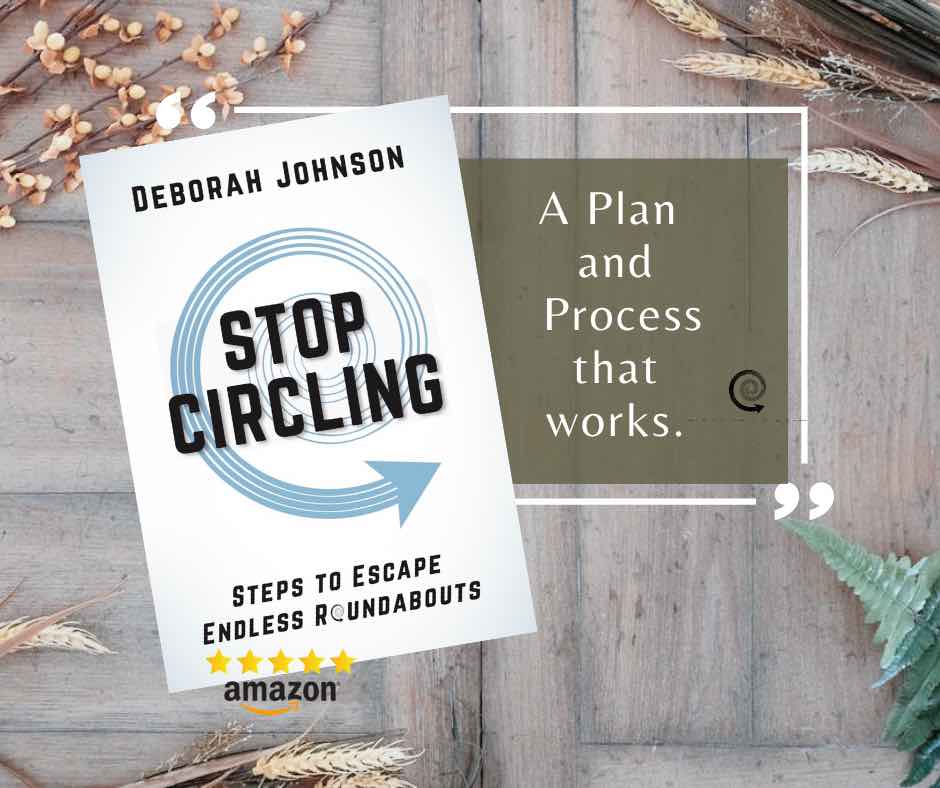
Power of After: What’s Next Can Be Your Most Purposeful Chapter by Deborah Johnson
Hero Mountain Summit:
Power of After 5-Step Framework: A 5-month entrepreneurial mentorship designed to help mid-life professionals break free from stagnation and rise toward purposeful success.
FREE Downloads: Goal Setting Worksheets ; Power of After 7 Ingredients for Success Guide
FREE Resources and links: https://GoalsForYourLife.com/DJWorks
YouTube Podcast Playlist (Subscribe!): Women at Halftime/Power of After
-charles van kessler
Born in Amsterdam during World War II, Charles Van Kessler lost his entire family before he was two years old. He spent the next eight years in a state-run orphanage where Love was nonexistent, and severe malnutrition was a daily reality.
Charles eventually escaped and survived on the streets, often eating flower bulbs just to stay alive. In those desperate years, he made a promise to God: If he ever found a way out, he would devote the rest of his life to helping children facing the same suffering he endured.
Bravery is not the absence of fear. It is the willingness to continue despite it.
Thought Leader, Keynote Speaker, Author
If you are interested in growing and learning, check out our Online Courses here: Online Learning
1,564 words
The post From Survival to Success appeared first on Deborah Johnson.
Originally Published on https://goalsforyourlife.com/