Get your Freebie


Why Your Next Rant Might Be the Secret Ingredient to Finding True Happiness
Ever feel like you’re about to explode with frustration, and all you want to do is let it all out? You’re not alone, and here’s some surprising news: that burning desire to rant might actually be your ticket to feeling happier. We’ve all been told to “think positive” and “look on the bright side,” but sometimes what we really need is a good old-fashioned venting session.
The truth is, holding everything inside can make you feel worse, not better. Your Emotions are like a pressure cooker, and if you never release the steam, things are bound to blow up in ways you didn’t plan. Let’s explore why ranting isn’t the enemy of happiness—it might just be one of your best allies.
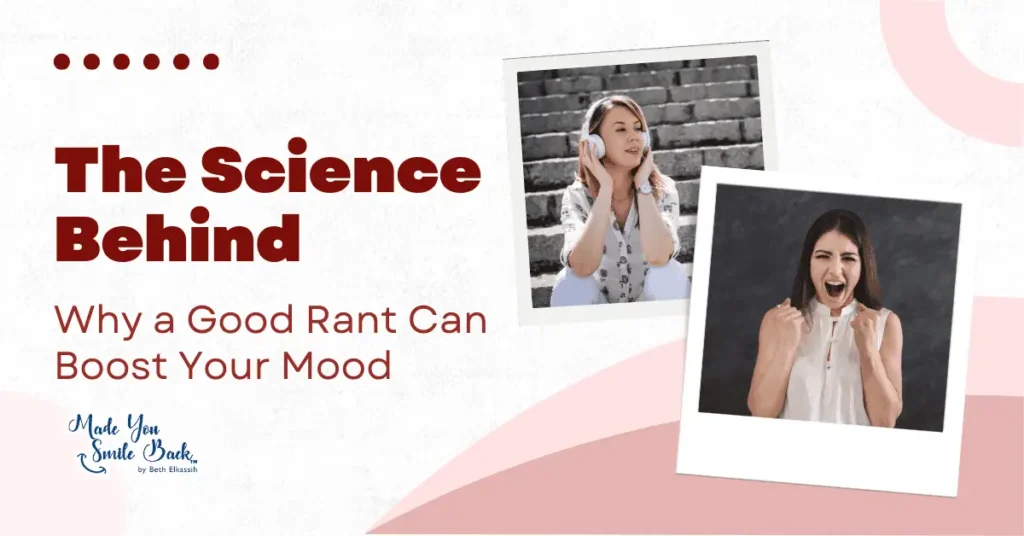
Scientists have actually studied what happens in your brain when you rant, and the results might surprise you. When you express frustration verbally, your brain releases tension and activates areas associated with emotional processing.
Research shows that people who express their negative emotions in healthy ways experience less Stress and Anxiety overall. When you rant, you’re essentially giving your mind permission to acknowledge that something isn’t right, which is the first step toward fixing it.
Your body also responds positively to emotional release through venting. Here’s what happens physically when you rant:
Think of it like a mental detox that clears out the junk so you can make room for better thoughts and feelings. Once you’ve acknowledged your frustration through a good rant, your brain is actually better equipped to think creatively about solutions.

Imagine trying to enjoy a beautiful sunset while you’re desperately trying not to think about your annoying coworker. That’s what happens when you suppress your need to rant—it creates a background noise of negativity that colors everything else in your life. You might think you’re being positive by not complaining, but you’re actually just pushing your real feelings underground where they can cause more damage.
When you refuse to acknowledge your frustrations, they don’t disappear—they multiply. Here are the three stages of how suppressed rants damage your happiness:
Your Relationships suffer when you won’t rant about what’s bothering you. People around you can sense when you’re upset, even if you’re trying to hide it, and they often feel confused or shut out. Being honest about your frustrations actually brings people closer because it shows you trust them with your real feelings.

Your mental energy gets drained when you’re constantly monitoring yourself to avoid complaining. It’s exhausting to police every word and thought, and that exhaustion leaves you with less energy for activities that genuinely make you happy. Sometimes the quickest path to joy is through a five-minute rant that clears the air.

Not all rants are created equal, and learning to rant productively can transform your emotional Health. A productive rant has a time limit, a specific focus, and ideally a trusted listener who won’t judge you. The goal isn’t to wallow in negativity forever but to acknowledge your feelings so you can move past them.
Follow these four steps to master the productive rant:
When the timer goes off, you can choose to continue if needed or shift your focus to what you want to do about the situation. This gives you control over the process instead of letting frustration control you.
Choose your rant recipient wisely because not everyone is equipped to handle your frustrations constructively. Look for someone who can listen without immediately trying to fix everything or minimize your feelings. Sometimes you just need someone to say “That sounds really frustrating” before you’re ready to problem-solve.

Make your rant specific rather than global to keep it productive and manageable. Instead of “Everything in my life is terrible,” try “I’m really frustrated about this one meeting that went badly.” This helps your brain understand that the problem is solvable rather than overwhelming.

The pressure to be positive all the time has created a culture where admitting you’re struggling feels like failure. “Good vibes only” sounds nice, but it’s actually a recipe for feeling isolated and fake. Real happiness includes the full range of human emotions, and pretending otherwise just makes you feel worse.
When people tell you to “just be grateful” or “focus on the positive” when you’re genuinely upset, it invalidates your real experience. You end up feeling bad about feeling bad, which is a double dose of negativity that’s harder to shake. Sometimes you need to rant about how terrible something is before you can find anything to be grateful for.
Common toxic positivity phrases that shut down your need to rant include:
Toxic positivity creates shame around normal human emotions like anger, frustration, and sadness. This shame drives these feelings underground where they can’t be processed, leading to more intense emotional explosions later. Allowing yourself to rant when needed actually prevents bigger emotional breakdowns down the road.
The people who seem happiest aren’t the ones who never complain—they’re the ones who can express frustration and then move on. They give themselves permission to feel upset, rant about it, and then return to a more positive state naturally. This emotional flexibility is the real key to lasting happiness, not forced cheerfulness.

Timing matters when it comes to ranting because not every moment is appropriate for a frustration download. Interrupting a team meeting to complain about your personal problems won’t make you happier—it’ll just make things more complicated. Learning when and where to rant is part of emotional intelligence.
Create designated rant times with friends or Family members who understand the value of venting. Maybe it’s a weekly phone call with your best friend or a monthly dinner where you both get to complain freely. Having these scheduled outlets means you don’t have to carry everything around until you randomly explode.
Here are the best places to rant without judgment or consequences:
Your car can be an excellent private rant space where you can let loose without worrying about who’s listening. Scream, cry, or verbally tear apart whatever’s bothering you while you’re driving alone (safely, of course). The combination of movement and privacy often makes car rants particularly cathartic.
Journaling offers another perfect opportunity for ranting without needing an audience at all. Write out every frustrated thought without editing or worrying about grammar or kindness. The physical act of writing helps process emotions, and you can even destroy the pages afterward if that feels satisfying.

Sharing your frustrations with trusted friends or family actually deepens your connections with them. When you’re willing to be vulnerable and real, it gives others permission to do the same. This mutual authenticity creates bonds that superficial small talk never could.
The friends who let you rant are showing you that they care about your wellbeing, not just your sunny disposition. They’re telling you that your relationship can handle the messy, complicated parts of being human. This kind of unconditional support is one of the greatest contributors to long-term happiness.
Ranting creates relationship benefits in these five important ways:
There’s something powerful about having someone witness your frustration without trying to talk you out of it or fix it immediately. They’re essentially saying “I see you, I hear you, and your feelings make sense,” which is incredibly validating. This type of empathetic listening builds trust faster than years of surface-level conversations about the weather or weekend plans.
When you rant to someone and they respond with their own similar experiences, you realize your struggles aren’t unique or shameful. Suddenly, that impossible situation at work or that difficult family dynamic doesn’t feel like a personal failing. It’s just part of the shared human experience that we all navigate together.
Knowing who you can rant to also teaches you important lessons about emotional boundaries and respect. You learn who in your life is safe for vulnerability and who needs to be kept at a more surface level. This Clarity helps you invest your emotional energy where it will be valued and returned.
The reciprocal nature of healthy ranting relationships means you’re there for others when they need to vent too. This give-and-take creates balance and ensures neither person feels like an emotional dumping ground. You both benefit from the support, and your friendship grows stronger through the mutual care and understanding.
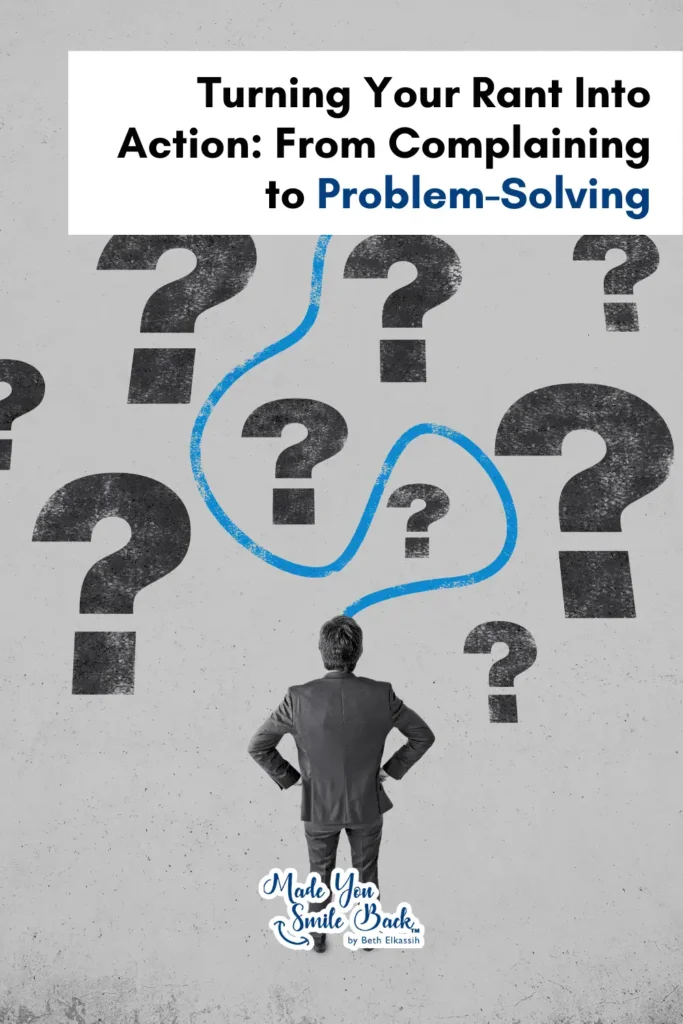
The best rants are the ones that eventually lead somewhere productive, even if that just means feeling better. After you’ve fully expressed your frustration, your mind is clearer and more capable of identifying actual solutions.
Ask yourself after a good rant: “What’s one small thing I could do about this situation?” Even deciding that you’ll set a boundary or have a difficult conversation counts as progress.
Post-rant questions that lead to positive action:
The transition from ranting to action doesn’t have to happen immediately, and sometimes it shouldn’t. However, staying stuck in rant mode for days or weeks without any movement forward can actually make you feel worse, not better.
Sometimes the action you need to take is simply accepting that a situation won’t change and adjusting your expectations. Your rant might lead you to the realization that you need to let something go, which is its own form of resolution.
Share your action plans with the people you ranted to because they’re invested in your wellbeing now. This transforms your rant from a one-way complaint into a collaborative effort to improve your life.
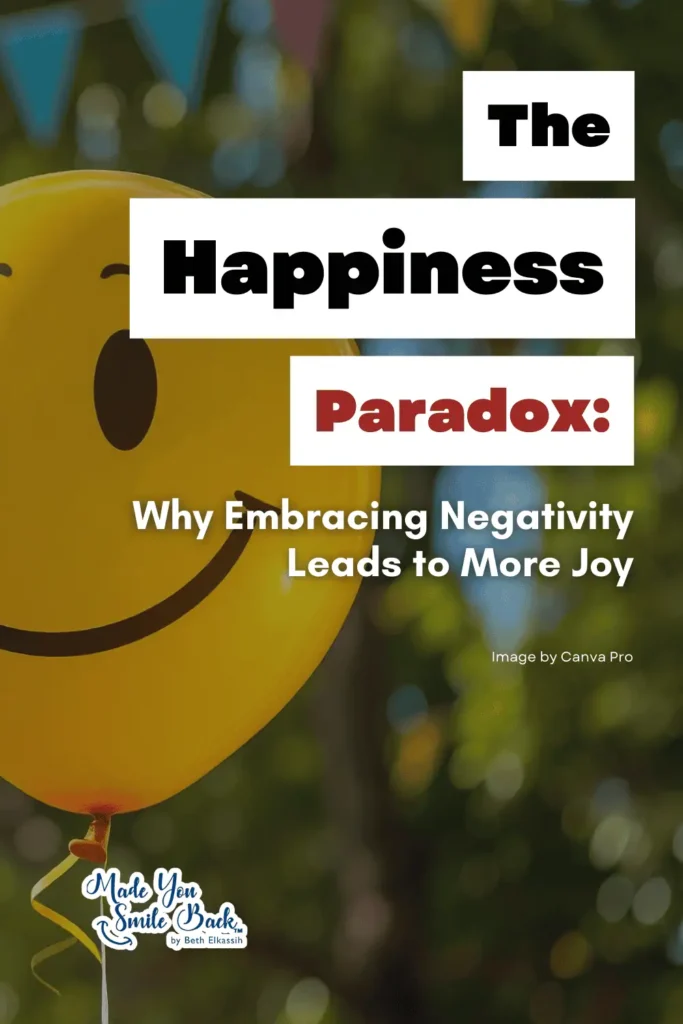
It seems contradictory, but accepting that you’ll sometimes need to rant actually makes you happier overall. When you stop fighting against your negative emotions, you free up enormous amounts of mental and emotional energy. That energy can then be redirected toward activities and relationships that genuinely bring you joy.
People who allow themselves to experience and express the full range of emotions report higher life satisfaction than those who try to be positive all the time. Authentic living, even when it includes ranting, feels better than fake smiling through your days.
The three stages of emotional authenticity that lead to greater happiness:
Your capacity for joy actually expands when you also make room for frustration, anger, and sadness. In fact, fully experiencing difficult emotions makes positive emotions feel more vivid and meaningful by contrast.
The contrast between emotions is what makes happiness feel so good in the first place. Allowing yourself to rant honors the full spectrum of human experience that makes life rich and meaningful.
The relief you feel after a good rant can itself be a source of happiness because you’ve lightened your emotional load. Sometimes happiness is on the other side of a really good complaint session.
Learning to rant productively might be one of the most underrated happiness skills you can develop. Instead of viewing complaints and frustrations as obstacles to joy, recognize them as necessary parts of the human experience that deserve expression.
When you give yourself permission to rant in healthy ways, you’re actually giving yourself permission to be fully human.
The path to happiness isn’t about eliminating negative emotions or pretending everything is fine when it’s not. It’s about developing the emotional intelligence to know when you need to rant, who to rant with, and how to move forward afterward.
This balanced approach to emotions creates a more sustainable and authentic form of happiness than forced positivity ever could.
So the next time you feel that familiar pressure building up inside, don’t fight it—find a safe space and let it out. Your future happier self will thank you for it.
Remember that taking care of your emotional health sometimes means complaining loudly, and that’s not just okay—it’s essential for your overall well-being and happiness.
Your action steps for building a healthy rant practice:
Start building your rant practice today by identifying trusted people in your life who can handle your frustrations with care. Create regular opportunities for venting, whether through conversations, journaling, or solo car sessions. The more comfortable you become with expressing your full range of emotions, including the frustrated and angry ones, the more genuine happiness you’ll experience in your daily life.
The post Why Your Next Rant Might Be the Secret Ingredient to Finding True Happiness appeared first on Made You Smile Back.
Originally Published on https://madeyousmileback.com/