

The Silent Generation refers to people born roughly between 1928 and 1945, nestled between the hardships of the Great Depression and the end of World War II. Unlike the loud and proud Boomers who followed, this generation earned the nickname “Silent” not because they lacked opinions, but because they were raised to value discretion, humility, and quiet strength.
Growing up in an era of war, economic hardship, and rigid societal expectations, they learned early on to keep their heads down and work hard. Their voices weren’t amplified on social media or broadcasted over megaphones—but make no mistake, their influence runs deep. Many became the backbone of post-war progress, quietly pushing for change, building stable families, and living with a sense of duty that’s rare in today’s fast-paced world.
Despite being labeled as “silent,” they laid the groundwork for everything from the civil rights movement to economic booms. We’ve learned that not all change needs to be loud—sometimes, real power is found in patience, resilience, and steadfastness.
To truly understand the Silent Generation, we must look at the world they were born into. The Great Depression shattered economies worldwide, leaving families in survival mode. Basic needs weren’t always met, and the fear of poverty shaped the Silent Generation’s cautious and frugal habits. Then came World War II—a defining event that shaped their adolescence. Whether they served on the battlefield or kept things running at home, the war demanded sacrifice from everyone.
After the war, the Cold War era emerged, casting a long shadow of Anxiety and nuclear threat. At the same time, the post-war economic boom began to take shape. The Silent Generation matured during this period of mixed fear and opportunity, learning to navigate life with measured optimism and a deep appreciation for stability.
We learned from their story that history molds character. Their generation was formed by global crises, yet they responded not with despair, but with commitment, order, and resolve. It’s a lesson in how adversity doesn’t have to break us—it can build our core values.

One of the most prominent traits we’ve learned from the Silent Generation is their almost sacred commitment to hard work. This wasn’t just about holding a job, it was about embodying responsibility. Many started working young, helping on farms or in Family businesses. They took jobs not for passion, but to provide stability for their families. To the Silent Generation, duty wasn’t optional. It was an expectation and a way of life. They weren’t chasing Instagram fame; they were building the infrastructure of society. We’re talking about the engineers, the nurses, the schoolteachers, and the factory workers. They took pride in doing their job well, regardless of whether anyone noticed.
Loyalty was practically a badge of honor for the Silent Generation. Whether it was to their employer, their church, their country, or their spouse, they stuck it out. Divorce was rare. Changing jobs often was frowned upon. They believed in riding out the storm, in trusting the system to reward their loyalty. There is a valuable lesson here about commitment. We live in a world now where jumping ship is common, whether it’s in Relationships or careers. The Silent Generation teaches us the power of sticking with something, of showing up every day even when it’s not easy or exciting. Their family-first mindset also stood out. They worked not just for themselves, but for the betterment of their children and grandchildren. That generational selflessness is something we’d do well to remember in an age often focused on the self.
Having come of age during the Depression and early post-war recovery, the Silent Generation learned how to stretch every dollar. Waste was not an option. They reused, repurposed, and saved for the future. Credit cards weren’t a thing yet, and if they couldn’t afford something, they waited. We’ve learned that living within your means isn’t a sacrifice, it’s a strength. Their minimalist habits and financial caution allowed many of them to retire comfortably and weather economic downturns without panic. That’s a form of financial Wisdom we often overlook in today’s buy-now-pay-later culture.
Perhaps the most enduring lesson from the Silent Generation is their quiet strength. They didn’t broadcast their struggles or seek sympathy. Instead, they bore hardship with a kind of stoic grace. Whether it was war, economic hardship, or personal loss, they kept going. This isn’t about bottling up Emotions, it’s about resilience. We can learn from their calm in the face of crisis, their ability to prioritize what’s truly important, and their remarkable sense of endurance. In a world that often glorifies speed, drama, and spectacle, the Silent Generation teaches us the beauty of quiet determination.
Another gem from the Silent Generation? Their unwavering belief in community. These were the folks who organized potlucks, built neighborhood watch groups, and volunteered without needing recognition. Giving back wasn’t a trend or a social media post—it was just what you did. From them, we’ve learned the value of showing up. That true service is done quietly, consistently, and with heart. Today, when so much connection feels digital and shallow, the Silent Generation reminds us to knock on doors, share meals, and build real relationships.
Though often labeled as “quiet,” the Silent Generation made some of the loudest contributions to culture. Think Bob Dylan, James Dean, and Maya Angelou. These icons reshaped music, film, and literature in profound ways. They channeled their restrained upbringing into explosive creativity that challenged norms and gave voice to the marginalized. Dylan’s lyrics spoke to generations yearning for change. Angelou’s prose broke barriers and brought truth to the surface. They didn’t just entertain, they enlightened. Their artistic expressions were steeped in meaning, often carrying messages about civil rights, war, identity, and personal freedom.
While the Boomers often get credit for the Civil Rights Movement, it was the Silent Generation that laid much of the groundwork. They were the quiet soldiers of social justice—teachers, preachers, journalists, and lawyers who fought discrimination long before it was mainstream to do so. Many participated in early desegregation efforts, quietly challenged unfair policies, and mentored the younger leaders who would go on to become icons. They understood that change wasn’t always loud, it could be steady, persistent, and built over time. The Silent Generation exemplified how consistent effort can spark a revolution.
Let’s not forget—many from the Silent Generation served in World War II, Korea, or the early days of the Cold War. For them, military service wasn’t just a duty, it was a rite of passage, a defining moment. This deepened their sense of patriotism, sacrifice, and unity. From them, we’ve learned that national identity doesn’t have to mean exclusion. It can mean unity, purpose, and shared responsibility. Their sense of honor, discipline, and selflessness in service remains a beacon of what citizenship should look like.
The Silent Generation raised children with clear expectations, structure, and discipline. There was a routine to follow, manners to uphold, and consequences to respect. Their Parenting wasn’t about being friends with their kids, it was about preparing them for the real world. And while some may view it as overly strict, there was a deep sense of Love behind the order. In their homes, respect for elders was non-negotiable. You said “please” and “thank you,” did chores without negotiation, and knew that actions had repercussions. These principles gave many children a strong foundation that fostered accountability, responsibility, and self-discipline.
We’ve learned that kids don’t necessarily need everything to be easy, they need guidance, limits, and support. The Silent Generation’s style might seem old-fashioned, but it created resilience and independence. In a time when permissive parenting is more common, revisiting their methods offers a fresh (and much-needed) perspective on structure, balance, and values.
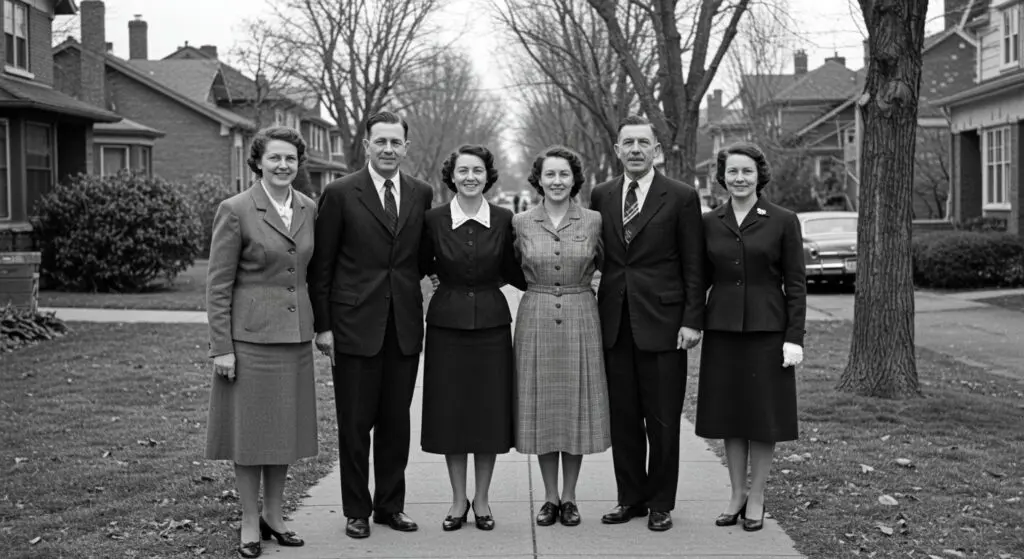
The Silent Generation didn’t demand the spotlight. They didn’t seek applause or recognition. But their lives were full of quiet heroism, enduring wisdom, and foundational values that have shaped every generation since. They showed us how to survive hard times with grace, how to work without complaint, and how to serve without fanfare. They believed in building rather than broadcasting, in doing rather than demanding. Their silence wasn’t absent, it was presence, strength, and Clarity.
As we move forward in an increasingly loud and chaotic world, let’s not forget what we’ve learned from them. Let’s preserve their Legacy—not just in stories, but in how we live, lead, and love.