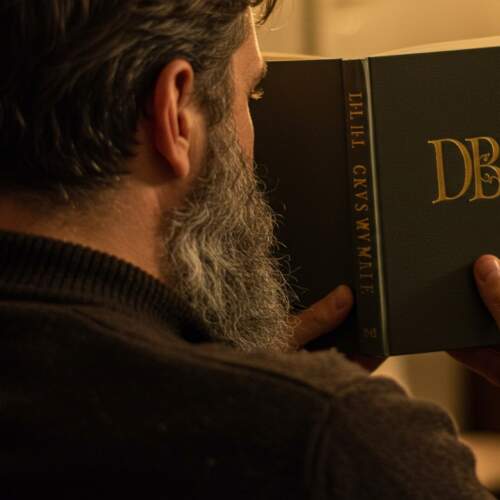

By asking, “Why won’t I get hearing aids?” there’s probably a little voice in your head whispering excuses, fears, or doubts. You’re not alone. Millions of people across the globe struggle with hearing loss — and just as many resist getting help. The irony? Hearing aids have never been more advanced, more discreet, or more beneficial. And yet, people wait 5 to 7 years on average before they do anything about it. The stakes are higher than you think. Untreated hearing loss isn’t just an inconvenience — it’s a serious quality of life issue. It can impact Relationships, work, Mental Health, and even your brain function. So why do people still avoid hearing aids like they’re admitting defeat?
Hearing loss comes in different forms — sensorineural, conductive, and mixed. It can happen suddenly, but most often it creeps in slowly, especially as we age. The most common cause? Good old-fashioned wear and tear from life and loud sounds. But hearing loss isn’t just about “not hearing.” It’s about missing parts of conversations, struggling in noisy environments, and constantly asking people to repeat themselves. It’s mentally exhausting. Your brain works overtime trying to fill in the blanks. Over time, this Stress can lead to irritability, withdrawal from social settings, and even Depression. Still, many of us brush it off. We say, “It’s not a big deal,” or “I’ll just turn the TV up.” But ask their families, and you’ll hear a different story. Hearing loss doesn’t just affect one person — it affects everyone around them.
Hearing aids are not a symbol of weakness. But society hasn’t gotten the memo. For decades, hearing aids were associated with Aging and decline. You see someone wearing one and think, “They must be old.” That’s the root of the stigma. People fear being judged or pitied. They fear looking “disabled” or vulnerable. Some would rather struggle silently than risk someone noticing the device in their ear. It’s like wearing a neon sign that says, “I’m getting old.” Not wearing hearing aids doesn’t make you any younger. Struggling through conversations, smiling and nodding when you didn’t hear a word — that doesn’t make you “normal.” It makes life harder than it needs to be.
You’ve probably said it yourself or heard someone say it: “It’s not that bad.” Denial is the first barrier. It’s a natural defense mechanism. No one wants to admit they’re losing one of their senses. It feels like the beginning of a decline. Hearing loss is usually gradual. It doesn’t hit you all at once. You adapt without even realizing it. You avoid phone calls, start avoiding noisy places, lean in more during conversations — all small workarounds that become your new normal. And by the time you realize how much you’ve lost, the damage is done. That’s why early intervention matters. But denial is powerful — and it keeps many people stuck for years.
One reason people give up on hearing aids is that they’re just not comfortable. Maybe they make your ears itch. Maybe they feel too tight, too loose, or just… off. And it’s totally valid. But it’s also totally fixable. Just like glasses, hearing aids need adjustments. It takes time to get used to them. Sometimes it takes a few fittings before they feel “just right.” Other times, you need a different style or custom mold. But don’t let discomfort be a dealbreaker. Tell your audiologist exactly what’s wrong. You’d be surprised how many solutions exist — from different materials to open-fit designs to tiny, invisible-in-canal options. Your ears deserve better than being left in silence just because the first try didn’t work.
There’s a sneaky fear that comes with hearing aids: “If I start wearing them now, I’ll never be able to live without them.” Or even worse, “What if they make my natural hearing worse?” Hearing aids do not damage your hearing or make your ears “lazy.” In fact, the opposite is true. The longer you go without stimulation, the more your brain forgets how to hear. It’s called auditory deprivation, and it’s a real concern with untreated hearing loss. Using hearing aids keeps those pathways active. It helps your brain stay sharp. If anything, not wearing hearing aids leads to more dependence on others — on people repeating things, translating conversations, or shouting across the room. Hearing aids aren’t a crutch. They’re a tool that helps you stay independent, connected, and confident.
Even though modern hearing aids are smaller than ever — some practically invisible — many people still worry: “What if people notice?” There’s a fear of standing out, being judged, or becoming “the person with hearing aids.” For some, it’s about vanity. For others, it’s about deeply rooted insecurities. And in a world that often celebrates youth and perfection, it’s understandable.
Most people are too busy with their own lives to notice what’s in your ear. And if they do notice? Most won’t think less of you — they’ll respect that you’re taking care of your Health. Plus, consider this: which stands out more — wearing a discreet device, or constantly mishearing things, interrupting conversations, or checking out of social situations altogether? You deserve to participate fully in life — and if that means wearing a tiny device, so be it.
Hearing loss isn’t just an ear issue. It’s a brain and heart issue, too. When you can’t hear well, you start to pull away from social events. Conversations become stressful. You feel out of the loop. Over time, that isolation can lead to loneliness, depression, and even cognitive decline. Studies have shown a strong link between untreated hearing loss and dementia. But the good news is hearing aids help. They keep your brain active, your mood lifted, and your connections strong. They’re not just devices — they’re lifelines to better mental health. And if that’s not worth a second look, what is?
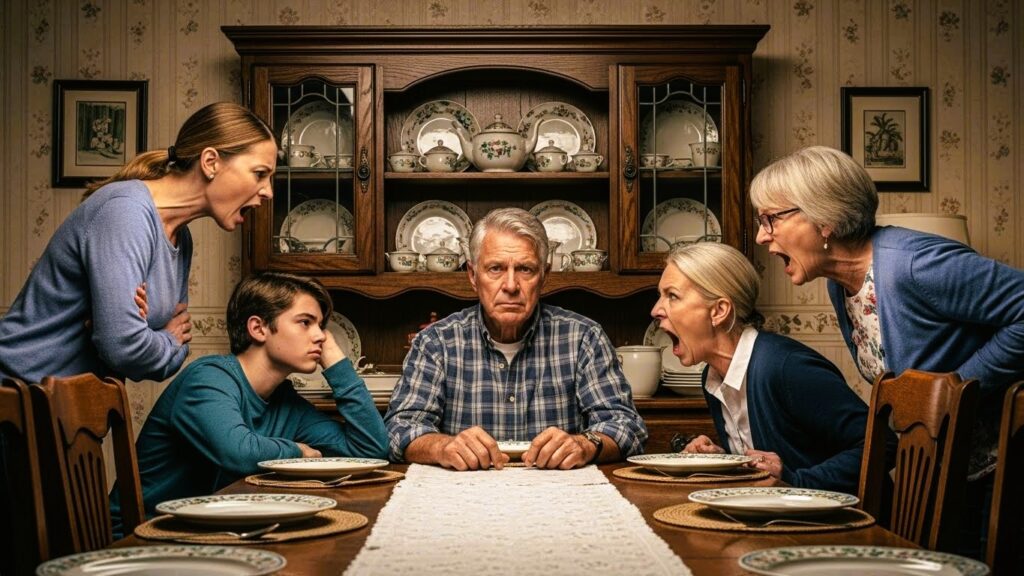
If you’ve ever had a spouse, child, or friend push you to get hearing aids, you’re definitely not alone. Nobody likes being told what to do, even if it’s coming from a place of Love. The more people nag, the more stubborn we become. Sound familiar? When your Family is urging you to consider hearing aids, it’s not about control. It’s about connection. They miss talking to you without shouting. They’re tired of repeating themselves. They want to share jokes, memories, and everyday conversations without you feeling left out.
Of course, constant pressure can backfire. You might feel like people are ganging up on you or treating you like you’re incapable. That’s a tough feeling to shake. But instead of framing it as pressure, try reframing it as support. They’re not annoyed at you — they’re worried for you. The real solution? Have an open, honest conversation. Let your loved ones know how you feel. At the same time, listen to their experiences too. Chances are, they just want you to be present and engaged again. And for the family members trying to help: don’t lecture. Don’t force. Encourage. Educate. Support. Being patient takes time.

So, why won’t I get hearing aids? Maybe it’s fear. Maybe it’s pride. Maybe it’s cost, or tech Anxiety, or just plain stubbornness. All of those reasons are valid. They’re human. But so is the desire to connect, to hear laughter, to enjoy the rustling of leaves, or the hum of your favorite song. Hearing aids aren’t magic wands — but they’re pretty close. They can restore not just your hearing, but your confidence, your relationships, and your quality of life. This isn’t about giving in. It’s about stepping up. Because the truth is, you deserve to hear your life — loud and clear.