

Something magical happens when a parent or grandparent opens a book and starts reading aloud to a child. It’s not just about the words, it’s about the rhythm, the emotion, the shared wonder, and the subtle but powerful connection being formed. Yet, despite all the known benefits, this once-sacred tradition is quietly fading into the background. In a world driven by screens, schedules, and speed, reading to kids is becoming less common—and that’s a problem.
Today, many households have shifted from nightly story time rituals to Streaming platforms and smart devices. This shift has more to do with Lifestyle changes than children’s preferences. Kids still Love stories—but they need someone to read them. The question isn’t whether kids still enjoy being read to (they do!), but rather, why are fewer adults making the time to do it?
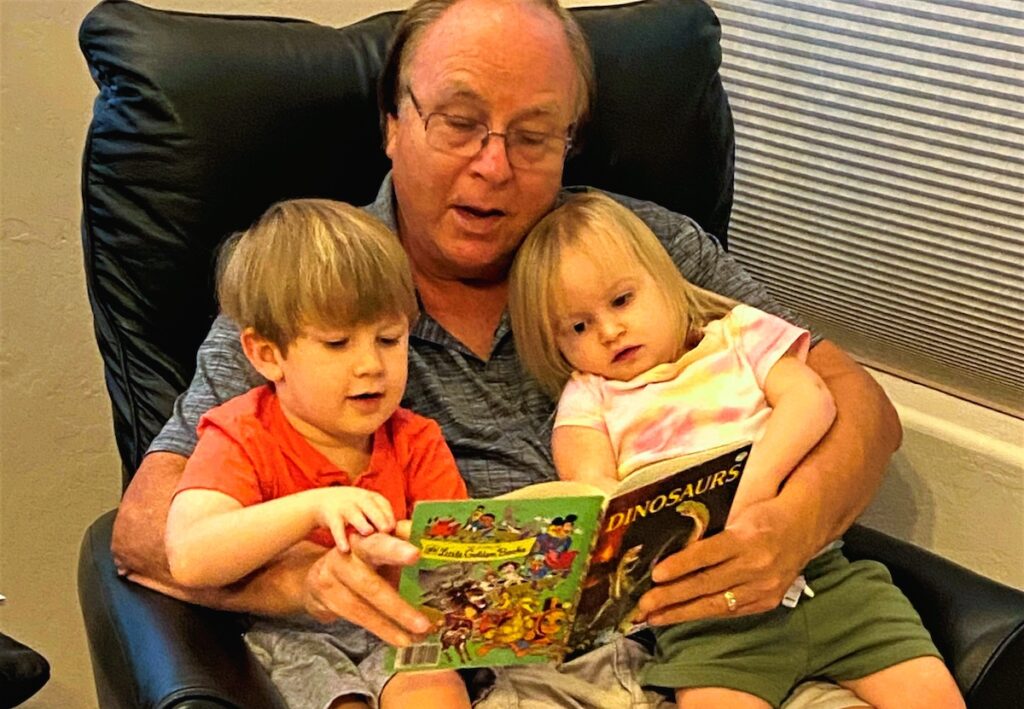
Long before the written word, storytelling was how people passed down knowledge, values, and culture. From the fireside tales of ancient tribes to the bedtime stories of the 20th century, oral storytelling was at the heart of human connection. It wasn’t just about entertaining children; it was about shaping them.
Grandparents, parents, and older siblings shared stories that reflected their values, local myths, Family history, and even moral lessons. This wasn’t simply a “nice to have” ritual—it was a way of preparing young minds for the world. Storytelling served as the original school, Therapy, and spiritual guidance all in one. In many cultures, storytelling was even a rite of passage. It wasn’t passive Entertainment; it was participatory. Kids would ask questions, imagine characters, and learn to narrate their own versions. Unfortunately, today’s fast-paced culture often skips this step entirely.
With the invention of the printing press, stories evolved from spoken words to ink on pages. Picture books, fairy tales, and classic novels became a staple in most households. But more than anything, reading together became a cherished bonding activity. Parents would snuggle up with their children at night, turning pages and entering new worlds together. The sound of a parent’s voice reading “Goodnight Moon” or “The Gruffalo” isn’t just nostalgic—it’s neurologically significant. It helps children feel safe, loved, and engaged. This bonding through books helped form secure attachments, which are crucial for emotional development. But now, that sacred time is often replaced by television in the background, parents scrolling through phones, or children independently using tablets. The loss isn’t just cultural—it’s deeply emotional.
Screens are everywhere. From smartphones to smart TVs, digital devices dominate our daily routines. Kids as young as two are adept at navigating YouTube, and many parents rely on screens to buy a few moments of peace. It’s understandable—but it comes at a cost.
Books, by comparison, don’t have flashy animations or autoplay features. They require patience, attention, and often, adult participation. But in a world of endless content, books often lose the battle for a child’s attention. Even when physical books are present in the home, they’re rarely the first choice. Screen time isn’t inherently evil, but it shouldn’t replace story time. The passive consumption of content on screens doesn’t stimulate the brain the same way storytelling does. Screens are loud, quick, and addictive. Books are quiet, slow, and thought-provoking—and they’re losing the popularity contest.
The biggest casualty of digital takeover? Imagination. Stories on screen show kids exactly what to picture. Books, on the other hand, ask them to imagine the castle, the dragon, the hero’s face. It’s a mental workout, a creative challenge. In our culture of instant gratification, waiting for plot development or imagining a setting from words alone feels “too slow.” But that slowness is the point. It helps children develop patience, critical thinking, and visualization skills. When kids are constantly bombarded with pre-digested visual content, their ability to think creatively weakens. Reading reintroduces that slow magic—the spark that fuels problem-solving and Innovation later in life.
Reading aloud to children isn’t just a charming tradition, it’s a critical building block for brain development. When a child hears stories, their brain lights up with activity. They start making neural connections that build language skills, comprehension, memory retention, and even emotional intelligence. Studies show that children who are read to daily have a vocabulary that is many words richer than those who aren’t. Each story, rhyme, or silly character name adds to their understanding of the world and their ability to express themselves clearly. Unlike TV or games, reading demands interaction. Children listen, imagine, and often ask questions—”Why did the rabbit do that?” or “What happens next?” These questions activate curiosity, which is the spark behind lifelong learning.
When parents read to their kids, something more than learning happens—bonding. The rhythm of the voice, the closeness, the shared laughter or suspense—it’s a deeply personal and emotional experience. For many children, especially those in chaotic or stressful environments, story time becomes a calm, predictable, and safe moment. It’s a routine that tells them, “You matter, and I’m here with you.” That sense of connection fosters emotional Security, which is essential for healthy development. Additionally, books provide a framework for discussing Emotions. When a character feels scared, brave, or sad, children relate. It gives parents an opening to ask, “Have you ever felt that way?”—inviting meaningful conversations that might not happen otherwise.
Kids today are often labeled as having short attention spans. But that’s not entirely fair, it’s more accurate to say they haven’t been trained to focus for long periods. Reading aloud to children builds that skill. It teaches them to sit, listen, imagine, and process overtime, which translates directly to classroom success. When children are regularly read to, they arrive at school more prepared. They understand sentence structure, have larger vocabularies, and can follow narratives. They’re better equipped to learn how to read independently, which is a foundational skill for all subjects. And it’s not just about English class. Reading helps with problem-solving, understanding instructions, and building confidence. When kids feel competent in their language abilities, they’re more likely to engage and participate in school.
Books are empathy machines. Through stories, children step into someone else’s shoes—whether it’s a penguin who can’t sing, a girl who solves mysteries, or a boy learning to stand up for himself. These fictional experiences teach real-life emotional lessons. Reading about diverse characters helps children understand different perspectives and cultures. It normalizes empathy, showing them that everyone struggles, dreams, and feels. In a divided world, that kind of understanding is priceless. More than any lecture, a simple story can teach kindness, resilience, and courage. When reading becomes a habit, these lessons accumulate, shaping children into more thoughtful, compassionate humans.
When you read to a child, you’re not just entertaining them, you’re Investing in their future. Kids who grow up with regular reading habits tend to perform better academically, exhibit stronger social-emotional skills, and develop into lifelong learners. These benefits compound over time. A child who learns to love reading becomes a teenager who explores complex ideas, a college student who thinks critically, and an adult who engages meaningfully with the world. It all starts with one story, one voice, one moment. The impact of reading may not be immediate, but it’s enduring. It builds confidence, competence, and curiosity, the pillars of success in any field. More importantly, reading plants seeds of empathy and wonder. It opens minds to other cultures, ideas, and ways of life. It creates a bridge between generations and a safe harbor in uncertain times.
Stories are more than just words on a page. They become friends, teachers, and guides. Ask any adult about their favorite childhood book, and you’ll likely see a smile and hear a passionate answer. That’s the power of stories—they stay with us. When we read to kids, we’re giving them something no screen can replicate: the experience of being transported by imagination and held by love. Stories become part of their identity, shaping how they see themselves and the world. Whether it’s a tale about courage, kindness, or curiosity, stories help kids understand their place in the universe. They teach them that life is full of challenges—and full of hope. So, let’s not let this art fade. Let’s keep reading alive—not just for Education, but for connection, Growth, and joy.
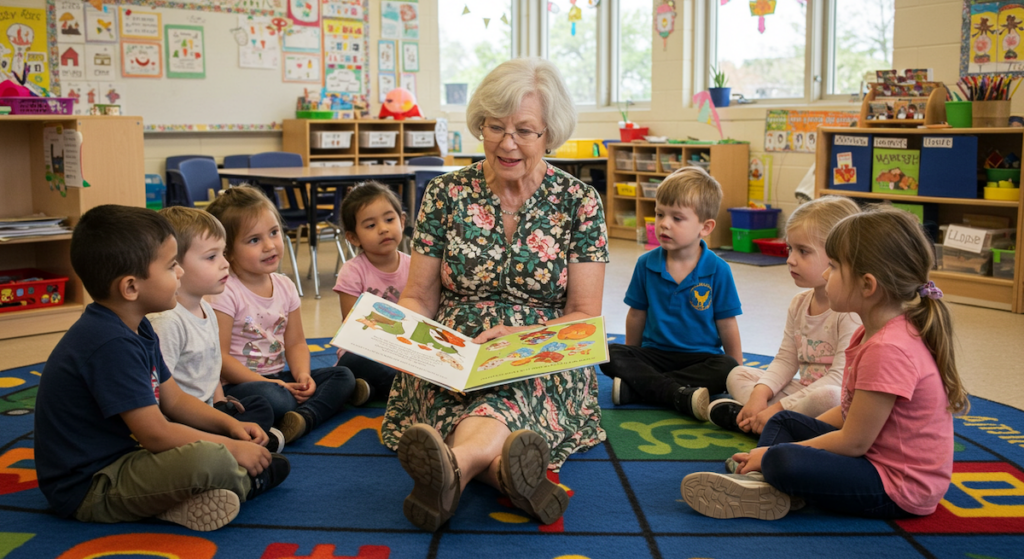
Reading to kids isn’t just a nostalgic ritual—it’s a vital act of love, learning, and Legacy. In today’s world, where distractions are endless and connection is fleeting, the simple act of opening a book and reading aloud is revolutionary. We’ve lost some of this magic, yes—but it’s not gone forever. By reclaiming story time, we’re not just building better readers—we’re building better humans. We’re nurturing imagination, empathy, resilience, and joy. Whether you’re a parent, teacher, grandparent, or neighbor, you have the power to bring back this lost art. Pick up a book. Read it aloud. Watch what happens.