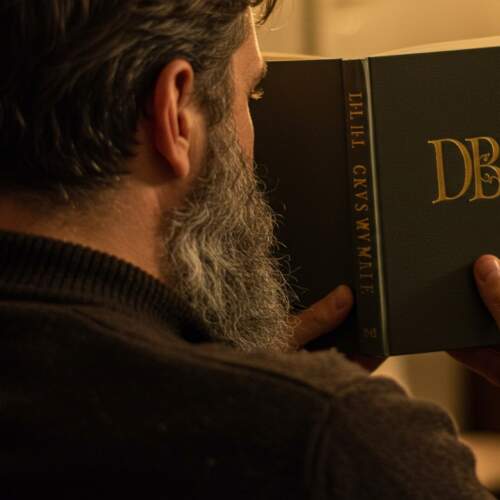

For decades, Retirement is painted as the “golden years” — a time to relax, Travel, and finally enjoy the fruits of your labor. Many men spend the better part of their adult lives looking forward to it. The reality, however, is far more complicated. For some, retirement doesn’t feel like freedom; it feels like being cut adrift. Instead of excitement, there’s an unsettling emptiness. Instead of joy, there’s confusion.
This silent struggle is more common than most people realize. Many of us face unexpected psychological and emotional challenges when we stop working. There’s a sudden loss of purpose, a disruption in daily structure, and a sense that the identity we’ve carried for years has slipped away. Society often focuses on the financial aspects of retirement but rarely talks about mental and emotional adjustments. When you’ve spent decades in a role — whether as a business owner, manager, engineer, teacher, or craftsman — it becomes more than just a job. It becomes part of who you are. Retirement forces you to redefine this and it is no small task. The gap between the retirement I imagined and the retirement I am living in leaves me feeling lost, restless, and even depressed.
Work gives life a certain rhythm — wake up, get dressed, commute, work, return home, and repeat. While this might seem mundane at times, it’s a framework that structures your entire week. When retirement arrives, that structure vanishes almost overnight. At first, this can feel like a welcome relief. No more alarms, no more deadlines, no more performance reviews. But after the initial honeymoon period, many men realize that the absence of structure brings an unexpected challenge: aimlessness. Without a clear plan for the day, hours can slip away without a sense of accomplishment. This lack of productivity can chip away at self-esteem and make days feel meaningless.
Structure plays a key role in mental well-being. Our brains thrive on routine because it reduces uncertainty and decision fatigue. Without it, we can feel adrift, unsure how to fill our time. The mind starts searching for direction, and without finding it, we can fall into unhealthy patterns — like oversleeping, excessive TV watching, or social withdrawal. Some of us attempt to recreate structure by scheduling gym sessions, joining community activities, or even taking on part-time work. These intentional efforts help anchor our days and restore a sense of stability, but getting to that point requires self-awareness and a willingness to adapt.
One of the most jarring aspects of retirement is the sudden need to answer the question: “Who am I without my job?” For decades, introductions have gone something like, “I’m David, I’m an engineer,” or “I’m Mike, I run a small business.” Careers often become intertwined with personal identity, shaping how we see ourselves and how others see us. When that career disappears from daily life, the loss isn’t just about tasks or titles — it’s about identity. We feel like we’ve lost our “place” in the world. Without the responsibilities, challenges, and goals that work provides, there’s a risk of feeling invisible or irrelevant.
Purpose is a powerful motivator. It’s what gets me out of bed in the morning. Work naturally provides that purpose through problem-solving, contributing to a team, and achieving results. Without it, we must actively seek new ways to find meaning — whether through hobbies, Volunteering, mentoring, or personal projects. Some of us adapt quickly, diving into passions we never had time for before. Others struggle, unsure where to channel our energy. The key is recognizing that purpose doesn’t have to come from a paycheck; it can come from impact, connection, and Growth.
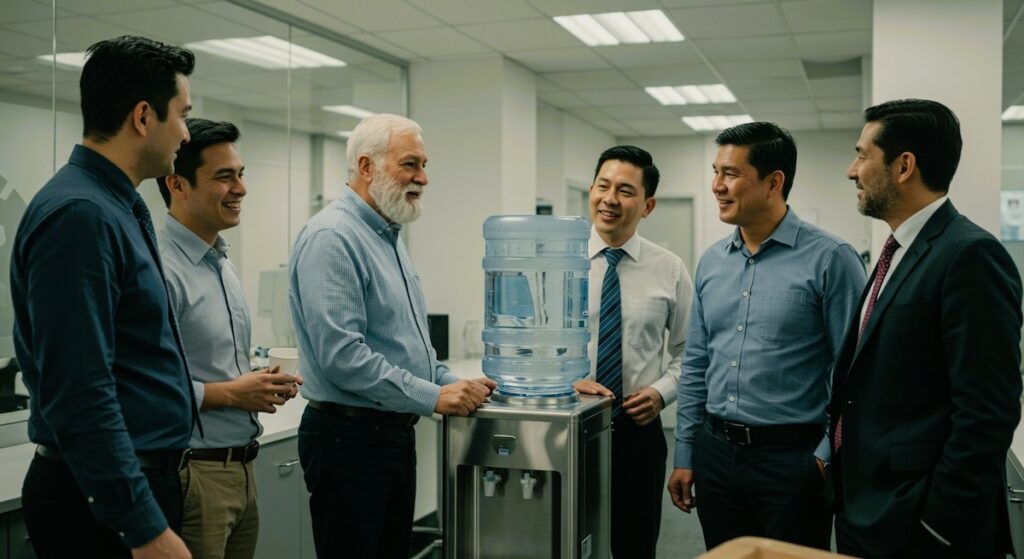
For most men, work isn’t only about earning Money — it’s about achievement, challenge, and contribution. Work is more than a paycheck. Work offers opportunities to solve problems, take on leadership roles, and see the tangible results of your efforts. This brings pride, satisfaction, and confidence. On top of that, the workplace is a built-in social network. Daily interactions with colleagues, customers, or clients create a sense of belonging. Even casual watercooler chats provide a subtle but powerful sense of connection. When retirement hits, these interactions vanish. Many men underestimate how much they’ll miss the social aspect of work until it’s gone.
Another overlooked factor is the difference between financial retirement and emotional retirement. Financial retirement simply means you’ve stopped earning an income from work. Emotional retirement is mentally stepping away from the role, the habits, and the identity that work gives you. These two don’t always happen at the same time — and that mismatch can create lingering feelings of emptiness.
Once the steady paycheck stops, it’s natural to feel a void — not just financially, but in terms of purpose. Our value is not tied to our salary. Shifting focus from earning to contributing is one of the most liberating steps we can take in retirement. This might mean sharing our expertise through mentoring, volunteering for community projects, or becoming involved in charitable organizations. Helping others not only benefits them but also brings a deep sense of satisfaction and meaning to our own life.
Purpose can also be found in personal passions. Maybe you’ve always wanted to write a book, start a garden, learn to paint, or explore your Family history. Retirement offers the time to turn those dreams into reality. The act of creating, improving, or nurturing something gives you a sense of progress — something many men miss after leaving the workforce. Even small acts can restore a sense of purpose. Teaching your grandchildren how to fish, fixing things for neighbors, or starting a community sports team might seem minor, but they create connection, impact, and pride. When money is no longer the main driver, the focus shifts to Legacy — not in terms of wealth, but in the lives you touch, the skills you pass on, and the memories you create.
Become an explorer — someone who’s curious, adventurous, and open to new experiences. This shift in mindset changes everything. Instead of dwelling on what you’ve lost (status, routine, income), you focus on what you’ve gained: freedom, flexibility, and the opportunity to reinvent yourself. It’s a chance to explore parts of life you couldn’t while you were tied to a job — whether that’s traveling to new countries, picking up unconventional hobbies, or simply spending more time in nature. Think of this stage of life as your personal second chapter. The first chapter was about building your career and supporting your family; this one is about building yourself. It’s about curiosity over obligation, passion over necessity. You might even surprise yourself by discovering new strengths, skills, and interests you never knew you had. By adopting the explorer mindset, retirement stops feeling like a loss and starts feeling like a frontier — one that’s yours to navigate.
For many of us, the concept of legacy takes on new significance in retirement. When you’re no longer building a career, you may start thinking more about what you’ll leave behind — not just materially, but in terms of influence, values, and impact. A legacy can be as grand as writing a book or founding a charity, or as simple as being a loving and present father, grandfather, or mentor. It’s about passing on Wisdom, sharing your experiences, and helping guide the next generation.
Mentoring can be especially fulfilling. Younger people value the knowledge and perspective that comes from years of experience, and our guidance can help them navigate challenges we’ve already faced. This kind of influence lives on long after we are gone.
You can also create a legacy through traditions. Family rituals, holiday gatherings, or even the way you tell stories can become part of your family’s cultural fabric. These are the things people remember — the ways you made them feel, the lessons you taught, the laughter you shared. By focusing on our legacy, retirement becomes less about what’s ending and more about what continues. It gives us a reason to act with purpose and a sense of pride in the mark we leave on the world.
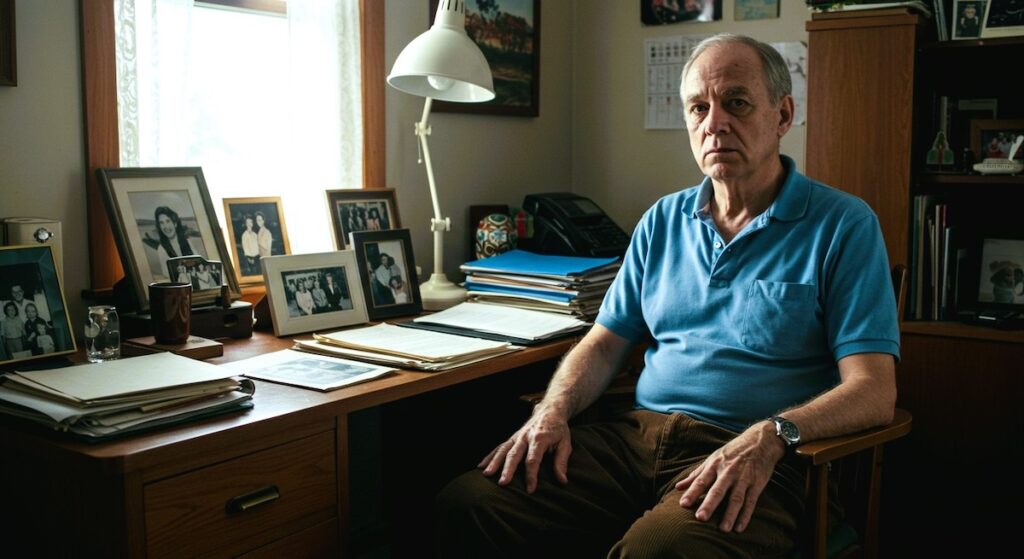
Retirement is one of life’s biggest transitions, and it’s completely normal to feel lost at first. We are closing a chapter that has defined us for decades, and stepping into an open, unwritten page can be daunting. But within that uncertainty lies opportunity — the chance to shape a life filled with meaning, connection, and joy on our own terms.
Yes, the loss of structure, identity, and professional recognition can be unsettling. But by building new routines, staying socially and physically active, finding fresh sources of purpose, and embracing our role as both explorer and mentor, we can transform retirement into a deeply rewarding stage of life. The key is to approach this time with intention. Don’t wait for purpose to find you — go out and create it. Whether through learning, giving, exploring, or simply being present for loved ones, we have the power to make our post-work years the most fulfilling yet.