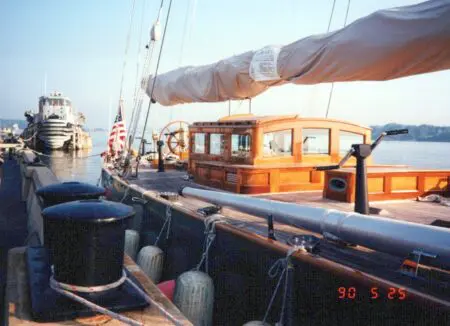

During our late-1990s sailing cruise to Florida, my husband Mark and I soaked up as many new experiences as possible. We enjoyed the ever-changing scenery as we wound southward along the Intracoastal Waterway. Every day, we checked out waterfront dwellings that included well-appointed compounds along with decades-old cottages with tons of character.
We also docked at a succession of Intracoastal Waterway marinas, where we caught up on laundry and waited for mail shipments. Every day, we analyzed the weather forecast, often creating two Travel plans based on the predicted conditions. And we regularly walked the marina docks, where we met other cruisers along with locals working on their boats.
And we also explored several interesting waterfront towns. Cafes in historic buildings, fascinating bookstores, and funky shops easily drew our attention. We avoided the tourist traps unless we were on the hunt for a good T-shirt. Finally, our interest in United States history spurred visits to intriguing destinations. Two historic forts stand out, each with a distinctive appeal.
After the long, cold slog down to Florida, we were desperate to reach a warmer climate. We finally exchanged our layered winter clothing for shorts and T-shirts in Titusville, Florida. Grateful beyond words, we established a two-month base camp at a welcoming yacht club. We played racquetball, tracked the marina’s resident alligator, and visited with friends in the marina’s roomy hot tub.
We also embarked on excursions both near and far afield. In our most memorable adventure, we rented a red convertible and trekked to the Florida Keys for a week. While strolling Key West’s famous streets, and soaking up the tourist vibe, we spotted a flyer for a different kind of boat trip. Our visit to the Dry Tortugas’ Fort Jefferson was one of the best experiences of our lives.
Our adventure began when we boarded the Yankee Freedom high-speed catamaran ferry at the Key West Ferry Terminal. Departing at 7:30 a.m. sharp, we plowed through rolling six-foot Gulf of America seas that caused many passengers to become unsteady on their feet. Fortunately, we weren’t affected. During the ride, we enjoyed the spectacular blue-green waters while watching the seabirds flying overhead.
Two hours (and 70 miles) after our departure, we docked at Fort Jefferson on Garden Key in the Dry Tortugas National Park. The United States’ most remote park, this 100-square-mile destination is surrounded by stunning aquamarine water. Seven miniature islands and dark-colored coral reefs dot the seascape, and seabirds cruise lazily overhead. We had heard that the Dry Tortugas were a ‘must visit” place, and we were finally here!
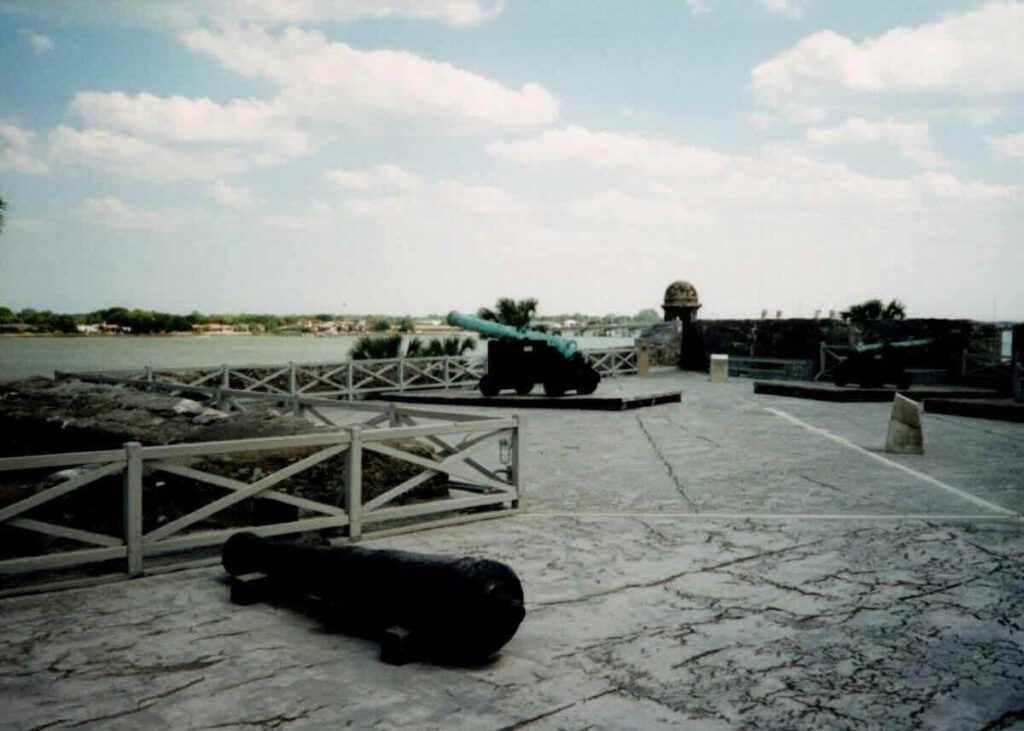
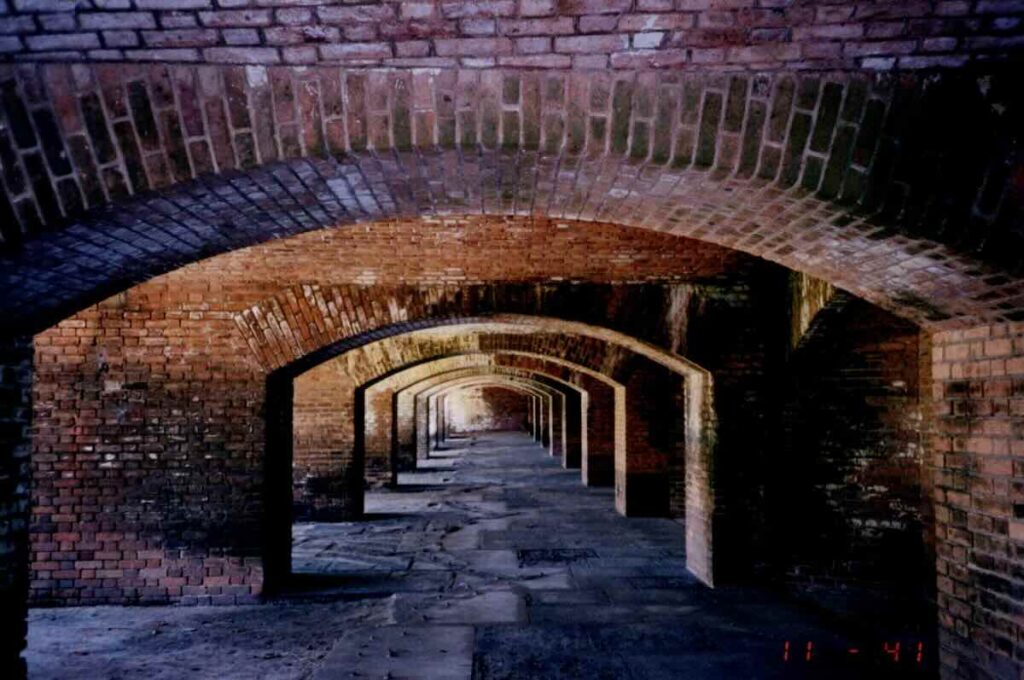
During the 19th-century, Fort Jefferson was constructed of 16 million bricks but was never really completed. This remote outpost served as a resupply/refit stop for merchant vessels and warships traveling the Gulf of America and the Straits of Florida.
Fort Jefferson also served as a prison for Civil War-era Union deserters. The facility’s most well-known resident was Dr. Samuel Mudd, the physician who treated Abraham Lincoln assassin John Wilkes Booth’s broken leg. For his involvement, Dr. Mudd received a life sentence to be served at Fort Jefferson. While there, a yellow fever outbreak killed the fort’s medical personnel. Dr. Mudd stepped in, treating many patients and earning himself an 1869 pardon from then-President Andrew Johnson.
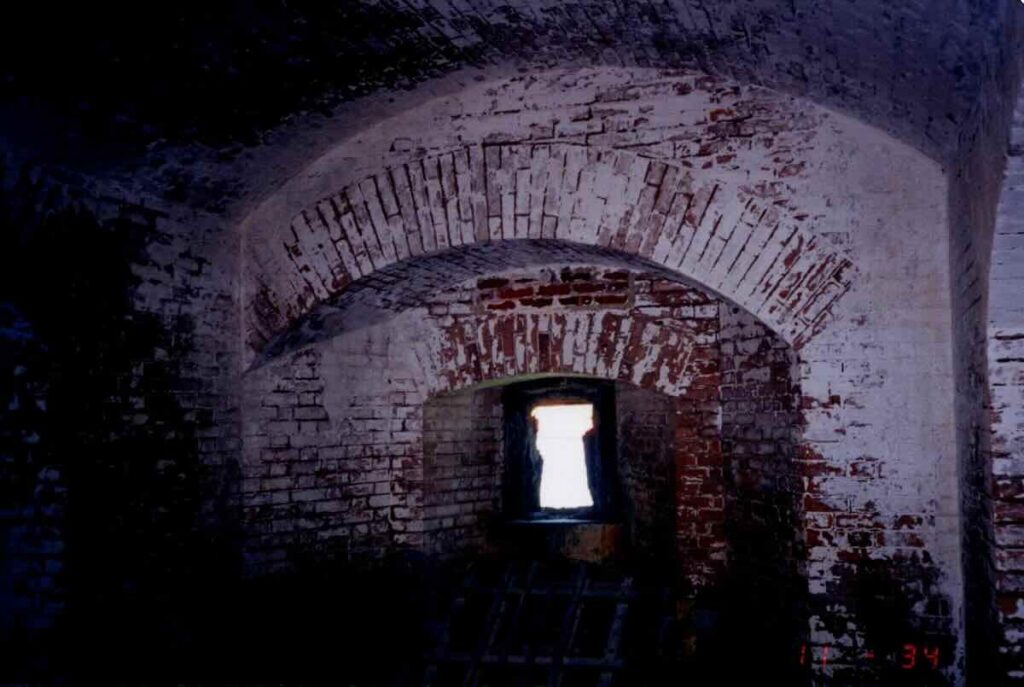
While at Garden Key, we explored every accessible inch of Fort Jefferson. We walked the grounds and viewed Dr. Mudd’s primitive cell, imagining the miserable living conditions in the boiling hot Florida sun. We capped our visit with a lazy snorkeling trip around the fort’s perimeter. After marveling at the beautiful coral reefs and colorful fish, we dried off and reluctantly boarded the Yankee Freedom for the trip back to Key West.
While traveling along Florida’s northeast coast, we docked in historic (and touristy) St. Augustine for several days. The City’s centuries-old history continues to beckon visitors from many parts of the country. As history buffs, we were intrigued by the Castillo de San Marcos, the continental United States’ oldest masonry structure.
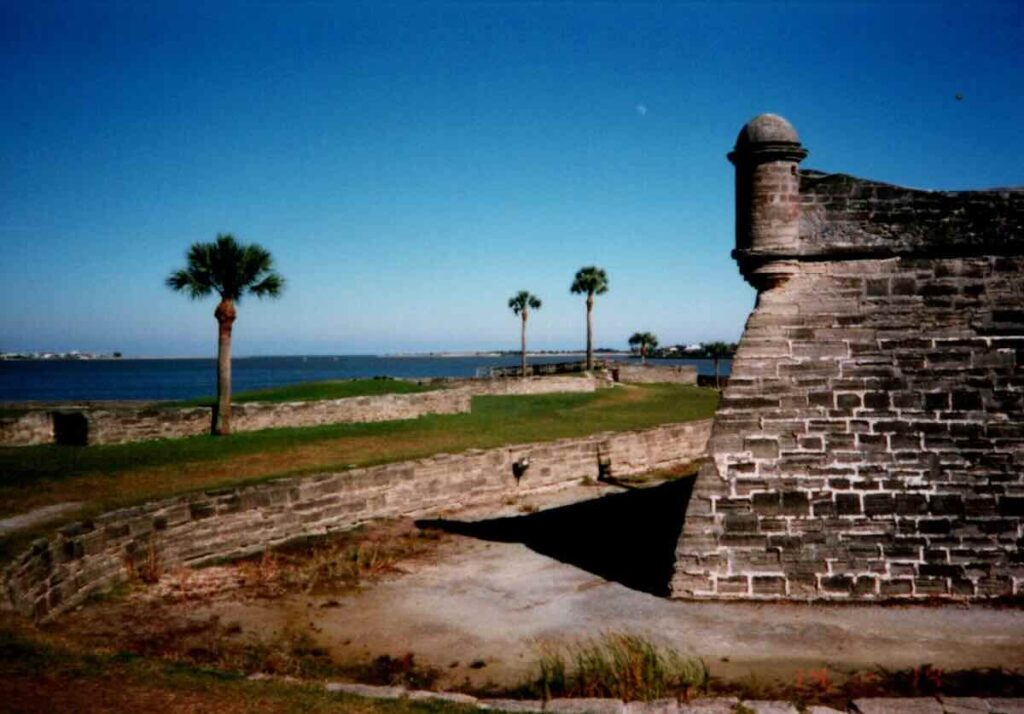
When this iconic fort was built in the late 17th century, St. Augustine was actually a Spanish colony. The site’s Matanzas River overlook, and the adjacent harbor, convinced the Spaniards to construct the fort to protect St. Augustine and the sea routes to Spain. The townspeople also took refuge in the fort’s courtyard during military sieges.
The Castillo de San Marcos is an imposing fortification. The fort’s outer walls are 14 to 18 feet thick at the bottom, tapering to a 9-foot top width. This massive structure was built from coquina stone, a substrate of shell fragments and natural cement. The coquina’s structure allowed it to resist cannon barrages rather than being decimated by them. Amazingly, every one of the 400,000 blocks of coquina stone was hand-cut and hand-set, a monumental feat considering the lack of modern stone masonry equipment.
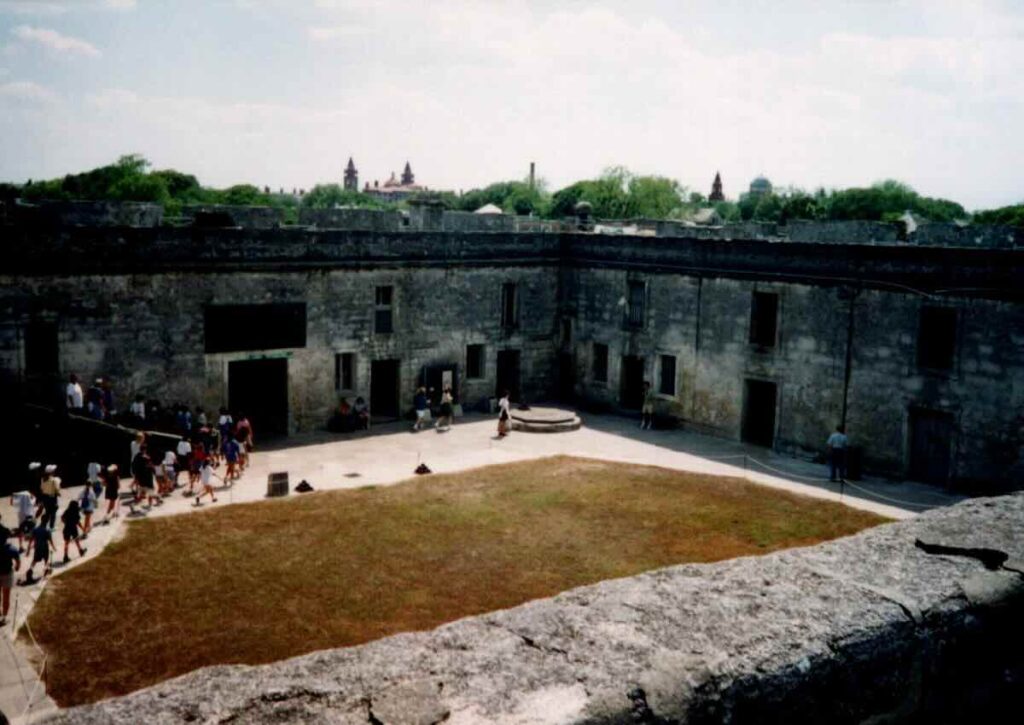
Touring the Castillo de San Marcos (now a National Monument) is an experience not to be missed. Part of historic downtown St. Augustine, it’s an easy walk for downtown visitors. By proceeding through the front gate, and crossing two drawbridges, you’ll arrive at the Sally Port (the fort’s entrance). After entering the courtyard and turning left, you can follow a clockwise self-guided tour around the Castillo. Inside the fort, you’ll see several rooms containing exhibits of period artifacts.
Next, we climbed the courtyard stairs to the all-important gun deck. In 1740, this expansive outdoor defensive platform held over 60 cannons. The gun deck also provides a 360-degree view of the Matanzas River and the surrounding landscape ─ a great vantage point for spotting potential marauders. In retrospect, exploring the Castillo de San Marcos was like traveling back through time. We viewed the same sweeping vistas as the Spanish explorers. What an amazing experience!
While there, we noticed the National Park Service’s warnings about uneven walking surfaces (and no safety rails). The coquina stone walls could unexpectedly crumble from age-related deterioration. Upstairs on the gun deck, visitors are discouraged from sitting or standing on the cannons and fortress walls.
Besides preventing potential visitor injury, these prudent actions will help stave off further deterioration of the centuries-old Castillo de San Marcos. To paraphrase a well-known conservation-focused quote: “Take only pictures, and leave only footprints.”