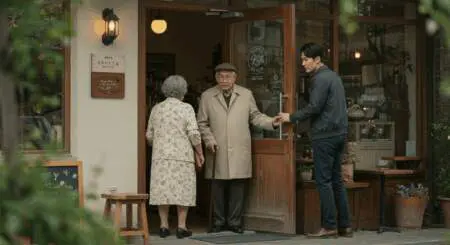

Nothing hits quite like the warmth in your chest when you make someone smile. It’s that moment when a small gesture, kind word, or unexpected act of kindness flips someone’s day around, and somehow, it flips yours too. You walk away lighter, happier, more connected to the world around you. But have you ever asked yourself why that feels so good? Why do you feel more fulfilled making someone else happy than chasing your own happiness directly?
The answer is layered—woven from threads of psychology, biology, and even spirituality. We’re not just people looking for joy; we’re built to find joy in each other. That “greatest joy” you feel when giving joy to others isn’t a random emotional reaction—it’s wired deep within your system. From the neurons firing in your brain to the values passed down through generations, there’s a fascinating science and soul behind it. This isn’t about being a saint or putting yourself last. It’s about tapping into something that already exists within you, something powerful, ancient, and deeply human.

When you give someone joy, whether it’s a compliment, a gift, or a helping hand, your brain lights up like a Christmas tree. And that’s not just poetic language; it’s literal brain science. Inside your skull lives a tightly wired system of neurotransmitters, which are essentially your emotional messengers. Two key players in the joy department? Dopamine and serotonin. These chemicals are released during acts of kindness and generosity, delivering a feel-good high that’s biologically similar to winning a game, eating your favorite dessert, or even falling in Love.
Psychologists call this the helper’s high—a burst of positive emotion that comes from doing good. Studies show that people who regularly help others report greater life satisfaction, less Depression, and lower Stress. Sounds like a magic pill, doesn’t it? But here’s where it gets even more interesting: unlike the joy of buying something or receiving a compliment (which tends to fade quickly), the joy of giving lingers. That’s because it connects with something deeper inside us—not just momentary pleasure, but a sense of meaning. Giving doesn’t just make you feel good—it makes you feel whole.
When humans roamed in small tribes, fighting off saber-toothed tigers and braving the elements, survival wasn’t about being the strongest or smartest. It was about being connected. We survived—and thrived—because we helped each other. Shared food. Protected one another. Raised children as a community. That’s why anthropologists say humans are “ultra-social” animals. And it’s also why our brains evolved to reward us for cooperation.
Our ancestors who felt joy in helping others were more likely to build strong bonds, stay safe, and raise healthy offspring. Over generations, those instincts became hardwired into our DNA. So, when you feel that warm glow from making someone’s day? That’s evolution giving you a high-five. Even today, researchers find that societies where cooperation and generosity are valued tend to be healthier and happier. It’s nature’s way of saying: “Keep looking out for each other.” If you’ve ever felt like giving joy is a natural part of who you are, you’re not wrong, it’s built into your survival toolkit.
Imagine seeing someone cry, and suddenly your own eyes well up. Or watching someone laugh uncontrollably, and you can’t help but join in. That’s empathy at work—your brain literally mirroring the Emotions of others. This happens thanks to mirror neurons, specialized brain cells that fire when we observe someone else’s experience. They help us emotionally “catch” joy, pain, or laughter like it’s contagious. That’s why making someone else feel joy can instantly reflect that same emotion back onto you. Empathy isn’t just an emotional response—it’s a survival mechanism. It helps us bond, form social groups, and build trust. And when we act on empathy—by giving someone joy—we create a feedback loop. We see their happiness, feel it ourselves, and then become more inclined to repeat the behavior. When you find your greatest joy in giving others joy, you’re not just being nice, you’re syncing your emotional rhythm with people around you. This emotional harmony is the music of a meaningful life.
Joy is contagious. When you give someone joy, they’re more likely to pass it on to someone else. It’s like tossing a pebble into a pond. The ripples spread far beyond the initial splash. Ever heard of the “pay it forward” movement? One small act of kindness can start a chain reaction. You buy someone’s coffee, they tip their server extra, that server goes home and hugs their kid a little tighter. It goes on and on.
Studies have shown that people who witness acts of kindness—not just experience them—feel more inspired to do good themselves. It’s called “moral elevation,” and its proof that generosity multiplies.
When you give joy to others, you’re not just creating a happy moment, you’re starting a wave. A wave that can spread across families, communities, even generations. It’s quiet, powerful, and deeply human. This ripple effect is why giving feels so impactful. Because deep down, we know it doesn’t end with us. We’re lighting a match that can ignite someone else’s light creating joy on a whole different level.
Sometimes, the world feels heavy. Maybe you’re dealing with Anxiety, Grief, or just one of those grey seasons where everything feels a little off. In those moments, it’s tempting to turn inward, to isolate. But one of the most effective ways to feel better… is to help someone else. Acts of kindness can serve as a form of self-Therapy. It redirects your focus from your pain to someone else’s hope. It creates a sense of control in a world that often feels chaotic.
People who volunteer or regularly help others experience lower levels of stress, reduced blood pressure, and possibly even longer lifespans. It’s not magic, it’s mindfulness in motion. You’re stepping outside your own suffering and into action. That shift can break negative thought patterns and give you a new lens through which to view your life. You’re no longer just surviving—you’re contributing. And while giving joy doesn’t erase your problems, it gives them context. It reminds you that even when things feel dark, you still have something valuable to offer the world.
Think about the last time you bought yourself something nice—a gadget, a pair of shoes, maybe even a fancy dinner. It probably felt great… for a little while. But how long did those feelings last? A few hours? A day or two? Now compare that to the time you did something kind for someone else. Maybe you paid for a stranger’s meal or helped a friend during a rough patch. That memory probably stuck with you longer, didn’t it?
That’s because giving creates emotional depth, while receiving often creates short-lived pleasure. When we give joy, we connect emotionally, mentally, and even spiritually with another person. It’s a shared experience, rooted in real human connection—and that sticks.
Psychologists have coined the term “hedonic adaptation” to describe how we quickly get used to the things we receive or achieve. In other words, the thrill fades. But giving sidesteps this effect because it’s not about accumulation—it’s about contribution. It’s about doing rather than having.
And acts of giving often become part of our identity. You don’t just remember them, you internalize them. “I’m the kind of person who shows up. Who makes others feel seen. Who gives.” That narrative builds self-esteem, resilience, and a deep, lasting sense of joy. Receiving can feel good in the moment. But giving? That’s the kind of joy that settles into your bones and stays there.
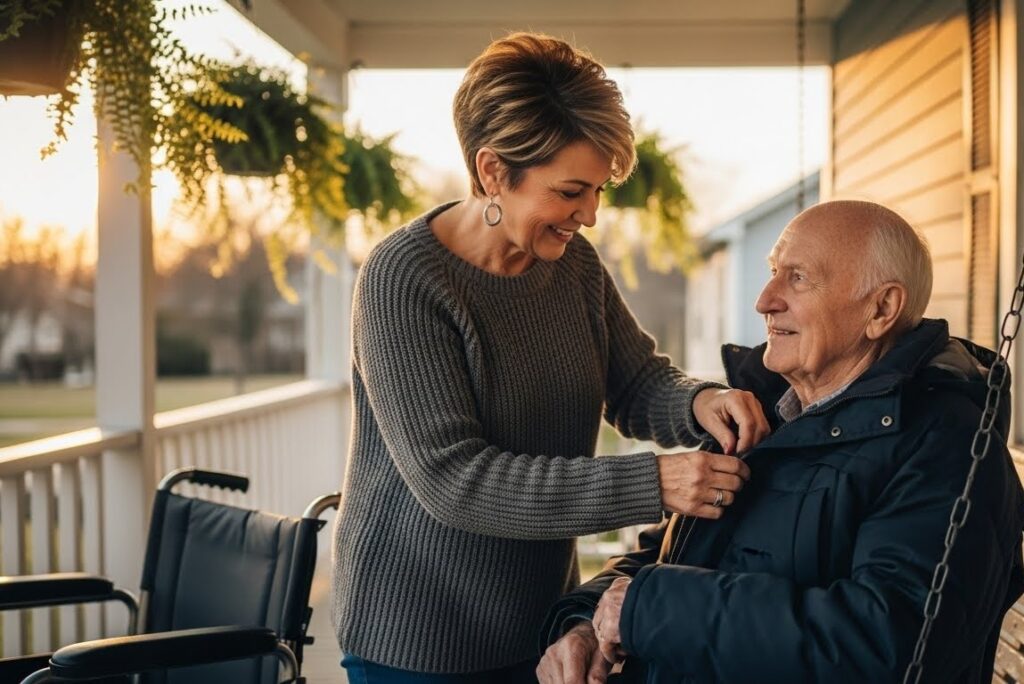
So, why do I feel my greatest joy when I give joy to others?
Because that’s how we are all built. From the neurons in your brain to the values woven into your heart, you’re designed for connection, compassion, and contribution. Giving taps into all of that. It satisfies your brain’s craving for reward, your soul’s longing for meaning, and your heart’s need for belonging.
In a world that often tells us to focus inward—to accumulate, to compete, to stand out—giving joy is a quiet rebellion. It says: I see you. I care. And I believe we’re better together. We don’t need to change the world. Just change someone’s moment. One smile. One kind word. One thoughtful gesture. And in doing that, you change yourself, too. The joy is real. The impact is lasting. And the best part? It’s already inside of us, waiting to be shared.