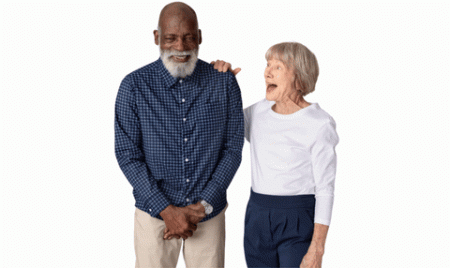
Getting dressed should feel simple, comfortable, and familiar. But as people get older, clothing needs often change. Mobility may be more limited, balance can become less steady, and small tasks like buttoning a shirt or pulling on pants can take more effort than they used to.
So what do senior citizen men wear? And what do senior citizen women wear?
The short answer is that most seniors wear clothing that feels comfortable, easy to manage, and appropriate for their daily routine. That might mean soft pull-on pants, easy-to-button shirts, non-slip socks, roomy cardigans, or adaptive clothing designed to make dressing easier.
The best clothing for seniors is not about dressing a certain age. It is about finding styles that support comfort, confidence, independence, and safety.
Most senior citizens wear everyday clothing that is:
For some older adults, that means relaxed basics like knit tops, elastic-waist pants, and cardigans. For others, it means adaptive clothing with magnetic closures, side openings, or easy-on designs that reduce dressing strain.
A retired older adult living independently may dress very differently from someone recovering from surgery, living in assisted living, or managing Arthritis or Parkinson’s. The right clothing depends on the person’s needs, habits, and personal style.
When older adults shop for clothing, comfort is usually the starting point. But there are several other factors that often matter just as much.
Many seniors prefer clothing that is easier to put on and take off. Small buttons, tight sleeves, stiff waistbands, and narrow pant openings can all make dressing more difficult.
Helpful features include:
These details can make a big difference in daily life, especially for people with reduced dexterity or limited mobility.
Clothing for seniors should feel good during long periods of sitting, walking, resting, or moving around the house. Soft fabrics, flexible fits, and non-restrictive waistbands are often more comfortable than rigid or structured clothing.
Some clothing choices also help improve safety. Non-slip socks can help reduce slipping indoors. Pants that are easier to pull on can reduce the need for awkward bending or balancing. Clothing that feels easier to manage can help make dressing less tiring and less frustrating.
Older adults do not stop caring about how they look. Most seniors still want clothing that feels like them. The best senior clothing combines ease and practicality with style that still feels polished, familiar, and age-appropriate without feeling outdated.
While everyone is different, these are some of the most common types of clothing older adults choose for everyday life.
Pants are one of the biggest dressing challenges for older adults. Many seniors look for pants that are comfortable, easy to pull on, and simple to wear throughout the day.
Common favorites include:
Explore adaptive pants styles for men and adaptive pants for women that are easier to manage than pants with buttons, stiff waistbands, or tight openings.
Older adults often prefer shirts that are soft, breathable, and easier to fasten. Traditional button-downs can become hard to manage, so many seniors choose tops with simpler closures or more forgiving fits. Adaptive shirts for men and adaptive shirts for women reflect timeless style and innovative designs.
Popular options include:
These are especially helpful for seniors with arthritis, hand weakness, or limited shoulder mobility.
Socks may seem small, but they can make a major difference in comfort and safety. Seniors often do best with socks that are easy to put on and designed for stability.
Helpful options include:
For older adults who spend a lot of time at home, non-slip socks are especially popular because they offer traction without needing slippers or shoes indoors.
Many seniors prefer layering pieces that are easy to put on and take off throughout the day. Cardigans, zip-up hoodies, and easy outer layers are practical because they help with comfort and temperature changes without requiring overhead dressing.
Yes, many do.
Adaptive clothing is not just for people in hospitals or care settings. It is often simply easier clothing. Many seniors wear adaptive clothing because it helps with everyday dressing challenges while still looking like normal clothes.
Adaptive clothing for seniors may include:
For older adults who struggle with fine motor skills, balance, stiffness, or mobility, adaptive clothing can make everyday routines feel much more manageable.
At home, most seniors prioritize comfort, ease, and safety.
Good everyday at-home clothing often includes:
The goal is to wear clothing that feels comfortable for resting, walking around the house, getting dressed independently, and staying warm without feeling restricted.
When going out, many older adults want clothing that still feels comfortable but looks a little more polished. That often means:
The best outfits are the ones that feel easy to wear while still helping the person feel confident and put together.
If you are shopping for yourself, a parent, or a loved one, these tips can help.
So what do senior citizens wear?
Most wear clothing that helps them feel comfortable, confident, and able to get through the day with less frustration. That often means softer fabrics, easier pants, simpler closures, supportive socks, and clothing that fits their daily life instead of making it harder.
For some older adults, regular basics work well. For others, adaptive clothing is the best option because it reduces strain and makes dressing easier without sacrificing style.
The right clothing is not about age. It is about ease, comfort, and dignity.
Originally Published on https://joeandbella.com/blogs/news