Author: Taylor Donaldson, RN — Chief Customer Happiness Officer, Joe & Bella
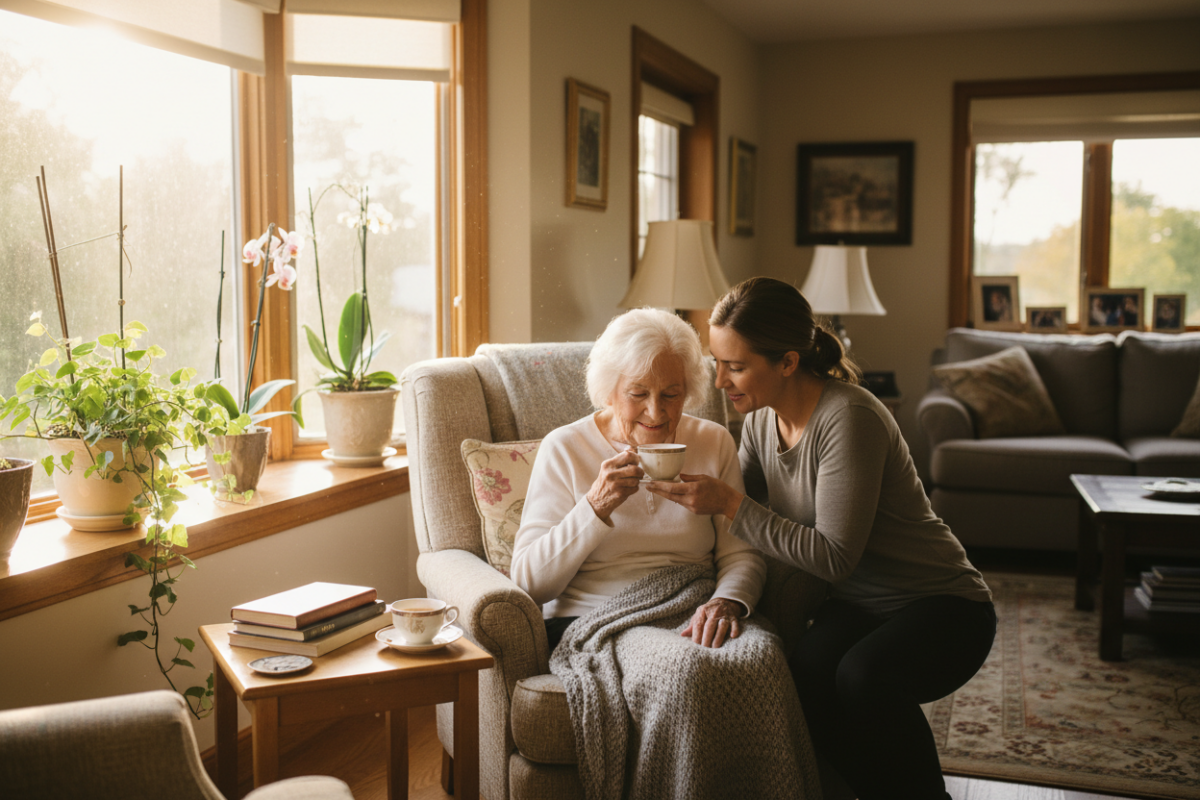
Dressing is one of the core activities of daily living, or ADLs. ADLs are the basic self-care tasks people need to manage each day, such as bathing, dressing, eating, toileting, and moving from one position to another. Because dressing affects comfort, safety, and independence, it is often used as part of assessing a person’s functional ability.
For many older adults and people with disabilities, dressing becomes harder over time. Limited range of motion, pain, weakness, poor balance, Arthritis, Stroke recovery, tremors, or memory changes can all turn a routine task into a stressful one. Caregiving guidance from the National Institute on Aging notes that people who need help with dressing often do better when caregivers simplify the process, reduce choices, and allow the person to do as much as possible on their own.
That is why practical ADL dressing tips matter. The goal is not just to get clothes on. The goal is to make dressing easier, safer, and more dignified while supporting as much independence as possible. And please check out our complete ADL/IDL Guide.
In the context of ADLs, dressing means more than putting on a shirt or pair of pants. It includes choosing appropriate clothing, putting garments on and taking them off, handling closures, and adjusting clothing so it is comfortable and suitable for the weather and situation. Clinical guidance on dressing disability describes dressing as an essential daily living activity requiring coordinated physical and cognitive effort.
That is one reason dressing can be affected by so many different conditions, including:
Dressing looks simple, but it actually involves many small skills at once. A person may need to raise their arms, bend forward, grip a zipper or button, stand steadily, balance on one leg, remember the order of steps, and tolerate the feel of the clothing itself. That combination is what makes dressing one of the more difficult ADLs when physical or cognitive abilities change.
For caregivers, dressing can also become one of the most frustrating daily routines. Research on caregiving and dressing assistance notes that repetitive cueing and power struggles around dressing can add to caregiver burden.
One of the most important ADL dressing tips is to avoid taking over too quickly. Caregiver guidance recommends allowing the person to dress on their own for as long as possible, even if they need some assistance along the way. That helps preserve confidence, routine, and independence.
This might mean:
When dressing becomes confusing, simplify the sequence. The National Institute on Aging recommends laying out clothes in the order the person should put them on, such as underwear first, then pants, then a shirt, and then a sweater.
This helps reduce mental overload and can make the task feel more manageable, especially for someone with fatigue, memory changes, or Anxiety.
Instead of saying “get dressed,” break the routine into smaller directions. NIA guidance specifically recommends handing the person one thing at a time or giving step-by-step dressing instructions.
Examples include:
Small instructions are usually easier to follow than broad commands.
Too many choices can slow the process down or create Stress. NIA suggests keeping only one or two outfits available at a time to reduce confusion.
This is especially helpful for people with dementia, decision fatigue, or frustration during morning routines.
Clothing can either make dressing easier or harder. NIA recommends loose-fitting, comfortable clothing and specifically notes that elastic waistbands can be helpful.
In general, dressing is easier when clothing includes:
Small buttons, buckles, and shoelaces can become major barriers. NIA recommends using fasteners or large zipper pulls instead of standard buttons or buckles, and slip-on shoes or hook-and-loop styles instead of laces.
This is where adaptive clothing can help. Features like magnetic closures, side zippers, and pull-on designs can reduce strain for both the person dressing and the caregiver assisting.
For many older adults, dressing while seated is safer than dressing while standing. A seated position can reduce fall risk and make it easier to pull on pants, socks, and shoes without losing balance. This is especially useful for people with weakness, fatigue, dizziness, or limited mobility. That aligns with the broader clinical focus on dressing as a coordinated task that depends on physical capacity and environmental support.
If one side of the body is weaker, more painful, or less mobile, it is often easier to dress that side first. This is a common rehabilitation and occupational Therapy strategy because it reduces strain and makes the sequence more manageable for people with one-sided weakness or limited range of motion. Occupational therapy literature has long addressed dressing-device use and methods for teaching older patients dressing strategies during rehab.
A consistent routine can make dressing feel more familiar and less stressful. That might mean dressing at the same time each day, using the same chair, or following the same order of steps. People who need help with daily tasks often benefit when the environment and routine are simplified and repeated.
ADL assistance is not just about efficiency. It also affects self-esteem and quality of life. Nursing and caregiving guidance emphasizes that personal care should support well-being, dignity, and preferences.
A few simple habits help:
The right clothing can make a big difference in dressing success. Helpful features often include:
These features support the same kinds of simplification recommended in caregiver guidance and are especially useful when dressing difficulties involve grip strength, balance, arm mobility, or cognitive load.
Sometimes dressing difficulty is not just a matter of needing easier clothes. It may signal a bigger change in function. Because ADLs are used as an indicator of functional status, a noticeable decline in dressing ability can suggest the need for more support, rehabilitation, or care planning.
It may be time to seek more help if the person:
Dressing is one of the most personal activities of daily living. When it becomes difficult, the impact goes beyond clothing. It affects comfort, privacy, safety, confidence, and independence.
The most useful ADL dressing tips are usually simple:
That approach can make dressing easier not only for the person getting dressed, but also for the caregiver providing support.
Originally Published on https://joeandbella.com/blogs/news