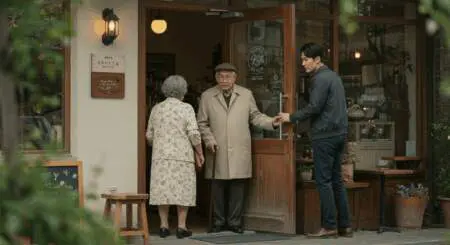
Homelessness among the baby Boomer Generation has become one of the most overlooked yet rapidly growing social crises in modern times. Once seen as the wealthiest and most prosperous generation in American history, Baby Boomers, are now increasingly showing up in shelters, on the streets, or in their cars. This growing trend reveals a deep, systemic failure to protect Aging populations in a society that once promised them stability and comfort in their golden years. Looking at the numbers, of the 770,000 experiencing homelessness, 146,000 are over 55 years old. 46% are unsheltered. This is an 18% increase over last year. The root causes of this rise aren’t just economic, they’re also structural, societal, and Health related. Many baby boomers are now experiencing “first-time homelessness” in their 60s or 70s, often due to a single financial shock: a hospital bill, a Divorce, the death of a spouse, or an eviction.
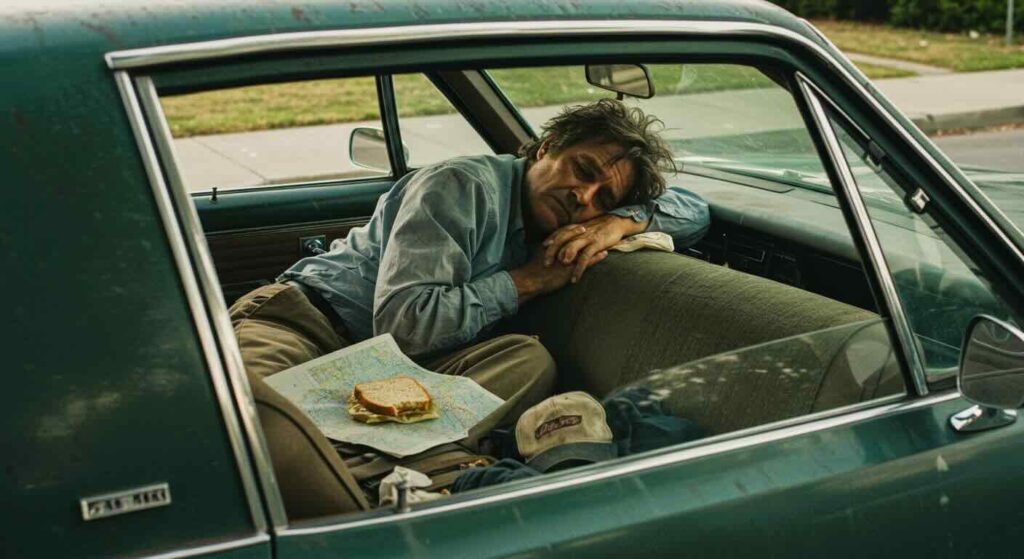
One of the most significant contributors to boomer homelessness was the 2008 housing market collapse and subsequent Great Recession. Many baby boomers, especially those in their 40s and 50s at the time, lost homes, savings, and jobs. Unlike younger generations who had time to bounce back, older adults struggled to regain financial footing. They were more likely to be laid off and less likely to be rehired due to age discrimination. During this time, millions drained their Retirement savings just to stay afloat. And as housing prices skyrocketed again in the 2010s and 2020s, many could no longer afford to rent or buy—even if they managed to re-enter the workforce.
Retirement doesn’t mean what it used to. Pensions are nearly extinct, Social Security benefits are often inadequate, and medical costs are through the roof. According to the National Institute on Retirement Security, nearly two-thirds of working baby boomers have no retirement savings. Even those who have some savings often find that it’s not nearly enough. Add to that the increasing cost of rent, food, and utilities, and many seniors are living just one unexpected expense away from losing everything. A broken-down car, a medical emergency, or even a rent hike can be enough to push someone into homelessness. It’s not uncommon for older adults to quietly couch-surf with friends, live in their cars, or stay in motels for weeks at a time—hiding their situation out of pride or fear. This makes the problem even harder to track and solve.
The affordable housing crisis in America affects all age groups, but it’s especially devastating for older adults on fixed incomes. Rents have surged, public housing waitlists are often years long, and housing vouchers are in short supply. For seniors, Downsizing is not always an option either—because even “affordable” senior housing can come with long waitlists or high entry fees. What’s worse, many cities lack dedicated housing programs for older adults facing homelessness. Emergency shelters are often ill-equipped to care for Elderly people with mobility issues, chronic illnesses, or Mental Health challenges. The reality is grim: for many baby boomers, there’s literally nowhere to go. Even those who qualify for subsidized housing might wait years for placement—years they might not have.
You’d think with decades of experience, baby boomers would be in high demand in the workforce. But the truth is, age discrimination is alive and well. Many employers are hesitant to hire older workers, even for entry-level roles, fearing health issues, retirement turnover, or higher salary expectations. This makes it incredibly hard for boomers who lost jobs in midlife to ever recover. Gig Economy jobs like Uber, delivery services, or part-time Retail work are often not sustainable or physically doable for aging adults. Without steady income, rent becomes impossible, and homelessness becomes the default. In fact, research shows that older unemployed adults tend to stay unemployed nearly twiceas long as younger ones. And when they do find jobs, the pay is often significantly less than what they earned before.
Health is a major factor in the rising tide of homelessness among baby boomers. As people age, they naturally face more health complications—both physical and mental. Chronic illnesses like Arthritis, Diabetes, Heart Disease, and respiratory conditions can make it difficult or impossible to maintain consistent Employment, especially in physically demanding jobs. On top of that, many older adults also suffer from untreated or under-treated mental health conditions, including Depression, PTSD, Anxiety, and substance abuse. These issues are often compounded by social isolation, a lack of community support, and the stigma around mental illness.
The healthcare system doesn’t help much. Access to affordable care is still out of reach for many, even with Medicare. Co-pays, deductibles, and uncovered services can quickly drain a limited income. When you’re forced to choose between buying medication or paying rent, the long-term consequences can be devastating. These health struggles are even worse for homeless boomers. Without a permanent address, it’s harder to get prescriptions, attend appointments, or receive follow-up care. Many end up in emergency rooms, shelters, or jail—none of which address the root problems.
Many baby boomers were raised with the belief that Social Security and Medicare would be there for them when they needed it. But these programs were never designed to fully cover the cost of living in old age, especially in today’s economy. Social Security checks are modestly averaging around $1,800 a month—barely enough to cover rent in most urban areas, let alone food, transportation, and healthcare. Supplemental programs like SSI (Supplemental Security Income) and SSDI (Social Security Disability Insurance) have strict eligibility requirements and long wait times. Many applicants are denied multiple times before receiving any help.
Other programs like SNAP (food stamps), Section 8 housing, and Medicaid are plagued by bureaucratic red tape, long delays, and inconsistent access depending on the state. For baby boomers who never needed government assistance before, navigating these systems can be overwhelming and confusing. This failure of the safety net pushes many into a downward spiral. Without timely intervention, even a minor setback can lead to eviction, job loss, or a health crisis—and before long, homelessness becomes the only outcome.
Even though many baby boomers are eligible for Medicare, access to actual healthcare remains a major issue. Medicare doesn’t cover everything. Vision, dental, hearing aids, and long-term care are either only partially covered or not covered at all. These are essential services for seniors. In addition, many low-income seniors don’t understand how to navigate the complicated Medicare enrollment process, especially those with limited literacy or no internet access. If they miss key deadlines, they may be penalized or left without coverage for months.
Mental health care is even harder to access. There’s a severe shortage of geriatric psychiatrists in the U.S., and very few community clinics are equipped to handle the complex needs of aging patients with co-occurring disorders. Without consistent medical care, baby boomers are more likely to develop serious conditions that could have been prevented or managed. In many cases, a simple lack of a hearing aid, dentures, or blood pressure medication can set off a chain of events that ends in homelessness.
One of the cruelest realities baby boomers face when they become homeless is criminalization. Instead of being offered help, many are fined, ticketed, or even arrested for things like sleeping in public, loitering, or panhandling. Laws that ban sleeping in cars or camping in public spaces disproportionately affect homeless seniors, who often have nowhere else to go. These policies not only fail to solve the issue but actively worsen it by saddling individuals with fines they can’t pay and criminal records that make it even harder to get housing or employment.
Imagine being 68 years old, living in your car because you couldn’t afford rent, and getting slapped with a $300 ticket for “illegal lodging.” That’s not just inhumane—it’s counterproductive. These punitive measures add layers of Trauma and Stress to people already struggling with severe hardship. Instead of directing funds toward housing, mental health, and social services, cities spend millions policing homelessness—an approach that helps no one.
Homelessness prevention is always more effective—and cheaper—than trying to fix the problem after it spirals. That’s why any strategy to address baby boomer homelessness must prioritize early intervention and prevention. We should be identifying at-risk seniors before they lose housing. This can be done through hospitals, community health clinics, social workers, and even utility companies. If someone is falling behind on bills, missing appointments, or showing signs of mental health decline, outreach teams should be activated to help.
Education is also key. Teaching financial literacy, digital skills, and how to access benefits can empower aging adults to better manage their resources. Prevention programs must be culturally competent and address barriers like language, disability, or trauma.
Another overlooked factor is intergenerational housing support. Programs that match seniors with younger roommates or Family-based care options can reduce isolation and financial pressure, while building community and mutual support. Solving homelessness among baby boomers requires us to think beyond shelters and into long-term solutions that offer dignity, safety, and hope.
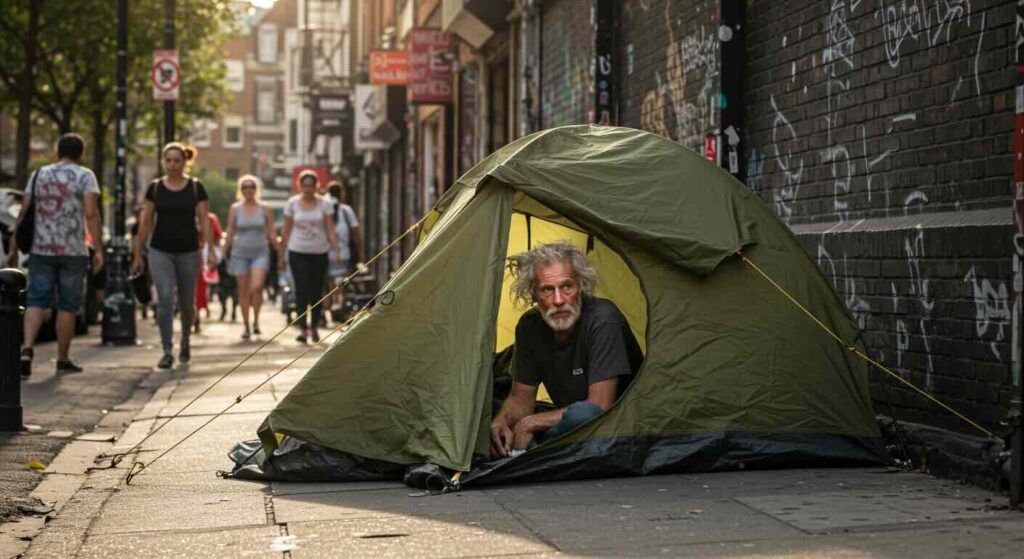
The sight of a 70-year-old sleeping in a doorway isn’t just tragic—it’s a sign that something is deeply broken in our society. Baby boomers didn’t expect this. They worked, paid taxes, raised families, and contributed to the economy. And yet, far too many are spending their final years struggling just to survive. We can—and must—do better.
Solving this crisis isn’t just about housing or healthcare or jobs. It’s about seeing humanity in every person, no matter their age or circumstances. It’s about creating a society where growing old doesn’t mean becoming invisible. That means Investing in real solutions, supporting community efforts, changing policies, and pushing back against ageism. It means taking a hard look at how we treat our elders—and deciding that we can’t accept this reality any longer. Because no one deserves to grow old on the streets.