

Forgiveness is one of the most powerful tools we have as human beings, yet it’s often the hardest to use. We carry the weight of pain, betrayal, anger, and resentment, and sometimes it feels impossible to put that burden down. You might be wondering, “Why should I forgive? What if the person doesn’t deserve it?” These are fair questions—real, raw, and deeply human. But the truth is, forgiveness isn’t about letting someone off the hook. It’s about freeing yourself from a prison built out of your own suffering. When we forgive, we don’t change the past. We change our future.
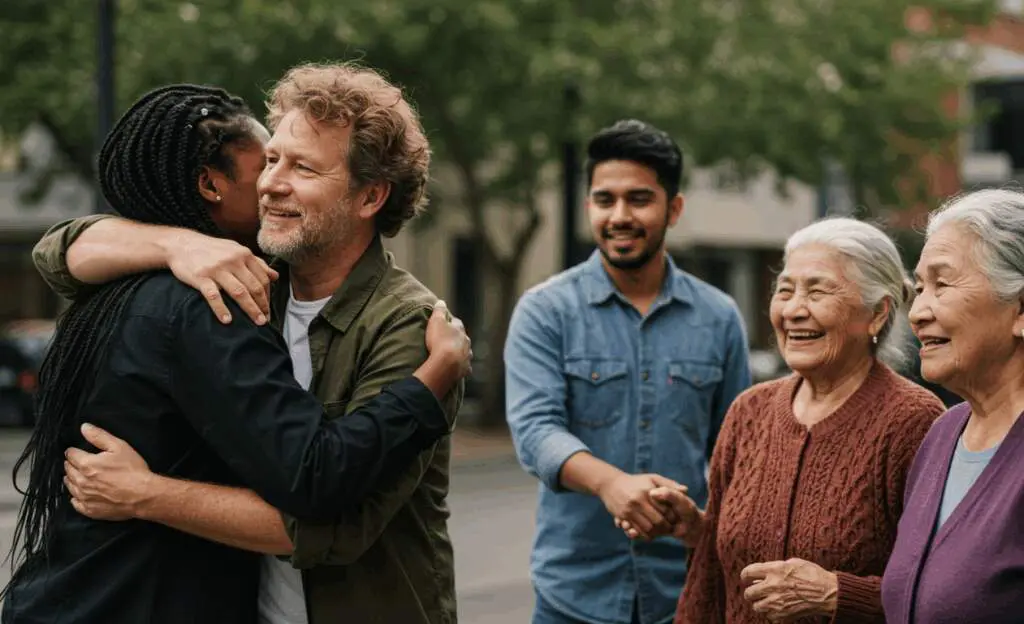
Forgiveness is often misunderstood. It doesn’t mean forgetting what happened, pretending it didn’t hurt, or giving someone a free pass to hurt you again. At its core, forgiveness is a decision—a powerful, liberating decision—to release resentment and thoughts of revenge. It’s the act of cutting the cord that ties you emotionally to the wrong that was done. When you forgive, you’re not saying that what happened was okay. You’re saying that you’re no longer willing to let that pain dictate your happiness, Health, or peace. Forgiveness is a reclaiming of your power. It’s about saying, “I’ve suffered enough, and I choose to stop suffering now.”
Some people think forgiveness needs to come with reconciliation. But that’s not always true. You can forgive someone without allowing them back into your life. In fact, many times, that’s the healthiest option. Forgiveness is for your healing, not theirs. It’s an act of self-care as much as it is an act of grace. Forgiveness is not a one-time event, either. Sometimes it’s a process. Some days you feel at peace, and other days the anger returns. That’s okay. It means you’re human. Keep choosing to forgive, again and again, until the grip of that pain loosens. You don’t forgive because they deserve it—you forgive because you deserve peace.
You’ve probably heard the phrase, “Forgive and forget.” But let’s be honest: that’s not how real life works. You can forgive someone and still remember the hurt. In fact, remembering helps us learn, grow, and set healthy boundaries. Forgetting, on the other hand, can sometimes leave us vulnerable to being hurt again. Forgiveness isn’t about erasing the memory; it’s about changing how that memory affects you. Think of it like healing a wound. The scar remains, but the pain no longer throbs every time you think about it. That’s what forgiveness does, it removes the emotional sting. Forgetting might be dangerous in some cases. If someone has consistently disrespected your trust or hurt you repeatedly, forgetting could mean ignoring red flags. Forgiveness doesn’t mean putting yourself in harm’s way. It means seeing things clearly and choosing to respond with Wisdom, not resentment. By separating forgiveness from forgetting, we can move forward without denying our pain or compromising our safety. It’s a balanced approach that honors both your experience and your healing.

Let’s bust some myths that keep people stuck in bitterness.
Myth #1: Forgiveness means weakness.
Nope. Forgiveness is a sign of emotional strength. It takes courage to release anger and choose peace.
Myth #2: You have to tell the person you forgave them.
Not necessarily. Forgiveness is internal. You don’t need anyone’s permission to heal.
Myth #3: Forgiveness means reconciliation.
Again, false. You can forgive someone and never speak to them again. Forgiveness is about your freedom, not the future of a relationship.
Myth #4: Time heals all wounds.
Time helps, sure. But it’s what you do with that time that matters. Forgiveness is an active choice, not just something that happens on its own.
Myth #5: You should only forgive if someone apologizes.
Waiting for an apology puts your peace in someone else’s hands. Don’t do that. Forgive for you—not for them.
These myths stop us from healing. Once we understand what forgiveness really is, we start to see it not as a burden, but as a blessing.
Did you know that unforgiveness is a hidden source of chronic Stress? When you hold onto pain, your body remains in a state of alertness—ready to fight or flee. This persistent stress response can lead to Anxiety, Depression, and even physical illness over time. Forgiveness interrupts that cycle. It’s like hitting the brakes on a runaway train of stress. Once you forgive, your nervous system begins to relax. You breathe deeper. You Sleep better. You start to feel like yourself again.
Several psychological studies have found that individuals who practice forgiveness experience lower levels of anxiety and depression. This is because forgiveness helps you shift your focus from what’s wrong to what’s possible. You start to let go of victimhood and step into empowerment. And when you forgive, your self-esteem can also improve. You no longer define yourself by what happened to you. You start to see yourself as someone who overcame, who healed, who grew stronger. That’s powerful. That’s freeing. That’s how transformation begins.
Unforgiveness is like mental clutter. It fills your brain with anger, frustration, and what-ifs. This emotional noise makes it harder to focus, problem-solve, and make sound decisions. You may find yourself easily irritated, distracted, or emotionally overwhelmed. But when you forgive, it’s like cleaning your mental house. The fog lifts. Your thoughts become clearer. You can finally focus on what matters instead of being consumed by what hurt you. Mental Clarity is one of the most underrated gifts of forgiveness.
Have you ever noticed how exhausting it is to constantly replay a painful moment? That’s cognitive overload. It’s like trying to run new software on an outdated computer—it crashes. Forgiveness allows you to delete those unnecessary files and free up mental RAM. Plus, clarity helps you make better choices in the future. You become more mindful, more present, and more capable of recognizing healthy versus toxic Relationships. It’s easier to set boundaries, identify your needs, and communicate them effectively. When you’re mentally clear, you make decisions from a place of wisdom instead of woundedness. That’s when life starts to shift in your favor.
Relationships are messy. Whether it’s a romantic partner, a Family member, a friend, or even a co-worker, people will inevitably hurt each other. Sometimes it’s intentional, sometimes not. But when trust is broken, it can feel like the entire relationship is shattered beyond repair. That’s where forgiveness steps in—not as a magic fix, but as the first brick in rebuilding what was broken.
Forgiveness is often the difference between moving forward together or drifting apart forever. When someone truly acknowledges their mistake and you choose to forgive, a new bond can be formed based not on perfection but on grace. That kind of bond is often stronger than the one you had before. It’s rooted in truth, Growth, and understanding.
But let’s be real: healing doesn’t happen overnight. It takes time, conversations, sometimes Therapy, and a whole lot of patience. Forgiveness opens the door to healing, but both people must walk through it. It requires accountability from the one who caused harm and boundaries from the one who was hurt. Even when relationships don’t fully mend, forgiveness helps you let go of the bitterness that keeps you emotionally tied to past pain. It allows you to find closure and, if necessary, peace in moving on. Not every broken relationship needs to be restored—but every broken heart deserves healing.

So, why should I forgive? Not because they asked for it. Not because they deserve it. But because I do. I deserve peace. I deserve joy. I deserve to live a life free from the shackles of bitterness, pain, and emotional exhaustion. Forgiveness isn’t a sign of weakness—it’s proof of my strength. It’s not about erasing the past but about reclaiming my future. When you forgive, you take control. You break the chain. You set yourself free. I can’t change what happened, but I can change what happens next. Choose peace. Choose growth. Choose freedom.