

At face value, buying a gravesite, or cemetery plot is a practical matter—it ensures there’s a designated place for burial, simplifies logistics for loved ones, and can reflect spiritual, cultural, or Family traditions. It’s also a way of making a long-term plan for something inevitable, which many people find gives a strange kind of peace. But beneath that, there’s something more symbolic going on. A cemetery plot isn’t just a patch of land—it becomes a marker of existence. A place where memory, mourning, and Legacy converge. It’s a tangible statement: “I was here.”
That said, not everyone feels the need for one. With rising interest in cremation, green burials, and even digital Memorials, some people are rethinking traditional approaches. The question then shifts from, “Why do I need one?” to “What kind of remembrance or closure feels meaningful to me and those I care about?” So, it becomes a bigger question than a Real Estate investment.
By considering these factors and making informed decisions, you can ensure your final wishes are fulfilled and ease the burden on your loved ones.
Traditional Burial Plots
Traditional burial plots are the most commonly purchased type of gravesite. They usually consist of a single space for one person, located in a cemetery. When people envision a gravesite, this is typically what they picture—rows of tombstones marking individual plots of land. Traditional plots may also be available for double depth (burials one on top of another) or side-by-side couples. The appeal of a traditional plot lies in its familiarity and simplicity. It provides a physical space where loved ones can visit, decorate with flowers, and reflect. Many families take comfort in being buried near each other in family plots. That’s another option: buying multiple gravesites together to accommodate future generations.
However, prices can vary dramatically depending on the cemetery’s location. Urban areas and historic cemeteries often have higher costs due to space limitations. Moreover, you might also need to pay for opening/closing the grave, perpetual care fees, and a headstone. In terms of long-term planning, owning a traditional burial plot allows families to avoid last-minute decisions under emotional Stress. It’s not just about reserving land; it’s about creating peace of mind knowing that your final resting place is secured.
Mausoleums and Crypts
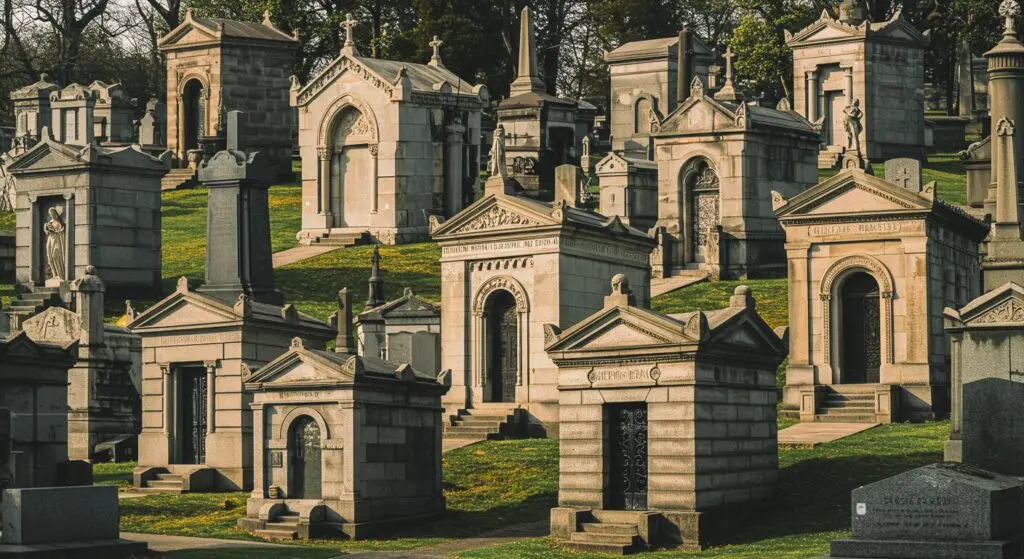
If you’re seeking a more premium or above-ground option, mausoleums and crypts are the way to go. Mausoleums are structures that house the remains in above-ground chambers, and they can be private (for a single family) or public (open to multiple families). Crypts, often part of mausoleums, are spaces within these buildings where caskets are entombed.
One of the main benefits of mausoleum entombment is the protection it offers against natural elements, and many people find it more hygienic and easier for ongoing maintenance. For some, it’s also about dignity and status—mausoleums are often considered more elegant and grander. While the costs are significantly higher than traditional plots, many people feel the investment is worthwhile for its long-term benefits. These structures often include climate control, marble interiors, and personalized engravings, adding to their value.
Columbarium Niches for Cremated Remains
For those opting for cremation, columbarium niches are a meaningful and respectful way to store urns. These are small compartments, often housed in walls or monuments within cemeteries or memorial parks, designed specifically for cremated remains. A major advantage of columbariums is space efficiency. Since urns take up less room than caskets, these niches are more affordable and easier to manage. Plus, they allow families to visit a centralized, sacred space, which might not be possible if ashes are scattered. Columbariums often provide options for inscriptions and decorative plaques, making it easy to personalize. In terms of environmental impact, many see cremation combined with columbarium placement as a more sustainable and responsible option compared to traditional burial.
Pre-purchasing a gravesite is not just a financial decision—it’s an emotional one. When you secure your final resting place in advance, it removes a significant burden from your loved ones during a time of Grief. They won’t have to make hasty decisions under stress or worry about honoring your preferences.
Think about it: when someone passes away, the family must deal with a flood of Emotions, arrangements, and logistics. Having one major detail—like the gravesite—already decided makes everything smoother. It’s a final act of Love and responsibility. Moreover, knowing where you’ll be laid to rest brings a strange but calming peace. It allows you to accept mortality in a practical, grounded way, and it helps you shape your legacy. For many, it’s not a morbid task, it’s an empowering one.
Planning a gravesite in advance also ties into legacy building. Families often purchase plots together to ensure continuity and unity, even in death. It allows future generations to visit a shared space and feel connected to their roots. Family plots are especially popular for those who want to maintain strong lineage traditions. They provide a central place for family history and memories, creating a permanent legacy. These plots often include headstones or monuments with the family name, offering visual testimony to your heritage. Additionally, legacy planning through gravesite purchases can include personal messages, epitaphs, or custom grave markers that reflect your values, beliefs, and personality. It’s one of the last chances you have to tell the world your story, so why not do it on your terms?
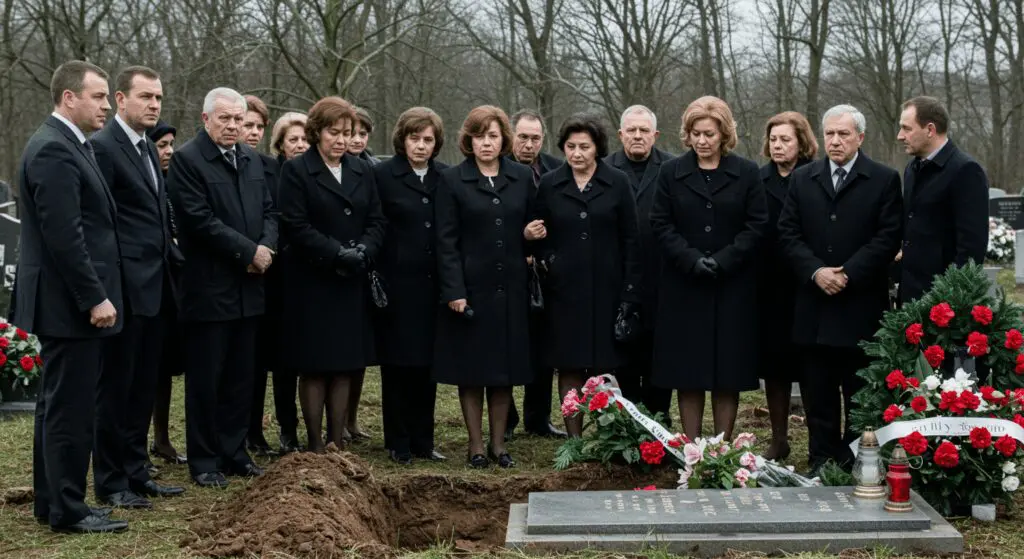
Perhaps the hardest part of buying a gravesite isn’t the cost or logistics—it’s starting the conversation. Many families avoid talking about death altogether, but this silence can lead to confusion and regret when the time comes. Having an open and honest conversation with your loved ones about your wishes helps ensure that everyone is on the same page. It gives your family the gift of Clarity and allows you to shape your final story in a way that feels authentic.
Buying a gravesite is about so much more than just securing a plot of land. It’s about peace of mind, legacy, emotional closure, and financial preparedness. It’s an investment in your final wishes and a powerful way to ease the burden on your loved ones.
Don’t wait until it’s too late. Planning ahead shows maturity, care, and foresight. It allows your family to grieve without guesswork and gives you control over your legacy. By understanding your options, whether traditional burial, cremation, or green alternatives, you can make an informed and meaningful choice. Take the time to research, visit cemeteries, and have heartfelt discussions with your family. In doing so, you’re not just planning for death—you’re honoring life.