
Retirement is supposed to be the golden age when you can relax, Travel, and enjoy the fruits of your lifelong labor. So why, then, are so many retirees like me still saddled with a mortgage? Carrying a mortgage into retirement has become more common than ever before. While past generations often entered retirement mortgage-free, today’s economic landscape has rewritten that narrative. The share of homeowners aged 65-79 with a mortgage rose from 24% in 1989 to 41% today. The percentage of homeowners aged 75 and older with a mortgage has almost tripled since 1998, reaching 30% today. 10.5 million housing units across the USA are owned by people 65 and older who still have mortgages.
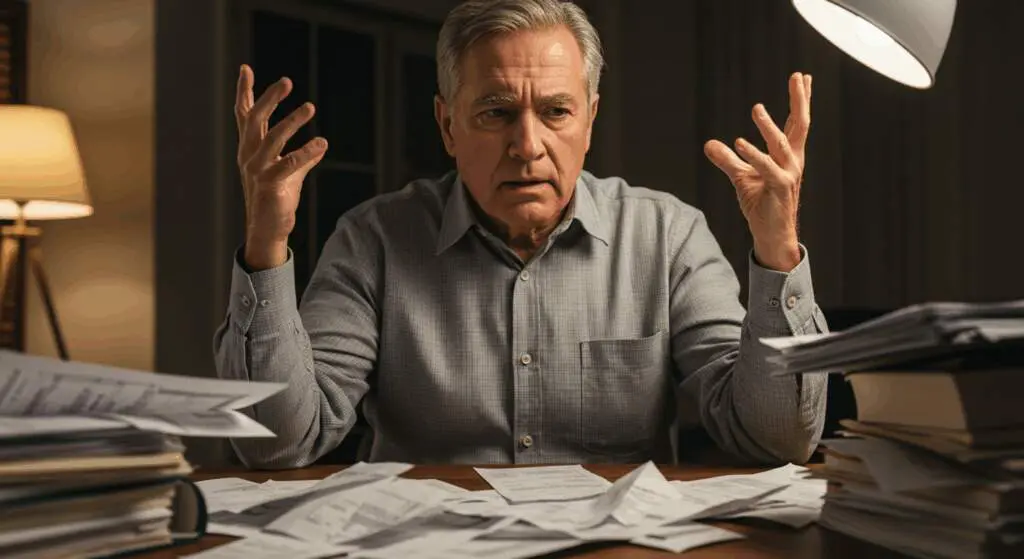
It’s easy to assume that mortgage debt in retirement is a sign of poor planning. But that’s not always the case. Some of the most common reasons people retire while still owing Money on their homes include:
1. Bought or Refinanced Late in Life:
Many people delay homeownership, especially those who rent while saving for a dream home. Some buy homes in their 50s or even early 60s, which means those 30-year mortgages are far from being paid off at retirement. Others refinance for better rates or to cash out equity, extending their loan terms.
2. Divorce, Second Marriages, and Blended Families:
Life happens. Divorce can force the sale of a home and the purchase of a new one, often with a mortgage. Second marriages might involve upsizing or relocating, again requiring financing.
3. Helping Children Financially:
From co-signing student loans to helping with down payments, many retirees use home equity to assist their children. This can add or extend mortgage debt.
4. Economic Downturns and Job Loss:
The 2008 financial crisis and recent events like the COVID-19 pandemic led to widespread job loss and economic instability. Some people had to dip into retirement savings or refinance their homes to stay afloat, pushing mortgage payoff further into the future.
Each of these scenarios show that having a mortgage in retirement isn’t necessarily about failure, it’s about adapting to life’s twists and turns.
Some retirees choose to keep their mortgage—and they have good reasons for doing so such as:
1. Low-Interest Rates:
Mortgage interest rates have hit historic lows in the past decade. When you’re paying 2% to 4% interest, it might make more sense to invest your cash elsewhere rather than paying off your mortgage early.
2. Keeping Cash Liquid:
For many, retirement is about managing liquidity. Tying up money in a mortgage payoff might not be the smartest move if it leaves you cash-poor for emergencies, travel, or healthcare needs.
3. Real Estate as Investment:
Some retirees see their home as part of an investment portfolio. They leverage mortgage debt to free up capital for stocks, rental properties, or business ventures, for a higher return than the cost of their loan.
4. Tax Considerations:
Mortgage interest is still deductible for many, especially in states with high income taxes. Keeping a mortgage can provide a valuable tax break that offsets part of the monthly cost.
So, while the idea of being “debt-free” may sound appealing, there’s often a method to the madness when retirees decide to hold onto their home loans.
You might have gone into your 50s thinking you’d pay off the house before retiring. But then—life happened. And suddenly, that plan got pushed aside.
1. Medical Emergencies and High Healthcare Costs:
An illness can drain savings faster than you’d expect. Many turn to home equity as a way to cover expenses, leading to new or extended mortgages.
2. Family Obligations:
Caring for an Elderly parent or raising grandchildren can create a financial burden. Some retirees borrow against their homes to fulfill these duties, sometimes out of Love, sometimes out of necessity.
3. Unplanned Home Repairs:
Roofs cave, pipes burst, and HVAC systems die. These costly repairs often require immediate cash, and if savings aren’t available, tapping into home equity becomes the go-to solution.
In these cases, carrying a mortgage isn’t about luxury, it’s about survival.
Money isn’t just numbers—it’s deeply emotional. And when you’re retired, those Emotions can become even more pronounced, especially when debt is involved. For many retirees, the idea of still owing money on their home feels like a personal failure. Others may experience Anxiety or Stress, constantly worried about what happens if they can’t make the next payment.
The mental weight of debt in retirement includes the feeling of loss of Security. Even if the payment is affordable, knowing that you don’t truly “own” your home can create a feeling of vulnerability. Another is the fear of outliving your assets. Many of us fear running out of money before the mortgage is paid off, especially if Health declines or unexpected costs arise. And a third reason is the Lifestyle limitations debt weighs on us. We may avoid travel or hobbies due to the burden of monthly payments, leading to a less fulfilling retirement.
And on the flip side, many of us are comfortable with debt. Some retirees are completely unbothered by their mortgage. They may have a solid investment portfolio, trust in their Pension or annuity, or simply believe that the financial benefits of keeping the mortgage outweigh the risks. These individuals often see the mortgage as a tool rather than a trap. The key takeaway? Your mindset matters. Financial decisions aren’t just about the math—they’re also about how those choices make you feel. Peace of mind is a form of wealth too.
Inflation is the silent thief of your retirement years. It slowly erodes your purchasing power, making everything from groceries to gas more expensive. But how does this affect your mortgage? The good news is that most traditional mortgages are at a fixed rate. That means while everything else around us gets more expensive, your mortgage stays the same. This can actually be a benefit in high-inflation environments. However, other home-related costs—like property taxes, insurance, and maintenance—do rise. If your budget doesn’t account for these creeping expenses, the stability of your fixed mortgage won’t mean much.
If you’re retired and still have a mortgage like me, you’re not alone—and you’re not necessarily in trouble. The world has changed and so have the financial paths people take to and through retirement. Whether your mortgage is a strategic choice or a financial necessity, what matters most is how you manage it. Retirement is about enjoying your life—not stressing over your bills. With thoughtful planning, and the right mindset, you can carry your mortgage—and still carry on.