

“Kidult” is a blend of the words “kid” and “adult.” It describes an adult who engages in interests or activities traditionally associated with children. But let’s be clear—it doesn’t mean immaturity. Kidults are often responsible adults with jobs, bills, and obligations, yet they actively choose to integrate elements of childlike joy into their adult lives. Whether it’s collecting LEGO sets, watching cartoons like Adventure Time or Rugrats, or dressing up for Comic-Con, these behaviors are embraced rather than hidden. This identity isn’t rooted in regression; it’s about reclaiming joy. Being a kidult is often a form of self-expression. It’s a pushback against rigid adulthood expectations. And in a society that often prizes Burnout culture, choosing fun becomes a quiet act of rebellion.
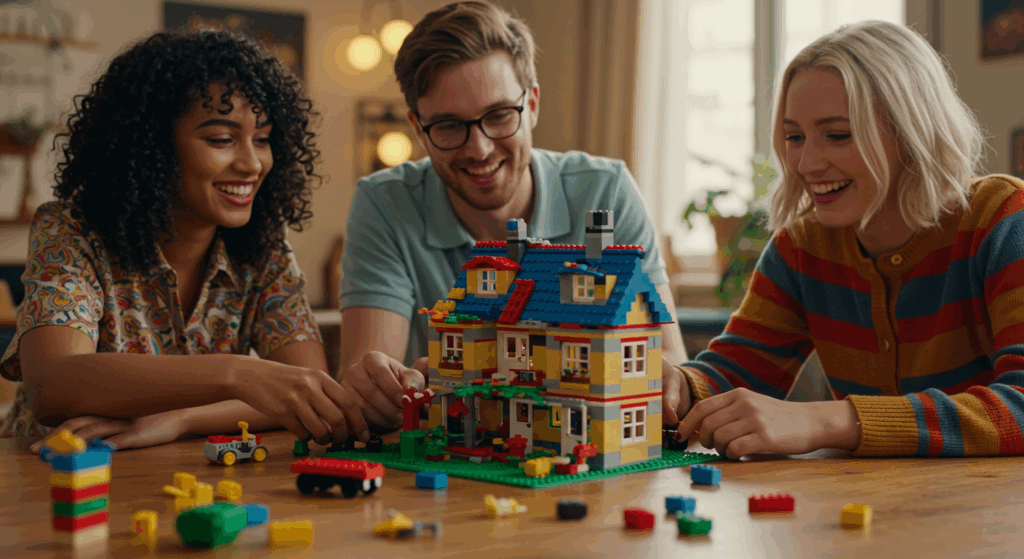
Millennials—those born roughly between 1981 and 1996—are the dominant generation driving this trend. Why them? Unlike Gen Z who grew up entirely in the digital era or Gen X who leaned more toward traditional adulthood norms, millennials were uniquely positioned. They had analog childhoods but matured in a digital explosion. They grew up with Saturday morning cartoons, Tamagotchis, and arcades, and then witnessed the rapid transformation into smartphones, apps, and hyper-connectivity. This generation has essentially experienced the best of both worlds—physical and digital, simplicity and complexity. That duality often triggers a yearning to return to a time when life felt easier, hence the rise in kidult behavior.
Kidulting isn’t an entirely new concept. Even in the 1950s, you had adults enjoying hobbies like model trains or comic books. However, back then, such interests were often frowned upon once one hit a certain age. Fast-forward to today, and you see massive comic conventions, billion-dollar superhero movie franchises, and adult-oriented animated series dominating pop culture.
The stigma has slowly eroded. Brands have adapted, reviving nostalgic products for adult audiences—just look at the return of the Tamagotchi or the surge in adult LEGO sets. What changed? Society started to value emotional intelligence, Mental Health, and self-expression. These shifts allowed people to explore what genuinely made them happy—regardless of age norms.
One of the strongest psychological drivers for millennial kidults is nostalgia. In times of uncertainty, people naturally gravitate towards the familiar. And for millennials, childhood represents a sanctuary before economic instability, global pandemics, and relentless digital Stress became the norm.
Rewatching an old cartoon or playing with retro toys isn’t about regression—it’s about psychological self-care. That warm, fuzzy feeling you get from hearing an old theme song or seeing your favorite character? That’s your brain accessing a memory of emotional safety. Studies back this up: nostalgia can boost mood, reduce stress, and improve social bonding. Kidulting becomes more than fun—it’s therapeutic.
Many millennials are hitting traditional adult milestones later than previous generations. Whether it’s moving out, getting married, or having kids, these life events are often postponed. But this isn’t always by choice. Skyrocketing rent prices, career uncertainty, and a fragile Economy mean that adulthood looks very different than it did for their parents. This delay has created a cultural space where embracing youthful interests doesn’t seem out of place. If you’re not tied down by a mortgage or school schedules, why not relive parts of your youth? The result? A generation reconfiguring adulthood on its own terms—where maturity and play can coexist.
The weight of student debt has shaped much of the millennial generation’s life trajectory. Unlike previous generations, millennials entered the workforce during or just after the 2008 financial crisis, and many are still playing catch-up. With student loans often taking decades to pay off, discretionary income is limited. When you’re constantly juggling bills and debts, Investing in a home or starting a Family may feel out of reach.
So, where does kidulting fit into this? Well, it’s cheaper to indulge in nostalgic hobbies than commit to traditional adult milestones. Buying a vinyl record, joining a retro gaming community, or collecting figurines offers immediate joy at a lower price tag than a vacation or new car. When future goals seem unreachable, smaller, more attainable joys become appealing alternatives. These low-cost indulgences serve as both a dopamine hit and a temporary escape from financial pressure. Plus, in an era where ownership (like houses or cars) is being replaced with access (like subscriptions or Streaming), millennials have redefined what it means to “have it all.” Sometimes, it’s not about Real Estate, it’s about reliving your favorite childhood game without guilt.
Stable, long-term jobs with benefits and pensions are becoming relics of the past. The gig economy—characterized by freelance work, short-term contracts, and side hustles—has taken over. While this allows for flexibility, it often lacks the Security and structure needed to build a traditional adult life.
This job instability creates a sense of rootlessness. In such a world, routine can be comforting, and nothing says “routine” like watching the same cartoon you loved at age 10. The unpredictability of gig work makes the predictability of childhood routines more attractive. Moreover, when your work-life balance is skewed or you’re constantly hustling, your brain craves downtime. That downtime often comes in the form of “kidult” Entertainment—light, humorous, and reminiscent of simpler times. Whether it’s unwinding with an old-school video game or bingeing a childhood series, these moments of joy become essential resets.
Millennials are marrying later, buying homes later, and having children later—or not at all. According to recent surveys, many millennials feel that these milestones are either unaffordable or not aligned with their current values. And let’s not forget the global pandemic, which further delayed life planning for countless individuals.
As a result, traditional markers of adulthood no longer serve as identity anchors. In their absence, many millennials are forming identities around hobbies, fandoms, and experiences. Owning a Harry Potter wand replica or wearing a superhero tee isn’t just a style—it’s a statement: “This is who I am, and I don’t need a mortgage to prove it.” The gap left by these delayed milestones is filled with joy-seeking behavior. And kidulting provides just that—joy, comfort, and a sense of belonging, all wrapped in familiar colors and characters.
Social media has amplified the kidult trend tenfold. Platforms like TikTok, Instagram, and Reddit are filled with creators showcasing their collections, favorite childhood snacks, or reactions to nostalgic moments. These platforms validate kidult behavior, making it not only acceptable but trendy.
You no longer have to hide your Love for Saturday morning cartoons. In fact, sharing that passion might earn you likes, followers, and even monetization opportunities. Social media normalizes these behaviors and helps build global communities around them. Memes, viral challenges, and nostalgia-driven content also keep childhood memories alive. A simple viral tweet about Rugrats or Power Rangers can spark a massive wave of reminiscing and engagement. The digital world has become a playground where past and present coexist seamlessly.
Influencers are the modern torchbearers of the kidult movement. Through platforms like YouTube, TikTok, and Instagram, they share unboxing videos, game reviews, nostalgic reactions, and even day-in-the-life vlogs built around kidult lifestyles. And their audiences? Often millions strong. They normalize—and even glamorize—childlike joys in adulthood. They turn once-private passions into public celebrations. For viewers, this provides both validation and inspiration. If someone can build a career around reviewing vintage toys, then surely, it’s okay to still love cartoons at 35. The online communities also create a sense of belonging. Whether it’s Reddit threads on 90s TV shows or Facebook groups for collectors, these digital spaces reinforce that kidulting isn’t weird, it’s widespread and celebrated.
Today’s hottest Millennial toy buy is Labubu, which is a plush toy character with a round furry body, pointy ears, wide eyes and a snaggle-toothed grin. She falls under the category of “blind box toys”, meaning that when you buy one, you have no idea which one you are getting. And they are constantly selling out. My daughter checks her phone daily to catch the next new offering, much like thousands of her peers are also doing. But this obsession for cheap collectables has been around for decades. Think about the Beanie Babies craze or the Cabbage Patch Kid riots of the 1980’s.
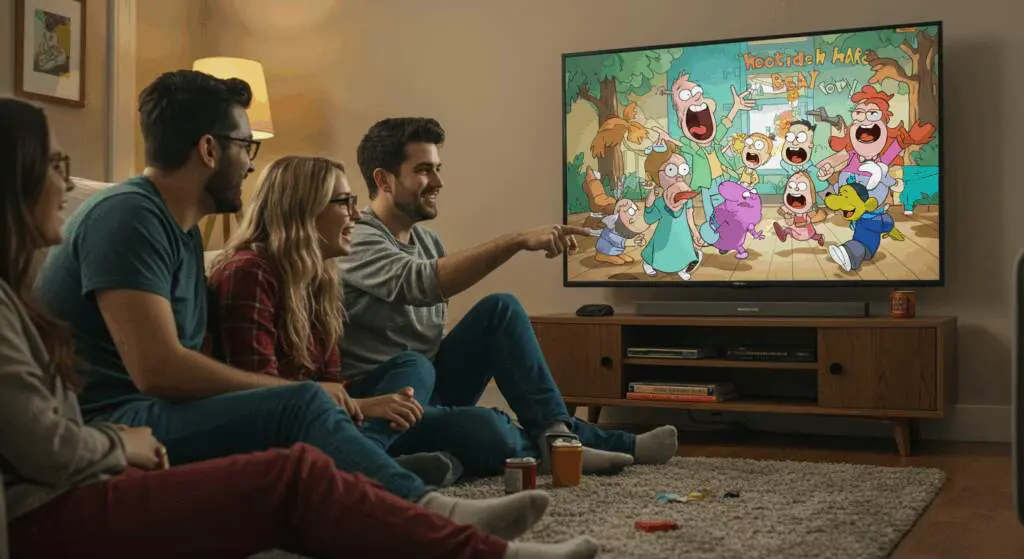
Millennial kidults are not confused, irresponsible, or regressing. They’re adapting. They’re building new frameworks for adulthood that include joy, community, and emotional wellness. In a world where stress is high and stability feels elusive, kidulting offers relief, identity, and belonging.
Whether it’s through nostalgic hobbies, geeky fandoms, or emotionally resonant marketing, this trend reflects deeper truths about the millennial psyche. They’re not just chasing their past—they’re reshaping the future on their own terms. So, the next time you see a 40-year-old proudly wearing a Mario T-shirt while sipping coffee from a Powerpuff Girls mug, don’t judge—understand. They’re not stuck in the past. They’re making the present more bearable, joyful, and meaningful.