

Technology is revolutionizing home care in 2025, making it more efficient, accessible and personalized. Here’s how various technological advancements are shaping the future of home care:
By 2025, home monitoring technology has become a cornerstone of Elderly care, allowing seniors to live independently for longer periods. Smart sensors track daily activities, detect patterns and alert caregivers to potential issues. These sensors monitor both motion and lack of motion, ensuring the safety of home care clients.
Telehealth services have surged, enabling patients to consult healthcare providers via video conferencing and digital platforms. This reduces the need for physical visits, making healthcare more accessible, especially for those with mobility challenges or in remote areas.
Remote patient monitoring (RPM) systems allow healthcare providers to track patients’ Health data through electronic devices. By 2025, over 70 million Americans are expected to use remote patient monitoring, leading to better health outcomes.
AI and machine learning are being integrated into home care workflows for predictive analysis, at-risk patient identification and resource allocation. These technologies help with early detection of potential health issues, allowing for more proactive care.
“Technology has the potential to not only solve problems but also to improve lives.”
-Ada Lovelace
Wearable technology has become more prevalent, offering real-time health monitoring that greatly benefits seniors. These devices track vital signs such as heart rate, blood pressure, and glucose levels, transmitting data in real-time to healthcare providers.
Mobile applications help individuals with medication reminders, fitness tracking, dietary management, and Mental Health support. These apps encourage patients to participate more actively in their care, leading to better health outcomes and patient satisfaction.
Smart home technology, including voice-activated assistants like Amazon Echo or Google Home, allows clients to control lights, appliances, and locks with simple voice commands, enhancing both convenience and independence.
Innovations like virtual reality are helping to reduce loneliness and isolation among seniors by fostering engagement and social connection.
These devices release the correct dose of medication at scheduled times, reducing the risk of missed or incorrect doses, especially for those managing multiple prescriptions.
By integrating these technologies, home care in 2025 is becoming more personalized, efficient and responsive to individual needs. This technological transformation not only enhances the quality of care but also significantly improves the quality of life for individuals receiving home healthcare services.
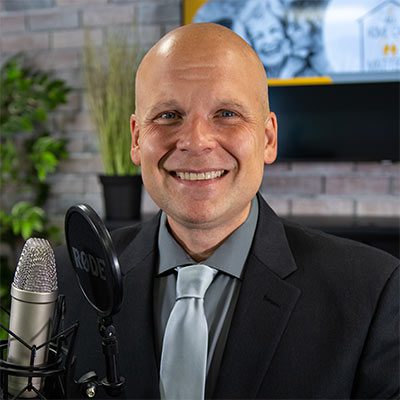
Lance A. Slatton is a senior case manager at Enriched Life Home Care Services in Livonia, MI. He is also host of the podcast All Home Care Matters, a podcast and YouTube channel. The channel earned the YouTube Creator Award for surpassing 100,000 subscribers.