
Ever accidentally found out the unfiltered, negative things someone thinks about you?
I have and it can be quite an emotional moment 😭.
A few years ago, when I was googling my name (I highly recommend everyone does this btw), I discovered a really vicious video about me uploaded on YouTube.
The video consisted of 10 minutes of a person on camera saying nasty things about me (“he’s scum of the earth”, “he should f**king die”, etc) 😳.
He had made the video because he felt cheated that I had ripped him off over an eBay purchase and this was his way to get back at me.
The thing was, this video had been upload in 2008 and I was completely oblivious to its existence until 10 years later 🤷🏻♂️.
It had sat there for years and I was none the wiser; it’s barbs had no effect on my Emotions or my behaviours.
The interesting thing however was the wave of hurt I felt when I saw the video in 2018 ☹️.
Even though it referred to an event that was long in the past and a me that was quite the different person, I felt angry and I must have rewatched the video 4 times in a row before I calmed down.
It’s a classic example of how emotion will always trump logic in the short term and it was very similar last year when I enraged the trolls of LinkedIn Lunatics on Reddit and got really hurt by the unsubstantiated comments thousands of people made about me.
Considering my job as an EQ expert, you’d think I’d be better at dealing with stuff like this but I’m still a human being 🫂.
Unexpected feedback hurts more when it is from someone you know
Whilst those examples were bad, far worse was the time I got accidentally copied onto an email from my bosses at work discussing what they thought of me 🙈.
I was horrified to read some of the negative comments made by one person in that email thread — maybe they didn’t send it to me by accident 🤔.
That took me a while to get over and, to be honest, I never told anyone about it; deciding to bury my head in the sand instead.
Unfortunately something similar, and closer to home, happened a few nights ago; I was scrolling on Instagram and came across a story from a friend who was talking directly about me 😳.
They were telling a personal story I had told them not long before.
However they were telling it in a negative way to make a point about a certain type of person; although it was anonymised, I knew instantly it was my story and, although I was surprised to have been characterised in that particular way, I was more shocked at the negative description that started the story.
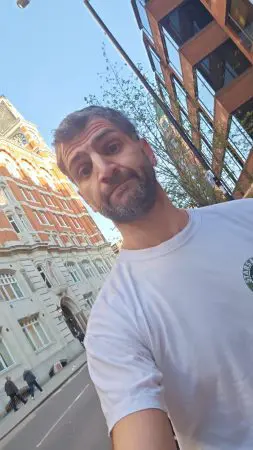
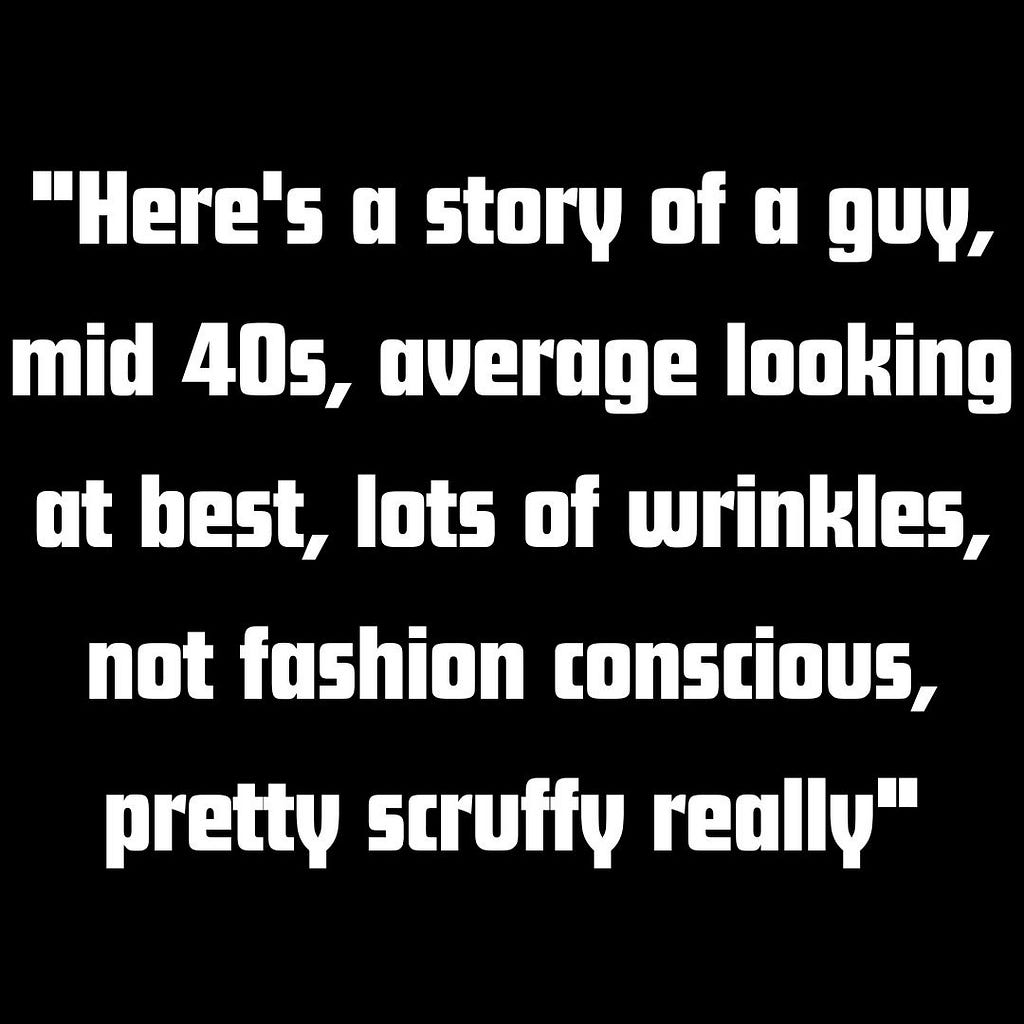
“Here’s a story of a guy, mid 40s, average looking at best, lots of wrinkles, not fashion conscious, pretty scruffy really…”
The friend in question had assumed I didn’t follow them on Instagram so felt free to say those things.
When I watched the video, I was absolutely shocked and watched it over and over 🔂.
“Is this really what the person thinks of me?” is all I could think.
How to deal with it
Fortunately I’ve grown a lot better at dealing with feedback and having difficult conversations since that email incident (thanks largely to all the rejection that comes with being a start-up founder) so this time I wanted to deal with it in a better manner 💪.
Here’s the playbook I followed:
Yes I am in my 40s. Yes, I’m not everyone’s cup of tea looks wise. Yes I have wrinkles. And Yes, my dress sense had become a lot more casual since Covid 👕
2. Decide what elements of the feedback you believe and actually care about — I’m a fan of looking for themes in feedback and giving more weight to certain opinions over others.
In this case, the fashion feedback had been told to me before and it clearly is a sticking point in how people perceive me 🤔
3. Decide what changes to make — sometimes this will be to make a change and other times the decision will be to make no change; which is fine, just making a decision and saying it out loud is a good step.
In this case I decided that I do want to put about 20% more effort into my dress sense 👔
4. Decide what to do about the relationship — does the other person mean something to you?
In the work situation above, I didn’t want to rock the boat but here I valued the friendship and I had long ago realised that a problem left festering is a problem that grows quickly. So, I simply picked up the phone and rang my friend to talk about it calmly 📞
This last step was actually the most important of the four.
I have made the mistake of muddying friendships a few times in recent years over incidents like this (fortunately not as bad as when I pissed off work people earlier in my career) and so I was determined not for this to be another casualty.
I’m so glad I just picked up the phone because I truly believe bad conversations should not be done over text.
We ended up speaking for over an hour and I got a chance to explore the feedback in a calm manner. More than that, our friendship came out even stronger as a result 🙌.
Raw feedback is often the jolt we need
Nobody likes to really hear the unfiltered way they come across but this can sometimes be the thing we really need.
It’s why the concept of Radical Candour exists and it’s why the world would be a better place if everyone was better at giving and receiving feedback.
Ideally, you shouldn’t have to find it out by accident but I, hand on heart, would rather find it out that way rather than never at all (and just have people thinking it).
So, ultimately this is a story of thanks.
As such, I wish some element of unexpected, raw, negative feedback to you all…and plenty of raw, positive feedback too. If you’re brave enough, go seek it out rather than wait for it to come looking for you 😊
Faris
Faris is the CEO and Founder of Shiageto Consulting, an innovative consultancy that helps firms and individuals sharpen their effectiveness. Connect with him here
Success = IQ x EQ x FQ
Want to assess your levels of IQ, EQ and FQ? click here
Originally Published on https://farisaranki.medium.com/