
Have you ever considered the profound power of a promise, the silent weight of an oath? From the solemn vows of public office to the guiding principles of community organizations, oaths serve as unspoken contracts that bind individuals to a set of ideals, responsibilities, and ethical standards. They are more than just words; they are foundational declarations that shape behavior, define purpose, and, perhaps most importantly, lay the groundwork for effective leadership.
In this post, we’ll delve into a fascinating comparison of several widespread oaths, exploring how they implicitly or explicitly define the principles of leadership. By examining these diverse commitments, we can uncover universal truths about what it means to lead with integrity, purpose, and impact. These aren’t just historical relics; they are living documents that continue to inspire and guide millions, offering invaluable insights into the very essence of leadership frameworks.
Our journey begins with the oaths taken early in life, often within youth organizations. These pledges are designed to instill core values and a sense of responsibility from a young age, forming the bedrock upon which future leadership capabilities can be built.
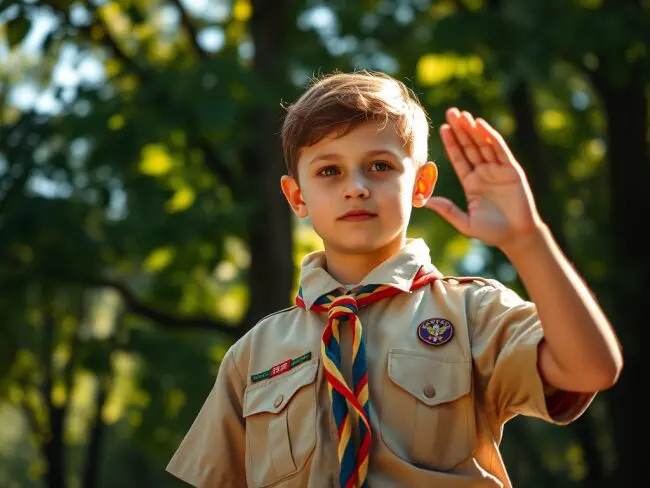
The Boy Scout Oath is a well-known declaration of commitment to duty, service, and personal integrity:
“On my honor I will do my best To do my duty to God and my country and to obey the Scout Law; To help other people at all times; To keep myself physically strong, mentally awake, and morally straight.”
Accompanying this is the Scout Law, a list of twelve virtues:
“A Scout is trustworthy, loyal, helpful, friendly, courteous, kind, obedient, cheerful, thrifty, brave, clean, and reverent.”
Leadership Framework Insights: These tenets directly translate into a powerful leadership framework. A Scout leader, for instance, is expected to lead by example, demonstrating trustworthiness and loyalty to their troop and the organization’s mission. The emphasis on “helping other people at all times” cultivates a service-oriented leadership style, where the well-being and development of the group are prioritized. “Physically strong, mentally awake, and morally straight” speaks to the importance of a leader’s personal resilience, intellectual curiosity, and unwavering ethics. These aren’t just rules; they are aspirational qualities that foster a leader’s ability to guide, inspire, and build character in others. The Scout Law, in particular, provides a comprehensive ethical compass for daily decision-making, crucial for any leader navigating complex situations.
While sharing the broader Scouting ideals, Cub Scouts have a slightly different, age-appropriate emphasis. Their Cub Scout Promise is:
“I, (name), promise to do my best. To do my duty to God and my country, To help other people, and To obey the Law of the Pack.”
And their Cub Scout Motto is simple yet profound:
“Do Your Best.”
Leadership Framework Insights: The Cub Scout motto, “Do Your Best,” might seem less formal, but it’s a powerful lesson in effort and continuous improvement. For young leaders, it instills the idea that leadership isn’t about perfection, but about consistent dedication and striving for excellence within their capabilities. The “Law of the Pack” (which states, “The Cub Scout follows Akela. The Cub Scout helps the pack go. The pack helps the Cub Scout grow. The Cub Scout gives goodwill.”) introduces concepts of teamwork, mutual support, and following guidance, essential precursors to more formal leadership roles. This progression highlights how foundational leadership principles are introduced incrementally, building from personal effort to collective responsibility.
Moving into high school, the Key Club Pledge emphasizes service and community building:
“I pledge, on my honor, to uphold the Objects of Key Club International; to build my home, school and community; to serve my nation and world; and combat all forces which tend to undermine these institutions.”
Leadership Framework Insights: Key Club’s pledge broadens the scope of service from personal and local to national and global. This oath fosters leaders who are not only committed to their immediate surroundings but also possess a global perspective and a sense of civic responsibility. The phrase “combat all forces which tend to undermine these institutions” speaks to a proactive, protective form of leadership—one that recognizes threats to societal well-being and actively works to counter them. It encourages leaders to be advocates for positive change and guardians of the values that strengthen communities.
The 4-H organization, focused on youth development in agriculture and leadership, has a pledge that connects the head, heart, hands, and Health to service:
“I pledge my Head to clearer thinking, My Heart to greater loyalty, My Hands to larger service, and my Health to better living, for my club, my community, my country, and my world.”
Leadership Framework Insights: The 4-H pledge offers a holistic approach to leadership, emphasizing the development of the whole individual. Pledging the “Head to clearer thinking” highlights the importance of critical thinking, problem-solving, and informed decision-making—intellectual pillars of effective leadership. “My Heart to greater loyalty” speaks to emotional intelligence, dedication, and commitment to one’s group and cause. “My Hands to larger service” underscores action-oriented leadership and practical contribution, demonstrating that leadership isn’t just about ideas but about tangible effort. Finally, “my Health to better living” recognizes the necessity of personal well-being and resilience for sustained leadership. The pledge’s progression from “my club” to “my world” also illustrates a growing sense of responsibility and impact, mirroring the expanding scope of a leader’s influence.
Beyond youth organizations, formal oaths become even more critical, defining the ethical boundaries and responsibilities of professionals and public servants.
Rotary International, a global service organization, doesn’t have a single “oath” for all members, but its guiding ethical framework is the widely recognized Four-Way Test:
“Of the things we think, say or do:
Leadership Framework Insights: The Four-Way Test is a powerful tool for ethical decision-making in leadership. It pushes leaders to consider the broader implications of their actions, moving beyond self-interest to a more holistic view of impact. “Is it the TRUTH?” emphasizes transparency and honesty, crucial for building trust. “Is it FAIR to all concerned?” demands equity and impartiality, ensuring that decisions benefit all stakeholders. “Will it build GOODWILL and BETTER FRIENDSHIPS?” highlights the importance of relationship-building and collaboration. Finally, “Will it be BENEFICIAL to all concerned?” is a call for altruistic and impactful leadership, where the ultimate goal is positive collective outcomes. This test serves as a constant internal audit for leaders, ensuring their actions align with high ethical standards.
The Benevolent and Protective Order of Elks (BPOE) emphasizes community service and fraternal bonds. While their full initiation obligation is private, their public Mission Statement reflects their core values:
“To inculcate the principles of Charity, Justice, Brotherly Love and Fidelity; to recognize a belief in God; to promote the welfare and enhance the happiness of its Members; to quicken the spirit of American patriotism; to cultivate good fellowship; to perpetuate itself as a fraternal organization, and to provide for its government, the Benevolent and Protective Order of Elks of the United States of America will serve the people and communities through benevolent programs, demonstrating that Elks Care and Elks Share.”
Leadership Framework Insights: The Elks’ mission highlights fraternal leadership rooted in benevolence and mutual support. The principles of Charity, Justice, Brotherly Love, and Fidelity are central. For leaders within the Elks, this means fostering a supportive environment for members, ensuring fair treatment, and actively engaging in community welfare initiatives. The emphasis on “American patriotism” also underscores a form of leadership that is deeply connected to national identity and civic pride. This framework demonstrates leadership through collective action and a shared commitment to improving the lives of others within a defined community.
One of the most ancient and revered professional oaths is the Hippocratic Oath, taken by physicians. While modern versions vary, core tenets include:
Leadership Framework Insights: The Hippocratic Oath provides a powerful lens for ethical leadership in high-stakes environments. Leaders in healthcare, or any field where decisions directly impact human well-being, must embody the principles of responsibility, empathy, and patient-centeredness. The “do no harm” principle extends beyond direct action to encompass systemic decisions that could negatively affect those they lead or serve. It also emphasizes continuous learning and mentorship (“to teach the art of medicine”), recognizing that true leadership involves developing the next generation of practitioners and upholding the highest professional standards.
In the realm of public service, oaths of office are fundamental. The Oath of Office for the U.S. President, for example, states:
“I do solemnly swear (or affirm) that I will faithfully execute the Office of President of the United States, and will to the best of my ability, preserve, protect and defend the Constitution of the United States.”
Similar oaths are taken by military personnel and members of the judiciary, pledging to support and defend the Constitution.
Leadership Framework Insights: These oaths represent the pinnacle of public service leadership. They underscore an unwavering commitment to foundational principles (the Constitution) over personal or political expediency. Leaders taking these oaths are bound by accountability to the rule of law and the citizens they serve. The act of “preserving, protecting, and defending” implies a proactive and steadfast approach to leadership, especially in times of challenge. This framework demands leaders who are principled, resilient, and dedicated to the long-term stability and well-being of the nation, often requiring immense personal sacrifice.
Despite their varied origins and specific wordings, these oaths reveal striking commonalities that form the bedrock of effective leadership, while also highlighting nuanced differences that cater to their unique contexts.
Across all these oaths, several recurring themes emerge as essential components of any robust leadership framework:
While the core principles are shared, the oaths also showcase fascinating differences in their application and scope:
These oaths are not merely historical artifacts or ceremonial recitations; they are living documents that actively shape the behavior and decision-making of those who take them. For individuals, they provide a moral compass, a constant reminder of the ideals they have pledged to uphold. For organizations, they define culture, set expectations, and provide a framework for evaluating leadership effectiveness.
In a world that often grapples with ethical dilemmas and leadership crises, revisiting these fundamental declarations offers valuable guidance. They remind us that true leadership is rooted in a profound commitment to principles that transcend personal gain—principles of integrity, service, responsibility, and a dedication to the well-being of others.
As you reflect on these diverse oaths, consider the “unspoken contracts” that guide your own life and work. What principles do you inherently uphold? How do you define leadership in your own context?
These oaths provide a rich tapestry of Wisdom, demonstrating that regardless of the specific words, the essence of great leadership lies in a steadfast commitment to noble ideals and a relentless pursuit of a better world.
Author’s Notes: I realize these cited examples are biased to very “western” organizations. Nothing is implied socially. morally or ethnically by the references. Rather, the thought is intended to inspire reflection about one’s framework for leadership.
The post The Unspoken Contracts: How Oaths Shape Our Understanding of Leadership appeared first on Business Advisor and Executive Coach | Doug Thorpe.