
Illustration by bauhaus1000
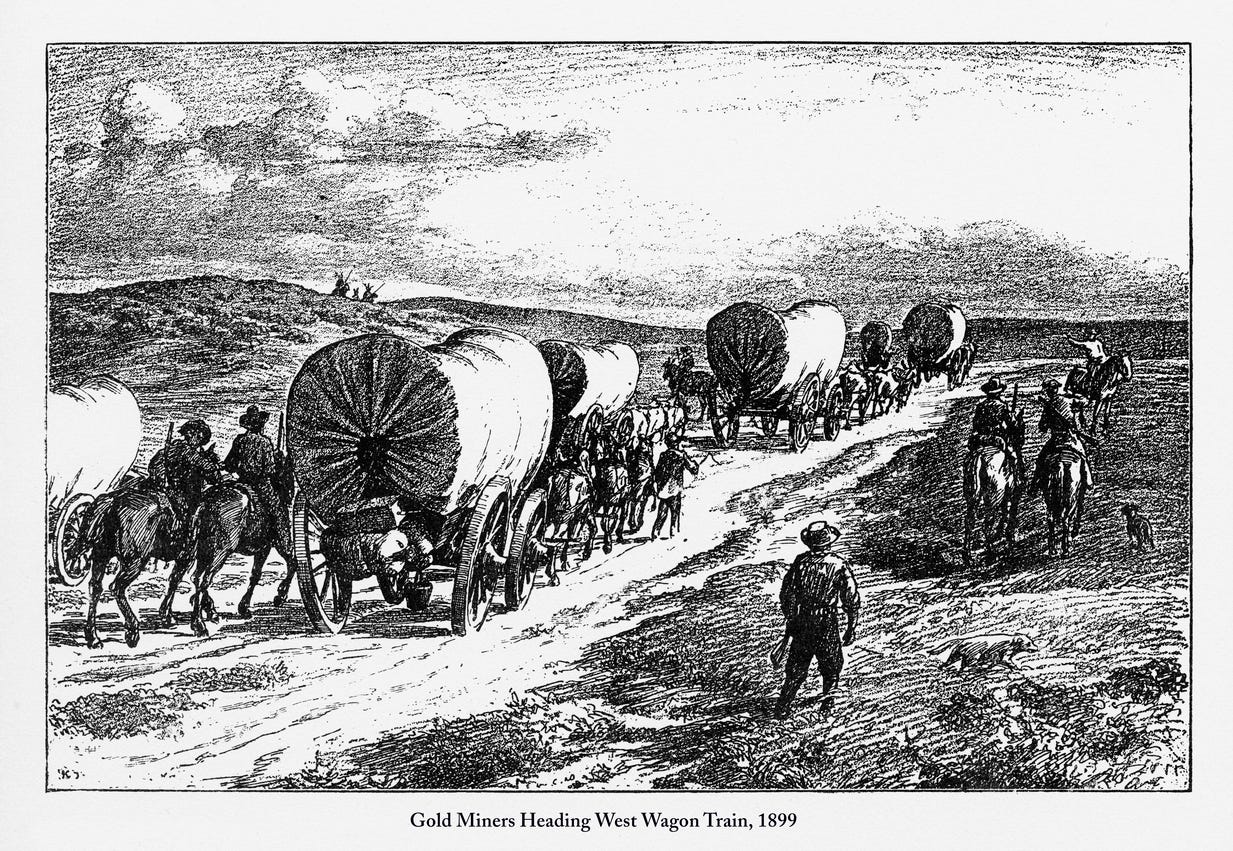
One of my bosses was fond of saying, “You can always tell the pioneers. They’re the ones with the arrows in their backs.” Whether we like it or not, when it comes to Aging, we are the pioneers. We are venturing into unexplored territory.
We’re talking about a new stage of life that humanity has never experienced before. It is so new that it hasn’t got a name yet. Ken Dychtwald, founder and chief executive of Age Wave, calls it life’s Third Age. Aviva Wittenberg-Cox, an internationally known expert on Longevity, calls it the Fourth Quarter. Gerontologist Louise Aronson calls it Elderhood. Writer Richard Eisenberg calls it Unretirement. I call it The AfterWork.
Whatever this stage is ultimately labeled, it is new, and you and I are the pioneers, busily working to figure out what to do with it. It is a new life stage created by the intersection of two trends: The enormous number of older adults who were born immediately after the end of World War II (a.k.a. Baby Boomers), and the medical advances that are making longer lives a reality for many of us.
In the traditional life blueprint, there were three ages – an Education period (20 years), a work and Family period (40 years), and Retirement (5-15 years). But today, the majority of us who have reached the age of 60 can expect to live another 25, 30, maybe even 35 years. An unusually large number of us will live to be 100.
These “bonus” years are unprecedented. We pioneers are determining what shape they will take for our generation and generations to come.
The one shape they certainly will not take is that of traditional retirement – that is, retirement in the sense of withdrawal from the world, with nothing to do, nowhere to go, no responsibilities, and no useful purpose other than to wait patiently for Death’s arrival. If you had only 5 to 15 years to live after leaving the work world, that would be one thing. But 25 years? That notion of retirement is a recipe for boredom and Depression.
So we have this new stage, The AfterWork (or substitute your own favorite label). It gives us enough time to do something completely different with our lives. We could make a career change and start down a new path. We could re-ignite an interest in music, art, writing, or theatre, that “impractical” passion we set aside to be responsible adults. We could start our own business. We could give back by Volunteering time for causes we believe in.
We are the first generation to have these bonus years, with all the opportunities they offer. It’s good news that we have more time to live and explore. The bad news is that we have no guidelines to follow about how to do this.
Does that sound familiar? Perhaps you recall that in our callow youth, we were hellbent on breaking the rules our parents laid down and setting our own course. We had our own fashion, our own music, our own intoxicants and hallucinogens, our own political and social causes. It was a brave new world, and we were making it up as we went along. And here, at the far end of our lifetimes, we are destined to do it all over again.
It takes courage and a leap of faith to be a pioneer. We can’t follow rules that don’t yet exist. Boldly or cautiously, we must go forward. We must be willing to take a few chances and tolerate a high level of uncertainty. But here’s more good news: It doesn’t really matter if we screw up now and then. The stakes are lower than they have ever been. By this time in our lives, we’ve already met our most significant obligations. We worked, we made Relationships, we paid our taxes and our bills. If we set a new course and end up on the rocks, it’s no big deal. It was just an experiment. We learn from it, and we start again. People are not depending on us like they once did. We’re old enough not to care what others think, wise enough to realize our happiness is not contingent on winning every contest.
In this new phase of life, we have the potential to do great things. We have the time, the experience, the practical Wisdom to be a valuable resource to younger generations. In addition, just as in our youth, the sheer numbers of us present the opportunity to make a significant impact on our world.
We’re not retiring. We’re not done yet. We have one more stage of life yet to live.