
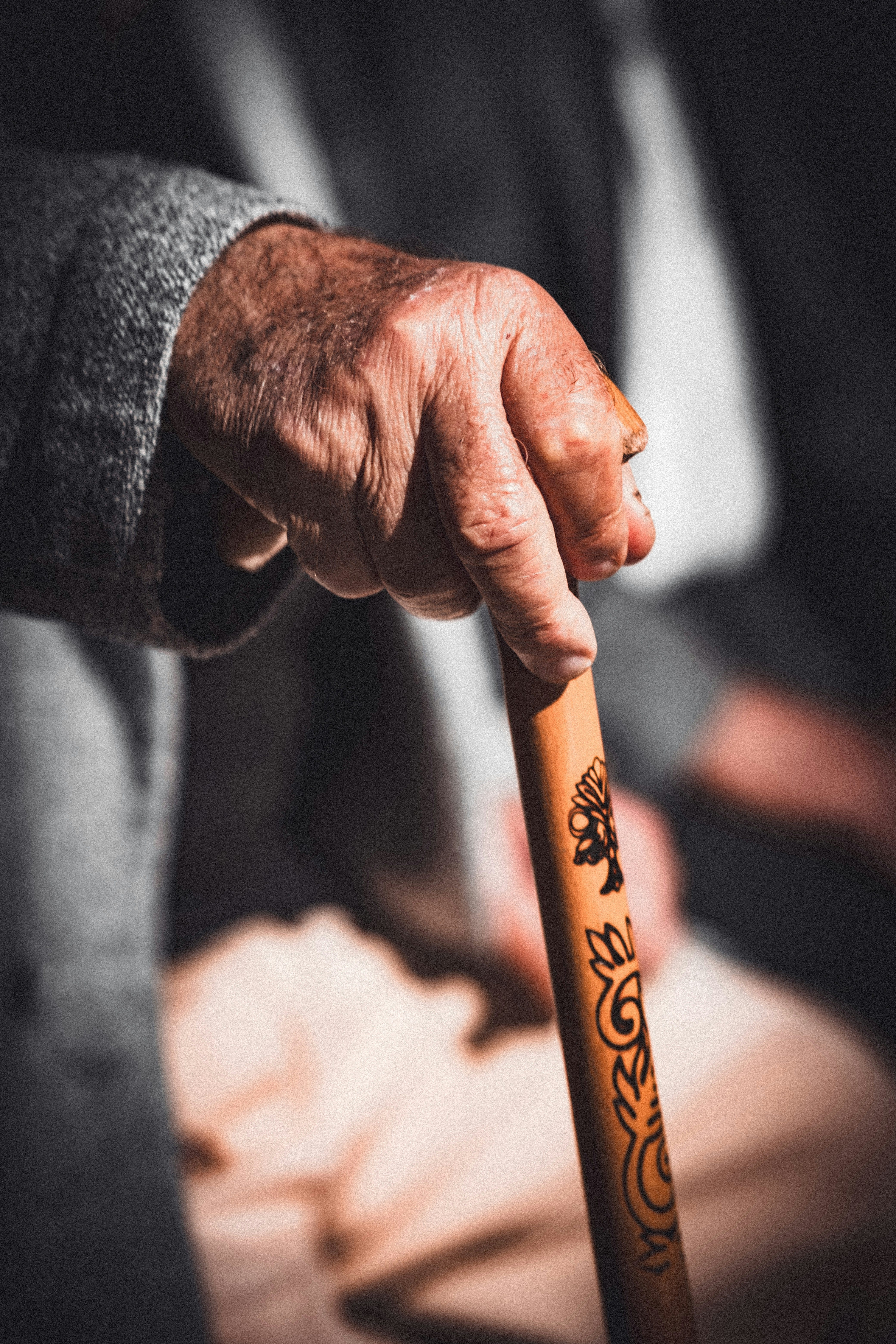
Photo by Aysegul Aytören on Unsplash
Odds are, you have heard someone toss off the remark, “You can never be too rich or too thin,” as if it were true. Some people must believe it’s true, to judge from the images of impossibly trim young darlings bombarding us from movies, television, telephones, and Instagram sites. As a former beauty editor observes, “Some of our most visible celebrities have gone from merely thin to gravely gaunt.”
In fact, I would argue that “Never too rich or too thin” so brilliantly captures the spirit of our age that it should be printed on our currency, in place of “E pluribus unum.”
Regardless of contemporary ideals of beauty, “too thin” is terrible Health advice at any age, but especially for older adults, where it can lead to frailty. Frailty in a clinical sense means you are less resilient to health events such as falls or surgery and more vulnerable to bad health outcomes. Researchers at Johns Hopkins University report that frailty doubles the risk of surgical complications, lengthens hospital stays, and increases the odds of landing in a Nursing home or assisted living.
Frailty happens when our bodies lose muscle mass, our bones become less dense, and our cells experience more inflammation. All these are normal effects of Aging, but frailty results when these changes occur at an accelerated pace.
Frailty will be the death of us all, eventually. We would be wise to forestall it for as long as possible.
A large global review in 2020 estimated that frailty affects about 11% of adults aged 50-59, while about half of all adults aged 50 and older were “pre-frail.” Interestingly, and contrary to popular belief, only 25% of adults aged 84 and older are considered frail.
Diagnosing frailty and pre-frailty used to be strictly a matter of how a patient appeared. Today doctors use one of two different methods to make a determination. The first assesses five physical abilities: weakness (in grip strength, for example), slowness of gait, exhaustion, physical inactivity, and unintentional weight loss (10 pounds or more in a year). A patient with one or two of these conditions is pre-frail; three or more qualifies as frail. The second tool, called the deficit accumulation model, rates whether the patient presents any of about 30 different symptoms, including high blood pressure and cognitive decline, and their ability to perform everyday tasks. The more conditions, the more likely the patient is frail.
If you are not frail now and don’t plan to be frail in the near future, several actions will help you remain strong and vital.
Eat well. People who faithfully follow the Mediterranean Diet – fruit, veggies, protein, good fats, whole grains, and low-fat dairy – are 74% less likely to become frail.
Get your protein. Vegetarian and vegan diets require extra effort to get sufficient protein, which is necessary for building up muscle. Protein is most abundant in meat, fish, poultry, and dairy. Dried beans and yogurt (especially Greek yogurt) can make up some of the deficiency.
Work those muscles. Walking is nice, but not enough. Working out with weights is highly recommended, if not exactly popular (only an estimated 10% of women age 75 and older engage in strength training, despite their higher risk of falls). Practicing Tai Chi and doing resistance exercises are another alternative. Aerobic Exercise helps build endurance.
Think positive. An upbeat attitude about aging has been linked to a lower risk of frailty. As the oft-cited study by Becca Levy of Yale University has shown, adults with positive views about their age outlive their negative contemporaries by an average of 7.5 years.
I avoided weight training for my first 72 years, but fear of falling finally forced me to overcome my own resistance to weight-bearing, balance, and aerobic exercises. The results aren’t obvious on the surface, but my incidences of tripping and falling have declined about 90%. It’s never too late to start taking action to postpone the inevitable. And anything you do is helpful. A little bit is better than nada.