
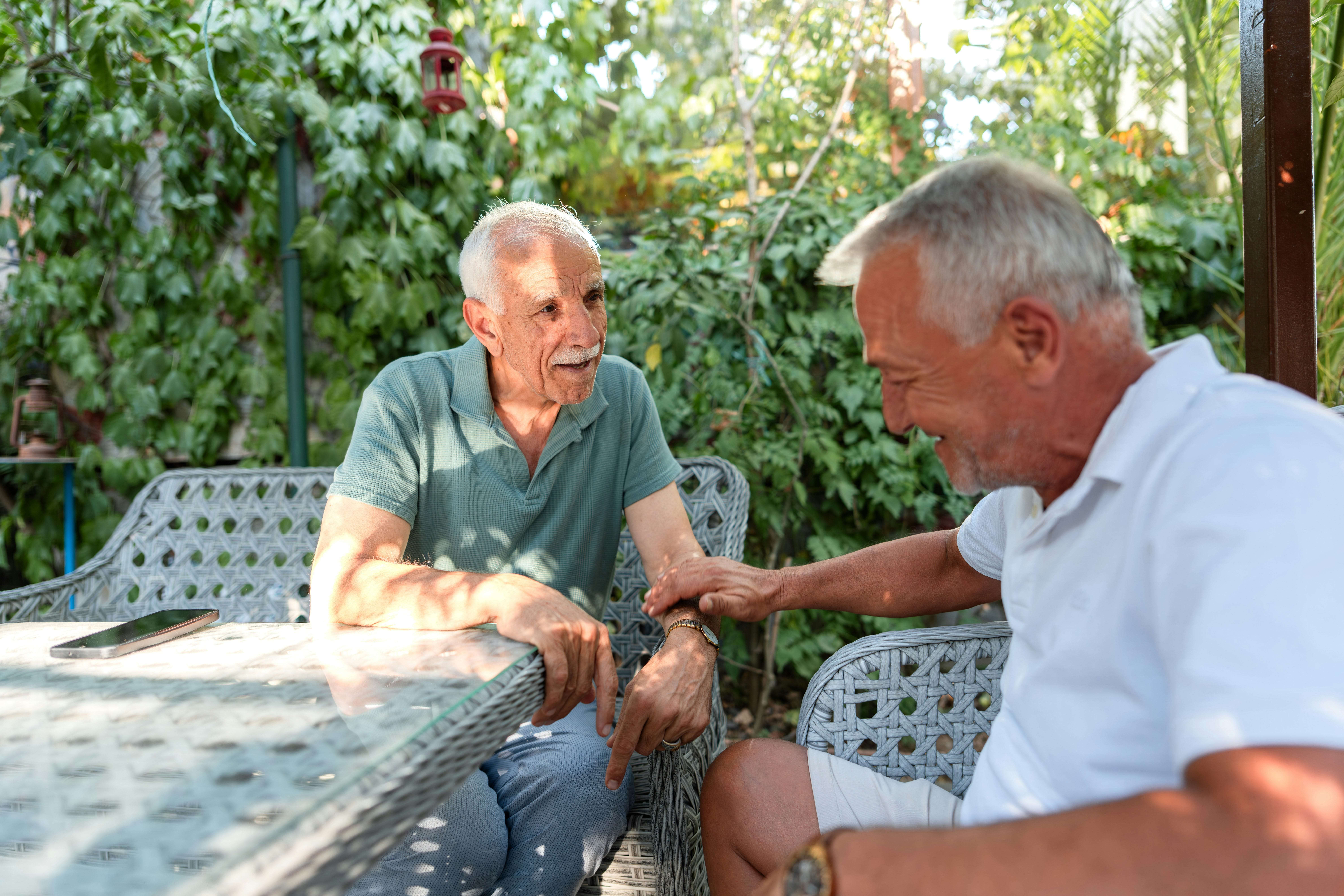
Photo by Yunus Tug for Unsplash
I admit that for a long time, my reaction to people with dementia was an aversion born of profound ignorance. I believed that a diagnosis of dementia was the kiss of death and an invitation to seek out euthanasia at once. Losing control of bodily functions is bearable, but losing control of the mind seemed, to me, to make life no longer worth living. And for that reason, I felt uncomfortable being around people diagnosed with Alzheimer’s or any other form of dementia. It felt awkward, knowing that they were not in their right minds.
My impressions didn’t come out of nowhere. Media accounts frequently treat dementia as “catastrophic” and “a fate worse than death.” Apparently medical science held similar views until recently. The authors of a paper in the Journal of Geriatric Psychiatry (2021) note that only in the past decade has there been an effort to shift dementia policy “from a fatalistic perspective concentrating on the negative consequences of dementia as a disorder” to a more positive narrative that puts a premium on the dementia patient’s quality of life. Healthcare professionals now recognize that “dementia is a manageable condition, given proper support.”
Like the medical community, I have revised my views. The media’s usual disaster-and-dread approach is now peppered with more rational comments from psychologists and healthcare professionals, who insist that people with dementia can lead fairly normal lives for many years. One of the best overviews is a PBS documentary, Dementia and Living Well. In addition, more people with Alzheimer’s and other forms of dementia are speaking out. This has fostered broader understanding about what living with these conditions means.
This new approach, which some call “living well with dementia,” has attracted its share of critics who argue it is not possible to live “well” with this debilitating condition. But the important point is a person diagnosed with dementia doesn’t cease to be who they are – not immediately, at least. And attentive, supportive Caregiving can allow a person with dementia to live a nearly normal life for years.
My own experiences with people diagnosed with dementia have taught me that there’s no need to feel awkward. Patience and compassion are more useful. Having to answer the same question every five minutes is a minor inconvenience in the company of someone whose essential qualities are scarcely diminished.
Healthcare professionals now advise people with dementia to continue doing activities that matter to them. Remaining connected to people is important, for example, and continuing to take part in social activities helps.
The experience of my friend Marcus (not his real name) illustrates how that can work. His wife was diagnosed with Alzheimer’s five years ago. Yet they continue to do things they have always done – gatherings with friends, dinners out, attending several musical performances each week. I asked him how he explained his wife’s behavior to his friends. “I just tell them she has Alzheimer’s,” he says.
As the disease has progressed over the years, their world has gotten far smaller. Lately their evenings out have been abbreviated, as she often tires after an hour. Marcus is continuously adjusting and accommodating to the changes. He expends tremendous effort to make his wife’s world as normal as possible.
Caregivers have found techniques that help compensate for diminishing memory and executive function in those they support: Keeping a consistent daily schedule. Posting a weekly calendar on the wall, with the days and times of every event clearly marked. Placing important items like keys and glasses in an obvious place (by the door, for example). Setting up automatic payments for as many recurring bills as possible. Using a pill organizer to stay on top of medication.
There are also an increasing number of dementia-friendly groups and activities that support those living with dementia symptoms. Dementia-Friendly America, for example, provides a directory of communities nationwide that are “informed, safe and respectful of individuals living with dementia, their families and care partners” and offer supportive options that enhance quality of life.
I would still prefer not to contract dementia. But I have come to realize that a diagnosis does not have to be a catastrophe. I could learn to live with it.