Key pointsOver 2.4 million U.S. children are being raised by grandparents or kin caregivers.
Grandparent caregivers struggle with challenges that include Trauma, neurodiversity, and legal hurdles.
Few resources exist tailored to grandparents stepping in during Family crises.
Source: Kampus Production/PexelsIn the United States, a significant number of children are being raised by their grandparents without parental involvement. As of September 2024, more than 2.4 million children are living in such “grandfamilies” or kinship care arrangements (Annie E. Casey Foundation, 2024). According to the U.S. Census Bureau (2021), roughly 33 percent of the children living with grandparents are under 6 years of age, 35 percent are between 6 and 11 years old, and 32 percent are between 12 and 17. The reasons for caring for grandchildren vary widely, which means that the length of time grandparents are caring for grandchildren also varies widely. Limited resources and the fact that they’re often taking on these care roles suddenly, without warning, leave grandparents in a position where they’re forced to navigate new territory that is often overwhelming, isolating, and emotionally draining.
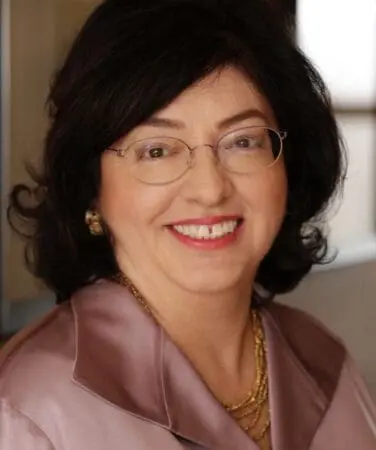
Laura Brazan’s Story: A Personal PerspectiveLaura Brazan and her husband unexpectedly became full-time caregivers for their grandchildren after receiving a call from Child Protective Services while vacationing overseas. The children’s mother was incarcerated for neglect and abuse, and their father had been absent for over a year. Despite not being their biological grandmother (they are her husband’s grandchildren), Laura was determined to keep them out of the foster care system and stepped in with her husband to raise them.
The children had experienced severe trauma and neglect, arriving with matted hair, open sores, and severe emotional dysregulation. Laura described the transition as overwhelming, with the children initially frightened and unable to adjust to structure or care. They also had unaddressed learning needs, including undiagnosed dyslexia.
What began as a crisis evolved into a profound life shift: The couple went from recent retirees to full-time caregivers, facing not only the children’s trauma but also their own emotional, financial, and social challenges. Laura felt isolated, struggling to find adequate support or resources specific to grandparents in this role. She soon found that she didn’t fit in with the much younger parents of the children in school and community because there was a large gap in age and life experiences. She also felt shame about the failure of the family that led to her raising their grandchildren.
To learn more about how to raise the children and help herself emotionally, she launched a podcast and newsletter to share her journey, connect with others, and gather information. Through the Montana State University Kinship Caregiver Program, she found valuable guidance and later became a peer coordinator herself. She has been learning how to build a community of care and emotional support for herself and the children. The process is ongoing, with each developmental milestone the children reach adding a new layer of learning and coordination.
Laura has learned over the years that the journey requires more than just loving the children and offering them a safe, warm environment. She has had to address their trauma, which surfaces in new ways as they grow and develop, and express themselves differently. They need to leap over new educational hurdles as they find new diagnoses that went undetected earlier. The search for available resources is taxing and never-ending because of the scarcity of resources and support systems specifically tailored for grandparents in Caregiving roles.
The Need for Increased Awareness and SupportThe value of kinship navigator programs in providing guidance and assistance is vital for grandparents raising grandchildren. Grandparenting is a societal oversight, and the millions of individuals navigating this journey alone need greater recognition. Laura now advocates for greater visibility, resources, and legislative change for grandfamilies. Her podcast is a top resource on Apple and Spotify, providing emotional support and practical advice to other grandparents in similar situations.
Laura emphasizes that raising grandchildren isn’t for everyone—and that’s OK—but those who do step up should never feel shame or go it alone.
Grandparents who are raising grandchildren should remember:
You are not alone! Get connected through community organizations, national organizations, and on social media. Connection, community, and awareness are crucial.
Love, not age, makes a family.
Advocate for yourself and your family. Policy changes are needed to provide better support and resources for grandfamilies.
Grandparents like Laura Brazan are stepping into caregiving roles with courage, compassion, and resilience, often without preparation or adequate support. Their stories reveal the emotional, financial, and social toll of raising a second generation—but also the deep love that fuels their commitment. As the number of grandfamilies continues to grow, we must do more to recognize and support these unsung caregivers. From kinship navigator programs to peer communities and policy reform, there is an urgent need for awareness, accessible resources, and connection. Grandparent caregivers deserve to be seen, heard, and helped—because love, not age, makes a family, and no one should have to navigate this journey alone.
To read this and more on Psychology Today click here.
The Right Side of 40 is a reader-supported publication. To receive new posts and support my work, consider becoming a free or paid subscriber.
References
Annie E. Casey Foundation. (2024). Children in kinship care in the United States. KIDS COUNT Data Center.
U.S. Census Bureau. (2024, March 19). Grandparents living with grandchildren. https://www.census.gov/library/stories/2024/03/grandparents-living-with-grandchildren.html
Originally Published on https://deborahheiserphd.substack.com/