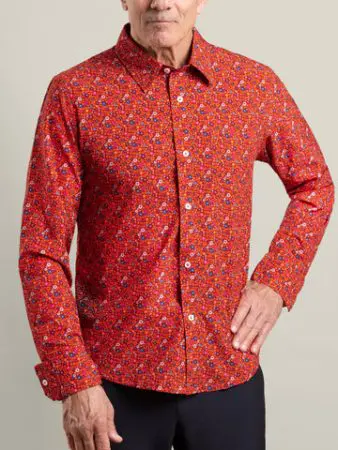
Dressing can be a difficult task for Stroke patients, especially when one side of the body is weak or paralyzed. A stroke can lead to various physical limitations, such as reduced mobility, balance issues, and difficulty with coordination, all of which can make everyday activities like getting dressed more difficult. Knowing how to dress a stroke patient properly can make a significant difference in their comfort, safety, and overall sense of independence.
In addition to the physical challenges, dressing can also be an emotionally sensitive issue for stroke patients. They may feel frustrated or embarrassed about needing assistance with what was once a routine task. As a caregiver, it’s crucial to approach this task with empathy, patience, and respect to help maintain their dignity. With the right techniques and adaptive strategies, caregivers can provide effective support, making dressing a more manageable and less stressful experience for stroke survivors.
This guide offers practical tips and stroke dressing techniques that can help make the dressing process easier for both the patient and the caregiver. By choosing the right clothing, using appropriate assistive devices, and following specific dressing techniques, you can ensure that the process is as comfortable and efficient as possible.
When it comes to dressing a stroke patient, several key strategies can help make the process easier and more comfortable. Here are seven tips to consider:
Adaptive clothing is specially designed to make dressing easier, safer and simpler for those living with limited mobility. For stroke patients, adaptive clothing can include features like Velcro closures, magnetic buttons, or side openings that make it easier to put on and take off clothes.
Choosing adaptive clothing can reduce the time and effort needed to dress, enhancing the stroke patient’s comfort and independence.
Loose-fitting garments are easier to put on and remove, especially for stroke patients with limited mobility or strength on one side of the body.
Opting for loose-fitting clothes can make the dressing process less cumbersome and more comfortable for stroke patients.
One of the most critical stroke dressing techniques is to dress the affected side of the body first. This approach helps to minimize discomfort and reduces the risk of injury.
Understanding what side you dress first on a stroke patient is crucial for maintaining their comfort and safety during the dressing process.
Encouraging those recovering from a stroke to sit while getting dressed can help reduce the risk of falls and provide a stable base of support.
This approach is one of the most practical dressing techniques for stroke patients, especially those with balance issues or leg weakness.
Various aids and assistive devices can make dressing easier for stroke patients. These tools are designed to help overcome physical limitations and enhance independence.
Using these aids can make the dressing process more manageable and less frustrating for stroke patients. You should still look for adaptive clothing and equipment first, and then opt for using adaptive aids for the rest of your products.
The type of fabric used in clothing can greatly impact comfort and ease of dressing for stroke patients.
Selecting the right fabric is an important consideration in how to dress a stroke patient effectively and comfortably.
Footwear is an essential component of safe dressing for stroke patients. Anti-slip footwear, both shoes and socks with grippers, helps prevent falls and provides better stability.
Choosing the right footwear is an important part of the do’s and don’ts for stroke patient dressing.
When assisting a stroke patient with right-sided weakness in getting dressed, it’s important to consider their specific limitations and adjust the dressing process accordingly. Start by dressing the affected side (the right side) first. This technique reduces strain and allows the stronger side (the left side) to assist more effectively.
Encourage the patient to sit while dressing to maintain balance and reduce the risk of falls. Use adaptive clothing that features easy fastenings or side openings, which can be more manageable for individuals with one-sided weakness. Additionally, incorporate assistive devices like button hooks or reachers to further facilitate the dressing process.
When selecting clothing for a stroke patient with right-sided weakness, choose items made from soft, stretchable fabrics that are easy to maneuver. Footwear should be slip-resistant to prevent falls and have easy closures like Velcro for ease of use. By following these guidelines, you can help make the dressing process smoother and more comfortable for stroke patients with right-sided weakness.
Dressing a stroke patient requires patience, empathy, and the right techniques to ensure their comfort and safety. By choosing adaptive clothing, using assistive devices, and following specific dressing techniques, caregivers can help stroke patients maintain their dignity and independence while minimizing the physical strain and frustration that often accompanies dressing after a stroke. Understanding how to dress a stroke patient and applying the appropriate techniques can make a significant difference in their daily routine, improving their quality of life.
For a wide range of adaptive clothing options that cater to the needs of stroke patients, visit Joe & Bella’s product page and explore our collection designed to make dressing easier and more comfortable. You might also want to check out one handed dressing techniques and Alzheimer’s dressing tips for caregivers.
Dressing the affected side first provides better control and minimizes discomfort. It allows the stronger side to assist more effectively in guiding the garment onto the weaker limb, reducing the risk of strain or injury.
Several tools can help stroke victims get dressed, including button hooks, zipper pulls, long-handled reachers, and adaptive clothing with easy fastenings like magnets or Velcro. These aids make the dressing process easier and promote independence.
To undress a stroke patient, start with the unaffected side and then gently remove clothing from the affected side. This technique ensures better control and minimizes the risk of injury or discomfort.
Caregivers can support stroke patients by choosing adaptive clothing, using appropriate dressing techniques, and providing emotional support. Being patient, offering encouragement, and maintaining a positive attitude can help make the dressing process less stressful for stroke patients.
Originally Published on https://joeandbella.com/blogs/news