
Viewing a classic wooden boat is like delving into maritime history. For centuries, sturdily built wooden vessels have embodied their region’s maritime heritage. Each boat also reflects her builder’s craftsmanship. And even if the boat is a scuffed-up workhorse instead of a pampered gentleman’s yacht, her captain feels a certain sense of pride when he cranks up the engine or unfurls the sails.
On the 200-mile-long Chesapeake Bay, iconic wooden skipjacks have carved out their niche in maritime history. Built to dredge oysters under sail, the Chesapeake Bay skipjacks have their own beauty and grace (to me, anyway). For 35 years, the Chesapeake Appreciation Days showcased the Bay’s skipjack fleet. My husband and I were fortunate to attend two of these wildly popular festivals.
On the wide, windy, and choppy Chesapeake Bay, late 19th-century oystermen needed a stable platform for their shallow-water dredging operations. The 1890s-era skipjack provided an ideal solution, and almost 2,000 of the working sailing vessels were produced during the following decade. These easily built wooden boats had wide decks and low freeboard (distance from the deck down to the water). These attributes helped the skipjack remain stable as the watermen dredged for oysters under sail.
Surprisingly, the Chesapeake Bay skipjacks were also efficient sailing vessels. Each skipjack’s large foresail (jib) and mainsail helped the boat perform well in light winds. These sailing characteristics also made it easy to complete multiple passes over the Bay’s oyster beds. Although skipjacks didn’t have classic sailing yachts’ graceful lines, the purpose-built vessels have attracted their own loyal following over the decades.
Unfortunately, the Chesapeake Bay skipjacks had a short-lived heyday. Oyster prices crashed during the early 1900s, making it impossible for the skipjack captains to make a decent living on the water. Many skipjacks were abandoned, and some were completely destroyed. As luck would have it, though, oyster prices enjoyed a post-World War II uptick. This encouraging sign spurred the building of a few more skipjacks. On the downside, the remaining 19th-century vessels continued to deteriorate.
Today, only about 30 skipjacks are still around, with many of these vessels in an advanced state of decay. Some skipjacks continue to rot away at the dock, and others have slowly sunk into the mud as their dewatering pumps have given out. We have seen several of these forlorn-looking hulks, and it’s quite a depressing experience.
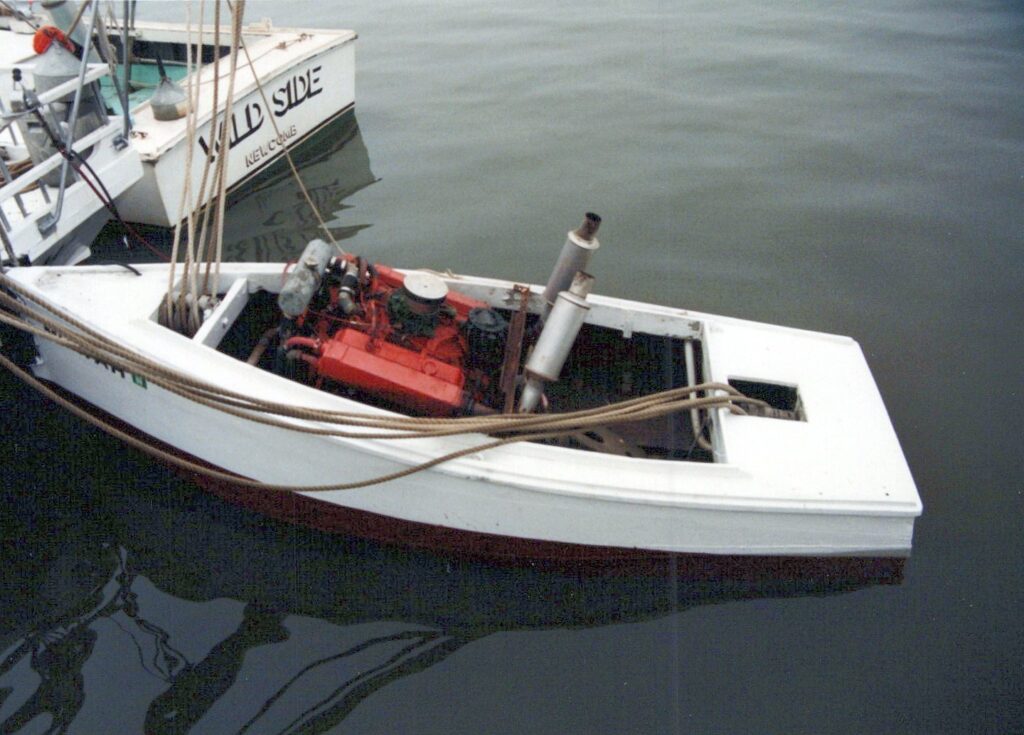
On the positive side, a few original-edition skipjacks have been restored, and some well-maintained newer models also remain afloat. Some restored skipjacks are used as educational platforms or museum exhibits. Even today, a precious few of these “Grand Dames of the Bay” still dredge for oysters during the Bay’s cold, blustery winter.
During the mid-1960s, the United States was navigating new technologies along with strikingly different clothing and music trends. Certain values were also undergoing a seismic shift. On the Chesapeake Bay, however, this large-scale upheaval didn’t lead traditionalists to abandon the region’s rich maritime heritage. To the contrary, in fact.
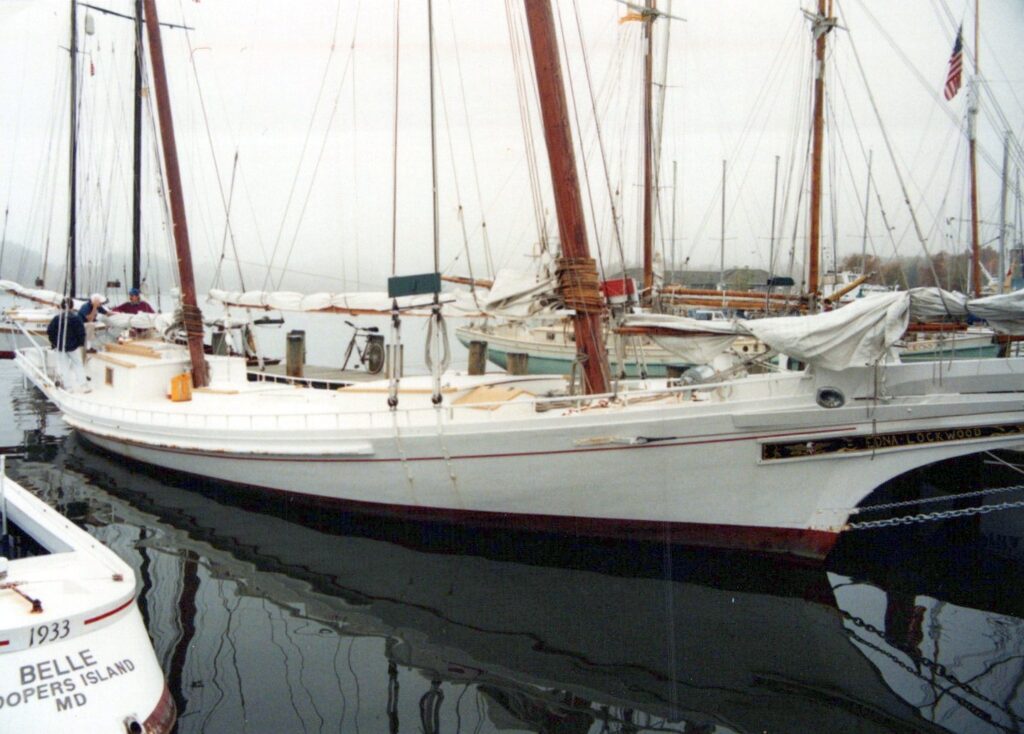
In 1965, Chesapeake Bay skipjack lovers rallied together, determined to bring the region’s working sailing vessels back into the public eye. During that year, the group launched Chesapeake Appreciation Days, a two-day event that introduced these iconic sailing vessels to new generations of admirers.
Held at Annapolis’ Sandy Point State Park, the fall-season festival invited attendees to get an up-close-and-personal look at most of the remaining skipjacks. Even better, the event included several skipjack races. As the classic vessels maneuvered through an offshore course, spectators watched from Sandy Point beach. Local sailboat captains enjoying an afternoon sail likely learned a bit about “sailing by the seat of your pants” as the seasoned skipjack captains put their boats through the paces.
Besides the skipjack component, the two-day event featured workboat docking contests and oyster shucking competitions. A favorite among attendees of all ages, the event drew visitors from the surrounding region. Because of the unpredictable fall weather, attendees never knew whether they’d soak up some warm Chesapeake Bay sunshine or shiver in the cold, grey fog.
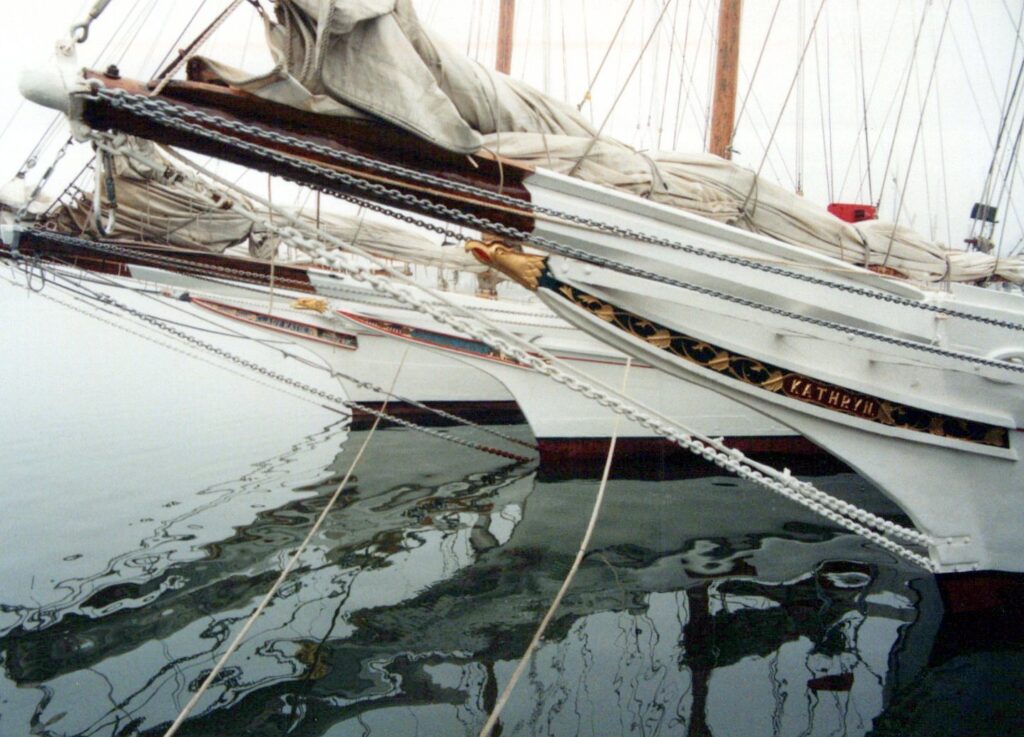
Each year, the Chesapeake Appreciation Days crowds continued to grow. With our mutual Love of sailing and traditional maritime culture, Mark and I eagerly attended two of these iconic annual events. Strolling down Sandy Point State Park’s wooden docks, we snapped dozens of skipjack pictures, popping in a new film roll as needed (no phone photos back then).
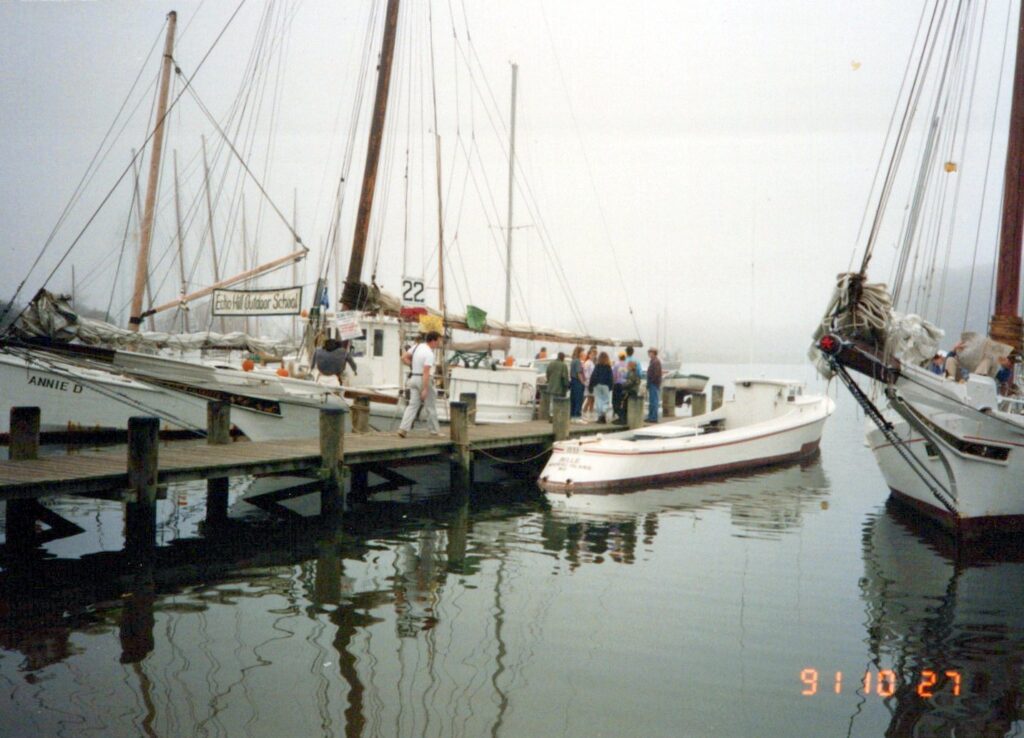
Some skipjacks had received the “spit and polish” treatment, with freshly painted nameboards and squeaky-clean decks. Other vessels looked like they had just come in from a long day on the oyster beds. But every boat’s sails were secured, and the decks were free of lines and obstacles. Each skipjack was tied to its “push boat,” a motorized skiff that helped the larger vessel maneuver in areas not conducive to sailing.
We repeatedly stopped to soak up the vintage vessels’ ambience (The Edna Lockwood was then over 100 years old). We were keenly aware that we were viewing a maritime history time capsule. We would likely never see some of these vessels again. Eventually, we managed to tear ourselves away from the docks. As we reluctantly returned to the car, I kept turning around to view the skipjacks’ masts one last time.
Following the 1990 Chesapeake Appreciation Days, festival organizers decided to discontinue the event. With fewer skipjacks on the water, and markedly decreased interest in the original event format, the writing was on the wall. But the Chesapeake Bay skipjacks’ story wasn’t over.
The Chesapeake Bay skipjacks’ next chapter began in 2000, when the State of Maryland designated this iconic vessel as the official state boat. Besides representing the region’s Lifestyle, the State recognized that these classic vessels have great economic and historic value. With that honor firmly in the history books, it was time to get the Chesapeake Bay skipjacks back on the water.
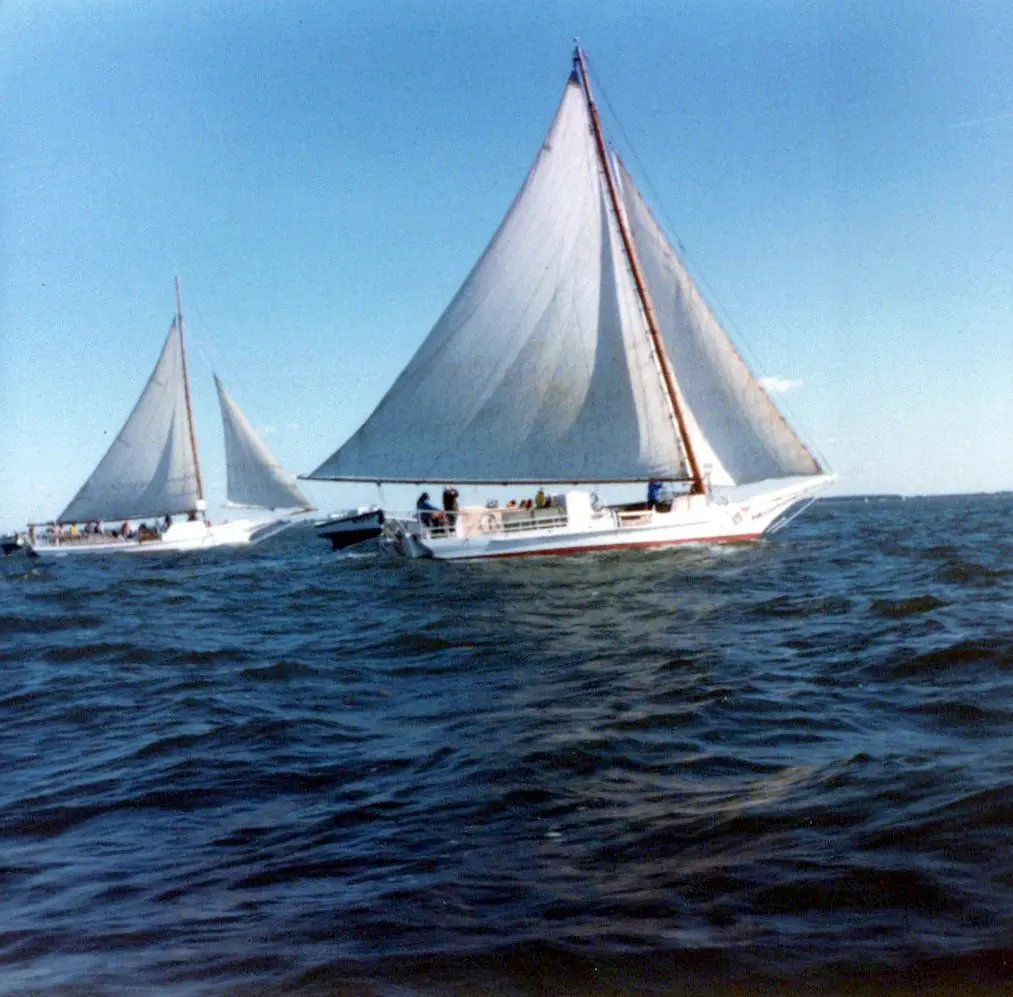
In September 2025, 35 years after Chesapeake Appreciation Days ended, Skipjack Heritage Days showcased most of the still-seaworthy skipjacks. Set for Sandy Point State Park, this time along with the Maryland Seafood Festival, the two-day event included a Sunday skipjack race. Once again, spectators would have a good view of the classic sailing vessels’ route to the Chesapeake Bay Bridge and back.
Between 14 and 15 surviving skipjacks were expected to return for this much-anticipated classic vessel gathering. Some skipjacks have been converted to commercial cruise vessels, while privately owned skipjacks still depend on their trusty push boats.
Shawn Ridgley captains a different type of Family sailing vessel. The 1906 skipjack Ida May has been in his family for three generations. The skipjack fleet captain relishes the opportunity to show new skipjack fans that“this fleet really does exist. Some people may not realize there are skipjacks still actively harvesting in the commercial oyster industry. It isn’t just a nice boat silhouette to put on your business sign,” Ridgley emphasized.
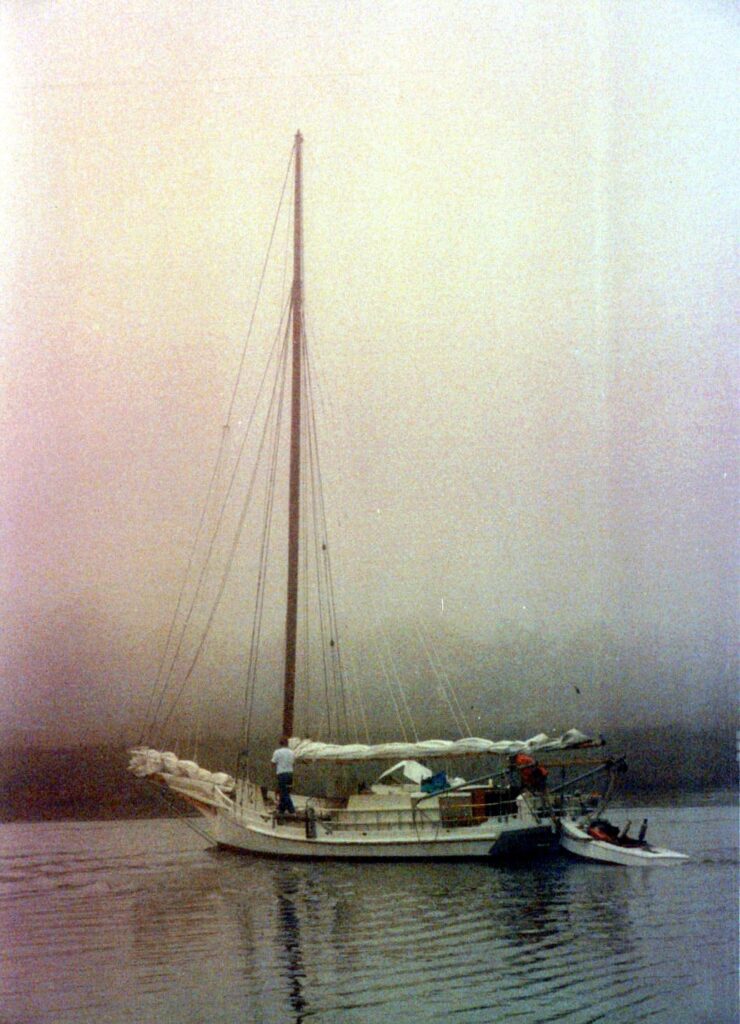
Now that we live in Florida, we don’t see ourselves attending any more Maryland skipjack festivals. However, we enjoy viewing the photos and savoring the memories of our encounters with Chesapeake Bay maritime history.