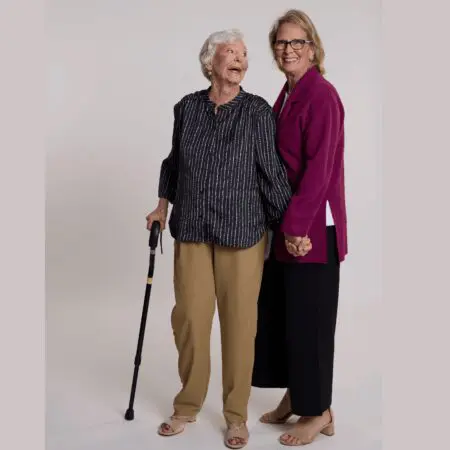

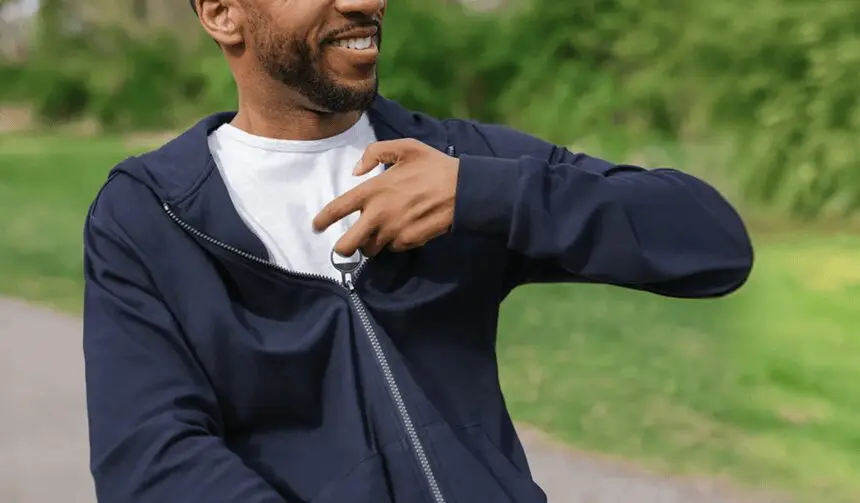
Adaptive clothing has transformed how millions of people get dressed every day. Whether you’re recovering from surgery, living with Arthritis, or caring for an Aging parent, adaptive apparel offers practical solutions that make dressing easier, more comfortable, and more dignified.
This guide covers everything you need to know about adaptive clothing: what it is, who benefits from it, and how to choose the right options for your needs. And we’ll share our unique insights that we’ve learned here at Joe & Bella from talking to our customers.
Adaptive clothing (also called inclusive fashion or accessible clothing) refers to garments designed with modifications that make dressing and undressing easier for people with physical limitations, mobility challenges, or cognitive differences.
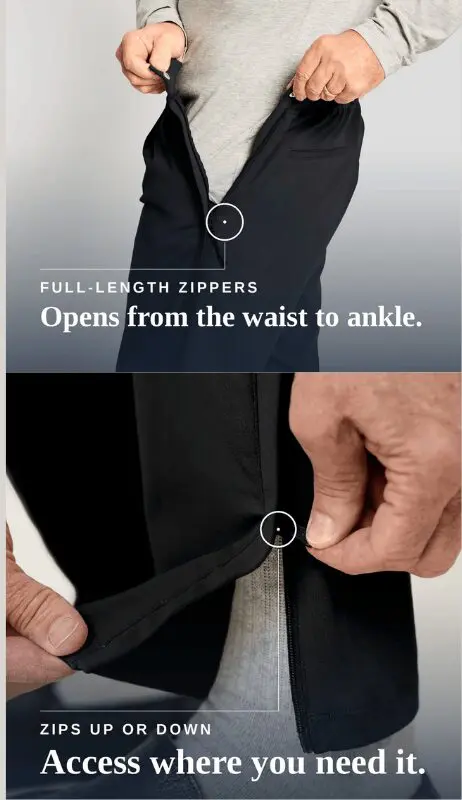
Common adaptive features include:
The best adaptive clothing looks just like regular clothing. You wouldn’t know it’s adaptive unless you looked closely at the construction.
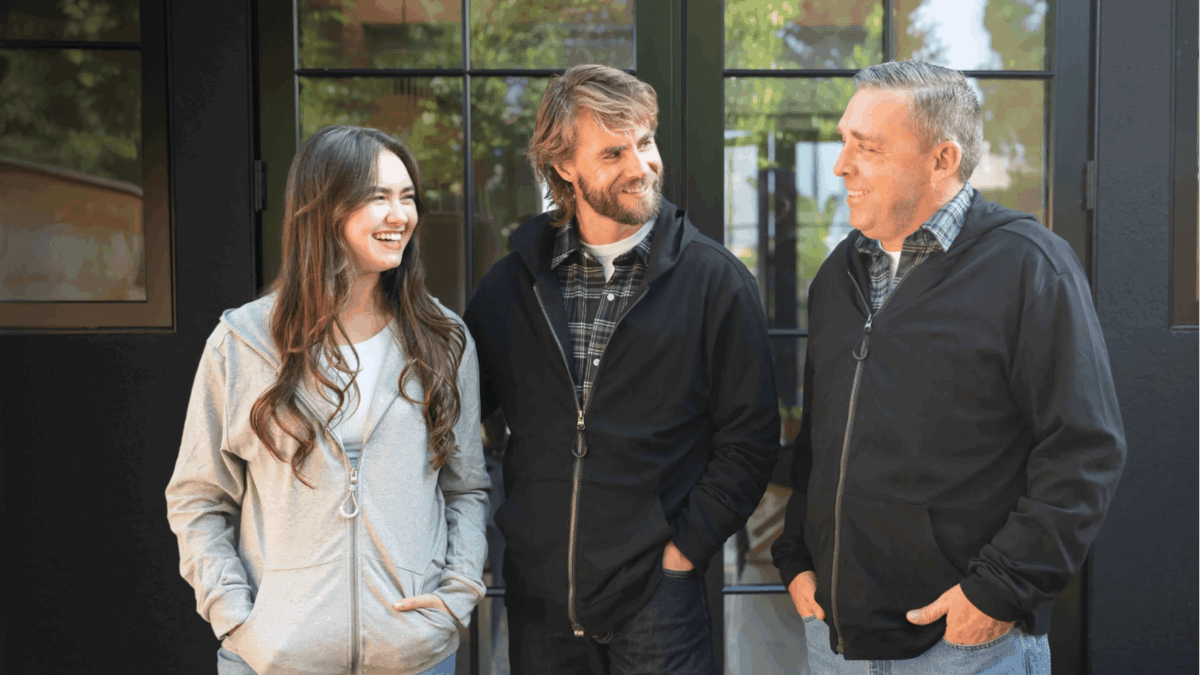
More people than you might think benefit from adaptive apparel:
Arthritis, limited mobility, shoulder pain, and other age-related changes make traditional clothing difficult to manage. Adaptive clothing helps older adults maintain independence and dignity by providing closure systems that are easier to use along with stretch fabrics and matching outfits.
Wheelchair users, people with cerebral palsy, Stroke survivors, and those with limited fine motor skills all benefit from smartly designed adaptive garments.
After shoulder surgery, hip replacement, or other procedures, adaptive clothing allows you to dress without pain or assistance.
Those with autism or sensory processing issues often prefer tagless, seamless, or ultra-soft adaptive clothing.
Maternity clothes are actually a form of adaptive clothing: they’re designed to accommodate physical changes. And even infants’
Slip-on shoes, elastic waistbands, and magnetic closures make life easier for everyone, not just people with disabilities. This is called “universal design.”
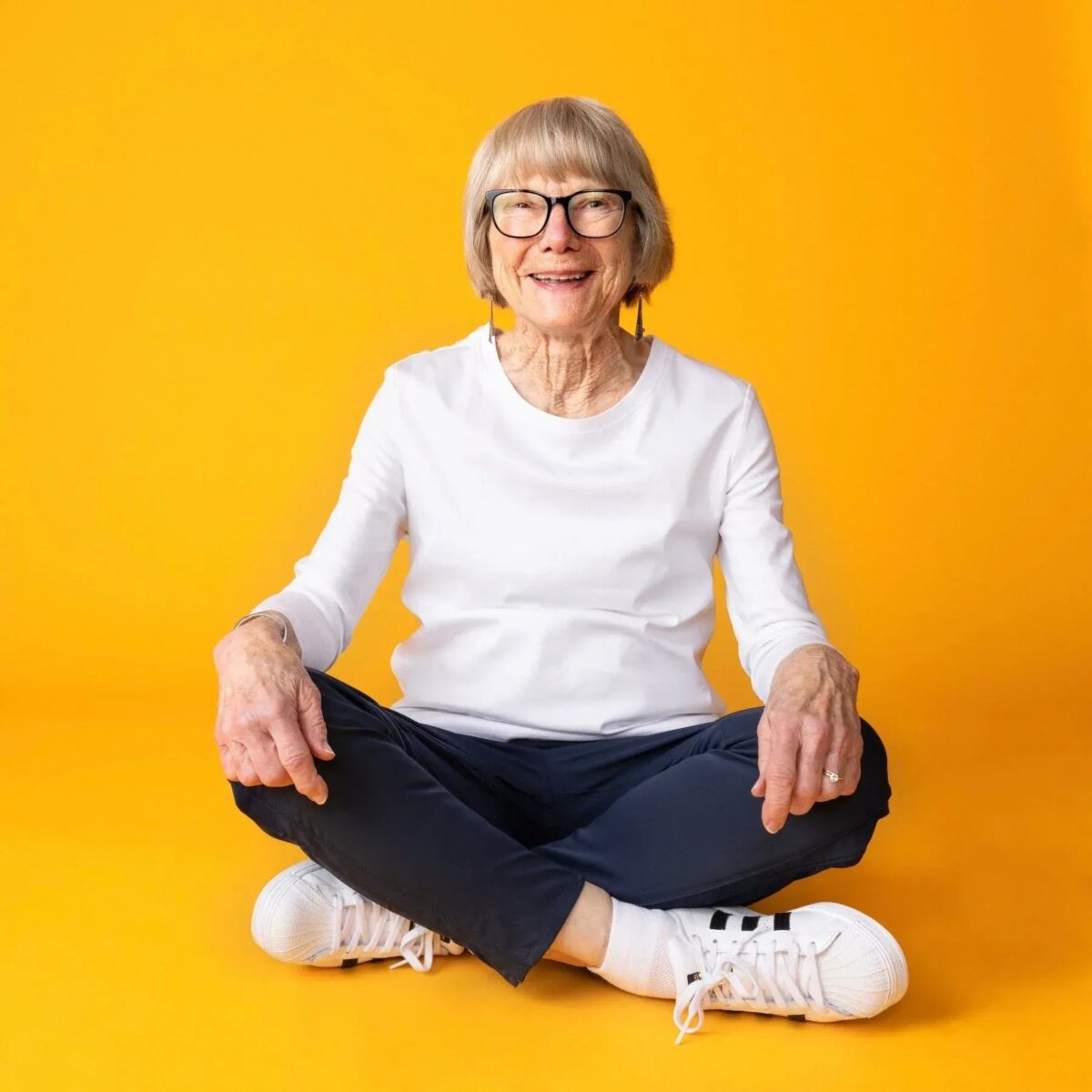
For older adults, getting dressed shouldn’t be painful or require 20 minutes of struggle. Yet many seniors face daily challenges:
Adaptive clothing solves these problems. It allows seniors to dress independently longer, reduces caregiver burden, and preserves dignity during assisted dressing.
During the pandemic when I helped provide care for my grandmother, I saw firsthand how she struggled to put on a simple cardigan. Even with a caregiver’s help, the process was so painful she swore! She dropped a big ole “F BOMB!” Something I’d never heard her do before. That’s when we discovered adaptive clothing.
We ordered several adaptive tops and bottoms from different brands and sent them to her memory-care community. But when we checked in the next day, she wasn’t wearing any of them. Her reason? “They’re all ugly.”
She would rather endure pain than wear clothing that didn’t feel like her. That experience showed us that adaptive clothing needs to be functional and stylish—which is why we started Joe & Bella.
Explore our collection of adaptive shirts for men and adaptive shirts for women.
Explore our collection of adaptive pants for men and women.
You probably already use adaptive clothing without realizing it:
These are all examples of clothing modified to solve a specific problem or improve comfort.
If you’re caring for an aging parent or loved one, adaptive clothing can:
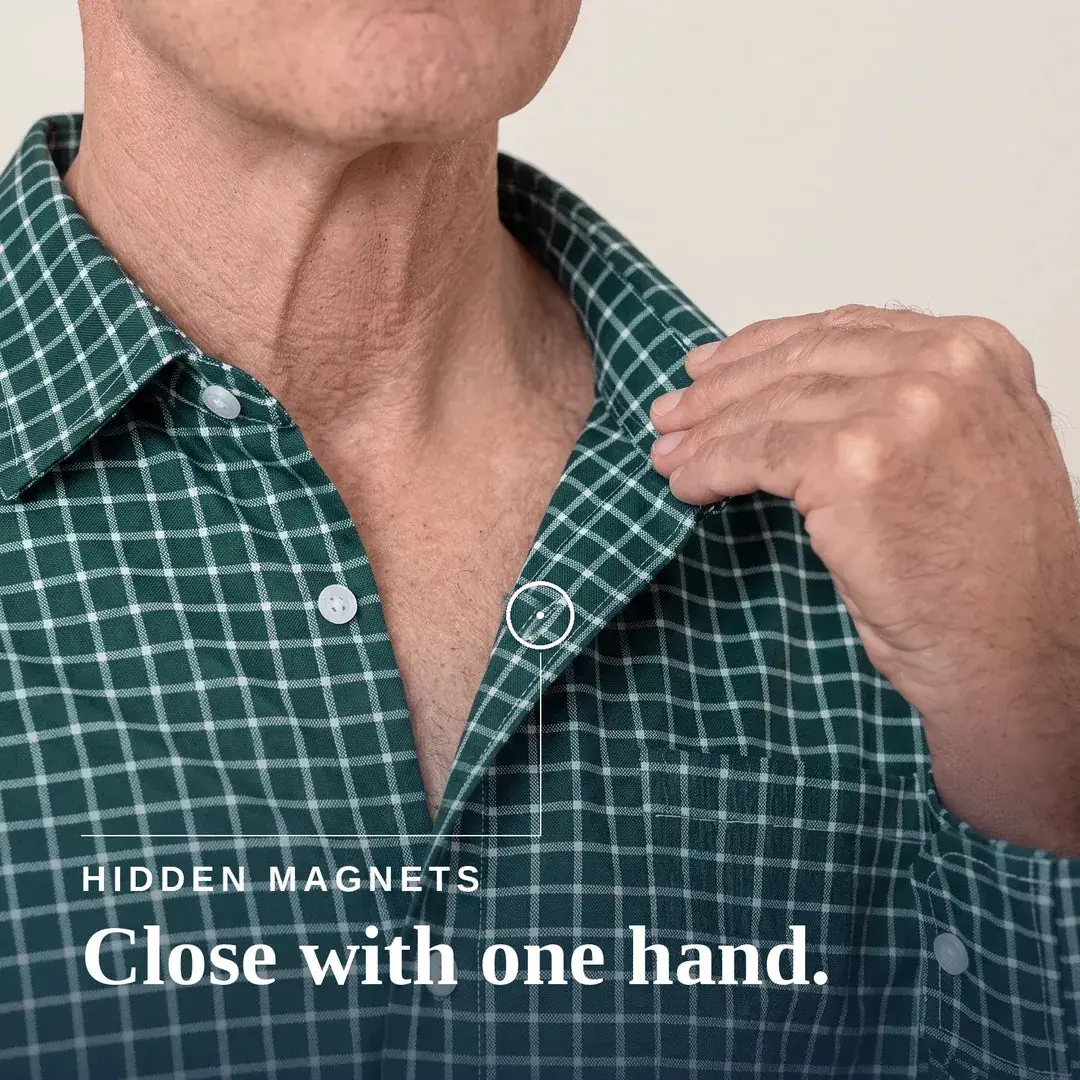
At Joe & Bella, we create adaptive clothing specifically for older adults, but designed so well that people of all ages want to wear it.
Our flagship product, CareZips®, features a three-zipper system that fully opens the front of the pants. This makes dressing, undressing, and incontinence care dramatically easier—whether you’re dressing independently or with assistance.
CareZips are designed with seniors in mind:
We’ve expanded our line to include adaptive tops, bottoms, and more, all designed to make dressing easier without sacrificing style or comfort.
The adaptive clothing market is growing fast, with exciting innovations:
Youth-Oriented Adaptive Brands Companies like Slick Chicks and Skims (by Kim Kardashian) are creating stylish adaptive underwear and loungewear for younger people with disabilities.
Adaptive as a Design Feature Instead of hiding adaptations, some brands are making them part of the aesthetic: exposed zippers, bold magnetic closures, and unique construction become fashion statements.
Universal Design More mainstream brands are incorporating adaptive features that benefit everyone, like Kizik’s hands-free shoes or tagless shirts.
Technology Integration Smart fabrics, adjustable fits, and innovative closures are making adaptive clothing more functional and fashionable than ever.
When shopping for adaptive clothing, consider:
Adaptive clothing is available from:
Physical changes shouldn’t prevent anyone from wearing clothes they Love. Adaptive clothing makes that possible.
Ready to experience the difference adaptive clothing can make? Explore Joe & Bella’s collection of adaptive pants, tops, and more, designed for comfort, dignity, and everyday style.
Originally Published on https://joeandbella.com/blogs/news