 Discover what matters most
 Take Your Free Assessment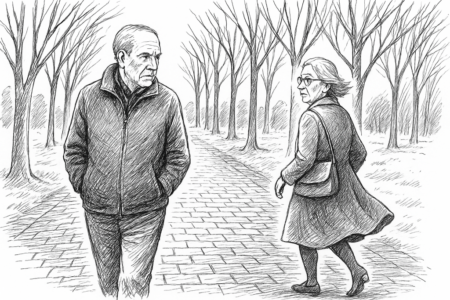


Why the freedom people dream about can quietly become the structure they miss.
You start a new job. There is a honeymoon.
You purchase a house. It is exciting and typically comes alongside updates and even full remodels.
You decide to have a structured fitness program. It can start out easily, but harder to maintain over a long period.
The most obvious, you get married. There is literally a honeymoon and then the initial period when couples adjust to life with another.
Then there is Retirement. Yes, there is also a honeymoon phase of retirement. A time to figure out this new life. Yet, even of you choose to get “divorced” or go back to work, eventually you are going to have a second retirement. Age will intercede.
Start Designing Your Best Retirement Life
Answer the essential questions to clarify your purpose, align your Lifestyle, and build a retirement plan that fits you. It takes less than 15 minutes.
The full retirement age in the United States is 67, when full Social Security benefits are available. However, early retirement has become the norm. Today over a majority are choosing to enter post-career life at around 62.
And why not. There are no alarms. No deadlines. No meetings. You finally get to do what you want, when you want, with who you want. Travel increases. Projects around the house are done. Time with Family expands. There is a sense of earned relief. It is the ideal honeymoon.
As retirement progresses, people don’t anticipate freedom without structure eventually turns into friction. From the data and patterns seen in the Retirement Time Analysis, retirees don’t just gain time, they gain responsibility for how that time is used. That is where the honeymoon begins to fade.
Retirees don’t just gain time. They gain responsibility for how that time is used.
A job can go from invigorating to a grind. A fitness plan can seem like punishment versus personal care. When the novelty of retirement begins to fade a few things occur.
The perception of time expands as structure diminishes. You shift from a regulated 40%+ of your awake time being scheduled by work to suddenly needing to fill it yourself.
As time slips by, your identity can also start to drift. Work provided more than income. It gave structure, interaction, and a sense of relevance. Remove it, and many retirees quietly ask: “Who am I now?” Unfortunately, it can be compounded when the question is asked in isolation for fear of looking weak with their significant other.
Predictability sets in. The very things that felt exciting early on (travel, hobbies, flexibility) can become stale. Predictable, without purpose, becomes boring. The excitement of retirement then magnifies a variety of other life challenges that come with Aging.
Instead of trying to extend the honeymoon, the goal is to use it correctly. Think of it as a design period or setting a lifestyle strategy, not a vacation.
The honeymoon phase is not the reward of retirement. It is the setup phase. Handled well, it becomes the bridge into a meaningful, structured, and adaptable life. Handled poorly, it becomes the high point you spend the next 20 years trying to recreate. The happiest retirees aren’t the ones who extended the honeymoon…they are the ones who built something sustainable after it ended.
David Buck is the author of the book The Time-Optimized Life, coauthor of The Retirement Collective, and owner of Kairos (Time) Management Solutions, LLC. Learn how to apply the concepts of proactively planning and using your time. Take the Time Management Analysis (TMA), the Retirement Time Analysis (RTA), or all the other free resources offered to help bring more quality time into your life.
Content development for this article involved human expertise supported by AI-generated analysis and formatting.
The post The Retirement Honeymoon (And Why You Can’t Get Divorced) first appeared on Infinity Lifestyle Design.