
For many families, one of the first daily routines to become unexpectedly difficult in dementia care is getting dressed.
What used to take a few quiet minutes can turn into confusion, frustration, resistance, or tears. A loved one may put clothes on backward, forget what goes on first, refuse to change, or become upset when a caregiver tries to help. These moments can be discouraging for everyone involved.
The important thing to understand is that dressing problems in dementia are rarely about stubbornness. More often, they are a sign that a task which once felt automatic now involves too many steps, too much physical effort, or too much emotional discomfort.
When caregivers understand why dressing becomes hard, it becomes easier to respond with patience, better routines, and more helpful clothing choices.
Getting dressed involves more than people realize. A person has to recognize clothing, decide what to wear, remember the order of dressing, manage buttons or zippers, and physically move through the process.
Dementia can affect all of that.
A loved one may:
Physical changes often make the problem worse. Many people living with dementia also have Arthritis, weakness, limited mobility, balance concerns, or pain with movement. That means even if they understand what to do, dressing may still feel difficult.
Dressing is personal. It is tied to privacy, independence, routine, and identity.
Someone who once got dressed without thinking may now feel exposed or ashamed when they need help. A person may not be able to explain exactly what feels wrong, but they still feel the discomfort, confusion, or loss of control.
That is why dressing resistance in dementia is often communication.
A loved one may be saying:
That shift in perspective matters. It helps caregivers respond with curiosity instead of frustration.
There is no perfect script, but a few changes can help reduce daily Stress. Whether your loved one is living with, a physical limitation, dementia or Alzheimer’s, clothing choices can be extremely important in making dressing easier.
Too many options can create confusion. Instead of asking a loved one to choose from a full closet, offer one or two weather-appropriate options.
This keeps them involved without making the decision overwhelming.
Place each item in the order it should be put on. This can help reduce confusion and make the next step easier to follow.
A simple sequence might be:
When possible, keep the setup visually calm and uncluttered.
Instead of saying, “Get dressed,” break the process into small, clear steps.
For example:
Smaller directions are often easier to process than broad instructions.
Rushing usually makes dressing harder. If a person already feels confused or uncomfortable, being hurried can increase agitation quickly.
Build in more time than you think you need. A calmer pace often helps the routine go more smoothly.
Sometimes the real problem is not memory. It is pain or irritation.
Watch for signs that a loved one may be reacting to:
When dressing becomes a repeated struggle, clothing itself may be part of the issue.
Even if someone needs help, it is still important to preserve independence wherever possible.
That may mean:
It does not need to be perfect. Feeling involved matters more than a perfectly straight collar.
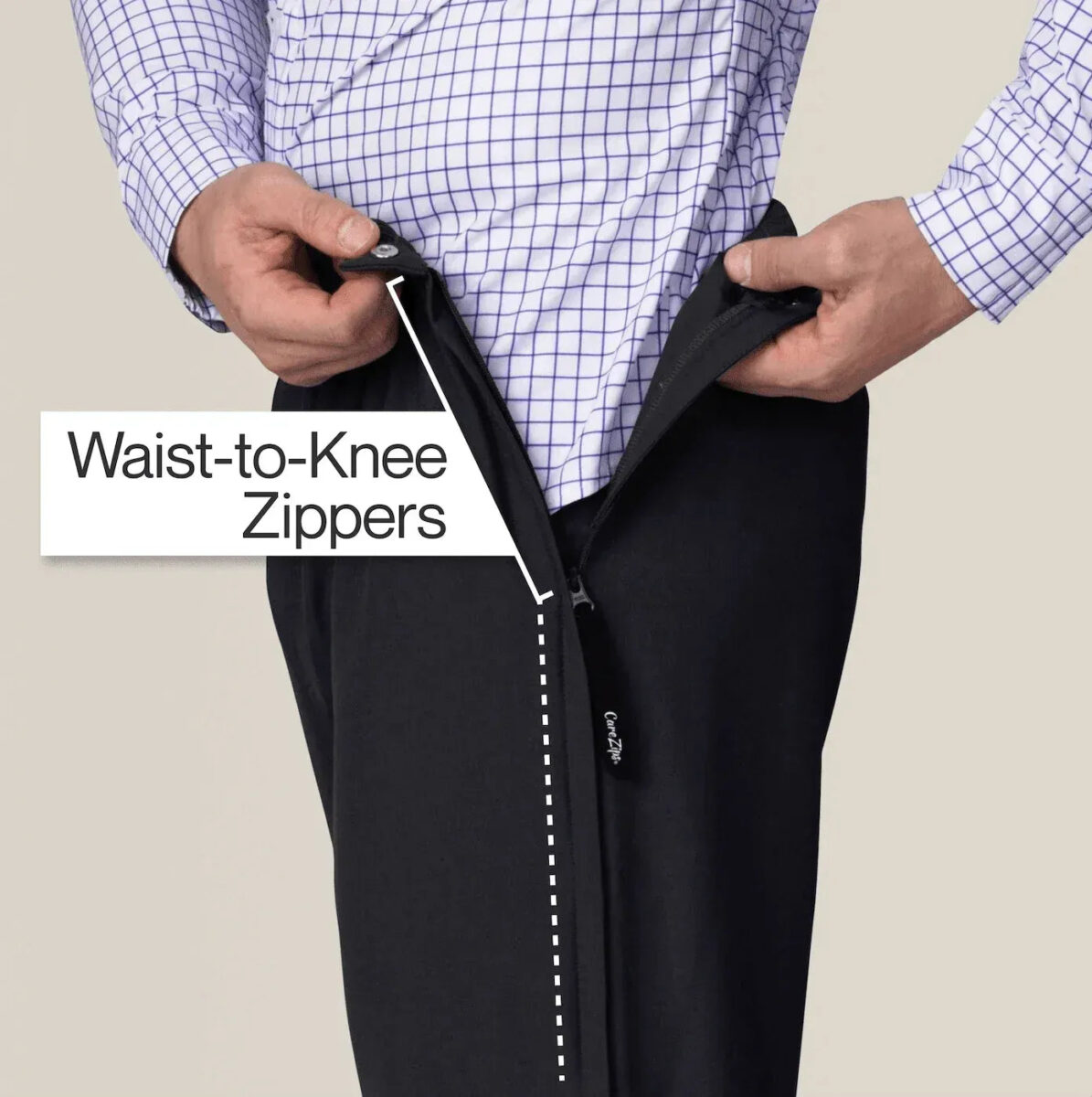
Adaptive clothing can be especially helpful when dementia is combined with physical dressing challenges.
The best adaptive clothing for dementia usually does not look clinical. It simply reduces the effort involved in getting dressed.
Helpful features can include:
These kinds of changes can reduce frustration for both the person getting dressed and the caregiver helping.
It may be time to rethink clothing choices if your loved one:
Sometimes families think the answer is to keep pushing through the routine. In reality, the better answer may be to remove some of the friction.
This may be the most important part.
Even when dressing is difficult, dignity should stay at the center of care.
A few simple habits help:
Dressing does not need to become a battle. Often the biggest improvement comes when the routine feels calmer, simpler, and more respectful.
If dressing has become one of the hardest parts of the day, you are not alone. This is one of the most common and emotional challenges caregivers face in dementia care.
The good news is that dressing struggles are not random. They usually point to something specific: confusion, discomfort, too many steps, pain, or loss of control.
When caregivers respond by simplifying the routine, adjusting the clothing, and protecting dignity, daily life often becomes more manageable for everyone involved.
Originally Published on https://joeandbella.com/blogs/news