

Ethics is about knowing what is right and wrong—and choosing to do what’s right. It’s a system of moral principles that guides how we think, behave, and make decisions. While some people think of ethics as an abstract or academic subject, the truth is that ethics is deeply woven into our daily lives. Every time we make a choice—whether it’s returning extra change a cashier accidentally gave you, standing up for someone who’s being treated unfairly, or being honest in a difficult situation—we’re engaging with ethics. Ethics doesn’t only tell us what not to do; it also shows us how to live in a way that promotes fairness, kindness, and respect for others. Think of it like a compass for human behavior, it doesn’t force you to take the right path, but it points you in the right direction. Without ethics, society would descend into chaos, because there would be no shared understanding of acceptable conduct. The interesting thing about ethics is that it’s not always about clear black-and-white choices. Often, we face gray areas—complex situations where there’s no obvious answer. That’s when ethics becomes not just a guideline but a skill we develop through learning, reflection, and experience.
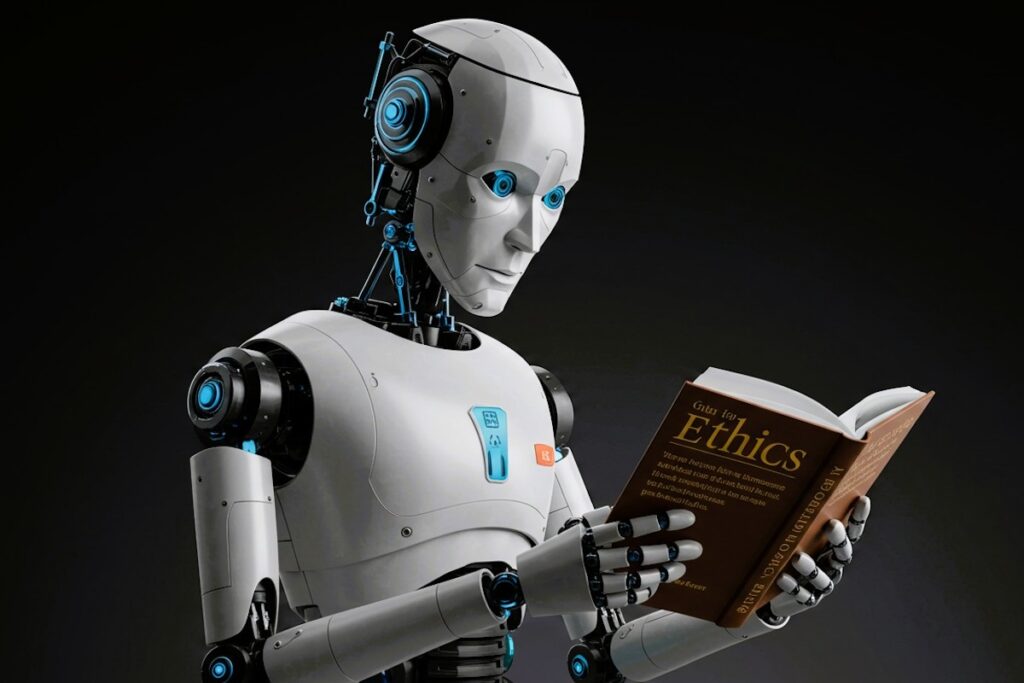
Ethics, morals, and laws often get lumped together, but they are not the same thing. Morals are personal beliefs about right and wrong—these can be shaped by culture, religion, Family, and personal experiences. Laws, on the other hand, are formal rules created by governments to maintain order and protect citizens. Ethics is broader—it’s the philosophical study of morality. Ethics asks the why behind the rules. As an example, a law might say it is illegal to steal. Morality tells us stealing is wrong because it harms others, while ethics explores why stealing is wrong in the first place and whether there are circumstances that might justify it. Another example could be in some countries; it might be legal to dump certain types of industrial waste into the ocean. Legally, the company is in the clear. But ethically? That’s another story because it harms marine life, ecosystems, and future generations. This is where ethics pushes us beyond what’s legal toward what’s truly right.
Ethics influences almost every interaction we have, whether it’s with family, friends, colleagues, or strangers. Without ethics trust disappears, Relationships break down and communities stop functioning. Imagine a society where everyone acted only in their own self-interest—traffic rules would be ignored, contracts would mean nothing, and people would lie or cheat whenever it benefited them. Ethics is the glue that holds social life together. Even on a personal level, ethics matters because it shapes your character. The choices you make—even when no one is watching—define who you are. People with strong ethical principles often earn respect, build lasting relationships, and lead more fulfilling lives.
Integrity is about being consistent, aligning your actions with your values, even when it’s inconvenient. Someone with integrity doesn’t just talk about honesty or kindness; they live it. Integrity is built by keeping your promises, admitting when you are wrong and treating others with respect, even when you disagree. A life without integrity is like a house with weak foundations—it might look fine on the outside, but it will eventually collapse. People notice integrity (or the lack of it) very quickly, and it’s one of the most important qualities for earning trust in both personal and professional relationships.
Every day we face decisions, some of which are small and others that may be life changing. Ethics provides the lens to evaluate our decision-making options. The first question may be whether it is legal. The second is it fair to all parties involved and the third may be would I be comfortable if my decision was made public. This way of thinking helps us avoid knee-jerk reactions and impulsive choices. Instead, you learn to pause, reflect, and choose actions you can be proud of.
Ethics plays a huge role in friendships, family ties, and romantic relationships. Trust, respect, and honesty aren’t just nice-to-have qualities, they’re ethical principles in action. When people act ethically toward each other, relationships thrive. When they don’t, resentment and distrust creep in. Imagine a friend who always keeps your secrets, supports you during hard times, and is honest with you even when it’s uncomfortable—that’s ethics at work.
Workplace ethics cover everything from honesty in communication to fairness in promotions. Professions like medicine, law, and engineering have strict ethical codes because their decisions can literally mean life or death. Even in less high-stakes jobs, ethical behavior builds a healthy work culture where people feel respected and valued. For example, if you take credit for a colleague’s idea, you might get a short-term boost—but in the long run, you lose trust and credibility. Ethical employees understand that success should never come at the expense of fairness.
When people stop caring about ethics, society suffers. Corruption spreads, inequality grows, and trust collapses. Without shared ethical values, people feel justified in exploiting others for personal gain. This leads to a breakdown of community bonds—neighbors stop looking out for each other, and institutions lose legitimacy. Think about everyday examples like cutting in line without caring about other people’s time, or spreading false rumors just to hurt someone, or ignoring safety rules that are put in place to protect the public. One unethical act may seem small, but when multiplied across millions of people, the effects can be devastating.
While ethics and laws aren’t the same, breaking ethical principles often leads to breaking legal ones. Fraud, theft, bribery, and discrimination are not only unethical—they’re crimes. People who think they can “get away with it” often find themselves facing fines, lawsuits, or even prison. Even if no law is broken, unethical actions can still have legal consequences through civil lawsuits. For example, a company that lies about product safety may be sued by consumers for damages, even if no criminal charges are filed.
Your personal reputation is like a bank account—it takes years to build up and seconds to drain. Once people see you as dishonest or selfish, it’s incredibly hard to change their minds. Even if you’re forgiven, the shadow of unethical choices can follow you for decades. In the age of social media, reputational damage spreads faster than ever. A single unethical act caught on camera or exposed online can go viral, costing you job opportunities, friendships, and respect. That’s why living ethically isn’t just about “being good”—it’s about protecting your future.
Ethics isn’t just about following a set of rules, it’s about reasoning through complex situations. Critical thinking helps you spot hidden biases, challenge assumptions and see problems from multiple angles. When you combine ethics with critical thinking, you move beyond blind rule-following and into thoughtful, responsible decision-making.
Your personal ethical code is like a moral roadmap. It’s a set of principles you commit to following, regardless of outside pressure. Decide what your core values are like honesty, fairness and compassion. Think about the times you were proud of your choices and what values you were honoring. Know how you will handle common ethical challenges in advance. Having a clear code helps you stay consistent, even when Emotions are high or the stakes are big. It also makes it easier to explain your decisions to others, because you can point to the principles behind them.

Living ethically isn’t about being perfect. It’s about making the best choices you can, consistently, even when it’s hard or inconvenient. Start small—be honest, keep your promises, treat others with respect—and watch how those actions ripple out into the world. Ethics isn’t a burden; it’s a superpower. It gives you credibility, strengthens your relationships, and gives you peace of mind knowing you’re living in alignment with values. The question isn’t “Why do I need ethics?”—it’s “How can I live without them?
Ethics isn’t just a set of rules, it’s the moral foundation that allows humans to live and work together peacefully. Without it, society becomes chaotic, trust vanishes, and relationships crumble. From ancient philosophy to modern Technology, ethics has been the guiding force that shapes fairness, justice, and compassion. When we act ethically, we’re not just following rules—we’re shaping a world where people can rely on one another. We’re making life better, not just for ourselves, but for the generations that come after us.