
Part 2 of a 3-part series highlighting some of the key insights from the 2025 Year-End RTA report. Download your copy today for free. Check out Part 1.
I am a Vice President of Sales. That is a title I tell people when I am working.
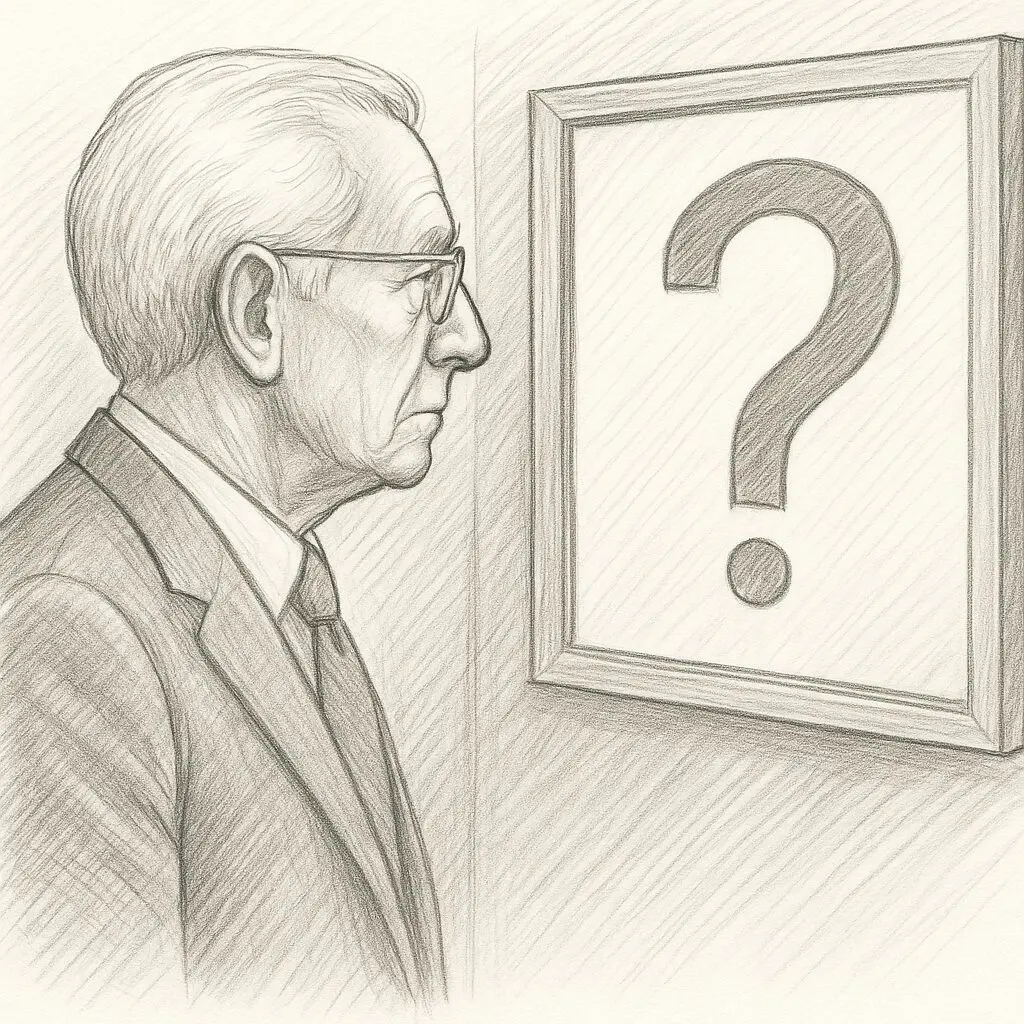
What happens when I choose to retire? What do I call myself? How do I identify?
There’s an uncomfortable truth that catches a lot of high-performing professionals off guard. Retirement doesn’t just challenge your schedule. It challenges your identity.
According to the 2025 Retirement Time Analysis (RTA), a surprising number of participants – particularly those in leadership or specialized roles – showed low confidence and Clarity in their post-career identity. Even in their late 50s and 60s, many still defined themselves primarily by their title, career path, or company.
That’s not necessarily wrong. But it becomes a problem when that identity is the only one they know how to live.
That’s why I have been Investing time expanding the characteristics that define me. Sure, VP of Sales is one. Yet, I am a writer. I’m an author. I’m a coach.
I am focusing on pursuits that bring me meaning and purpose – in both my personal and professional lives. I have eliminated a “single point of failure.”
The 2025 RTA Year-End Report combines data from all Retirement Time Analysis assessments in 2025 to highlight areas of time vulnerability when career ends and retirement life begins and what can be done.
When someone says, “I’m the VP of Sales,” or “I’ve been an attorney for 30 years,” that’s not just a statement of fact. It’s a declaration of value. The moment that role is gone, many people don’t know what to say about themselves anymore.
In the 2025 RTA data, we found:
All of these define single points of identity failure.
Career identity is reinforced for decades. It becomes the funnel for major life decisions.
Your daily routine is built around your title. Your social life is shaped by your network. Your value is measured in output, promotions, and performance. It’s not bad, it’s your environment.
This ecosystem becomes especially tricky for high achievers. When they retire, they lose the external validation, the urgency, and the recognition. If nothing internal has replaced it? They feel lost.
It’s not about ego. It’s about purpose. Does this sound familiar?
What happens when “what you do” no longer defines “who you are”? Make no mistake, this will happen eventually. Life and age will catch up.
Here’s how to start redefining yourself before retirement hits:
Shift from “I am a [title]” to “I’m someone who helps [outcome or people].”
For example: Instead of “I’m a financial advisor,” try “I guide people through major life transitions with confidence.” That framing survives retirement.
Volunteer. Mentor. Start that side project. If income is no longer an issue explore passions outside your paycheck. If your only sense of contribution is tied to your vocation, that’s a risk.
Audit the Relationships You Want to Keep. How much of your network is tied to your job? Most people lose 50% of their personal contacts the day they retire. Begin investing in personal, local, or interest-based communities that don’t disappear when you live post-career.
Take the RTA and Get Your Score. The Retirement Time Analysis doesn’t just measure how much free time you’ll have – it helps clarify your readiness across mindset, Lifestyle, and purpose.
Set a plan to not retire but reintroduce yourself. You’re more than your title. But if you don’t know that yet, retirement will force the issue.
David Buck is the author of the book The Time-Optimized Life, coauthor of The Retirement Collective, and owner of Kairos (Time) Management Solutions, LLC. Learn how to apply the concepts of proactively planning and using your time. Take the Time Management Analysis (TMA), and the to help bring more quality time into your life.
Content development for this article involved human expertise supported by AI-generated analysis and formatting.
The post Avoiding the Retirement Identity Trap first appeared on Infinity Lifestyle Design.