

Grief is more than just a fleeting sadness. It’s an earthquake that shakes the very foundation of our emotional world. When someone we Love is no longer with us—whether due to death, a breakup, or another kind of loss—it can feel like a piece of us has been ripped away. That overwhelming wave of pain, confusion, and emotional paralysis? That’s grief. And if you’ve ever found yourself curled up in bed, unable to eat, think, or even cry—just numb—that’s the silent scream of a heart in mourning.
Grief hurts because it taps into our deepest emotional reserves. It pulls up every ounce of love, every memory, every hope and dream we held with that person. It’s not just mourning absence; it’s mourning the future we imagined with them. And sometimes, it’s mourning a part of our identity that was intertwined with theirs. But what makes grief so complex and physically painful?
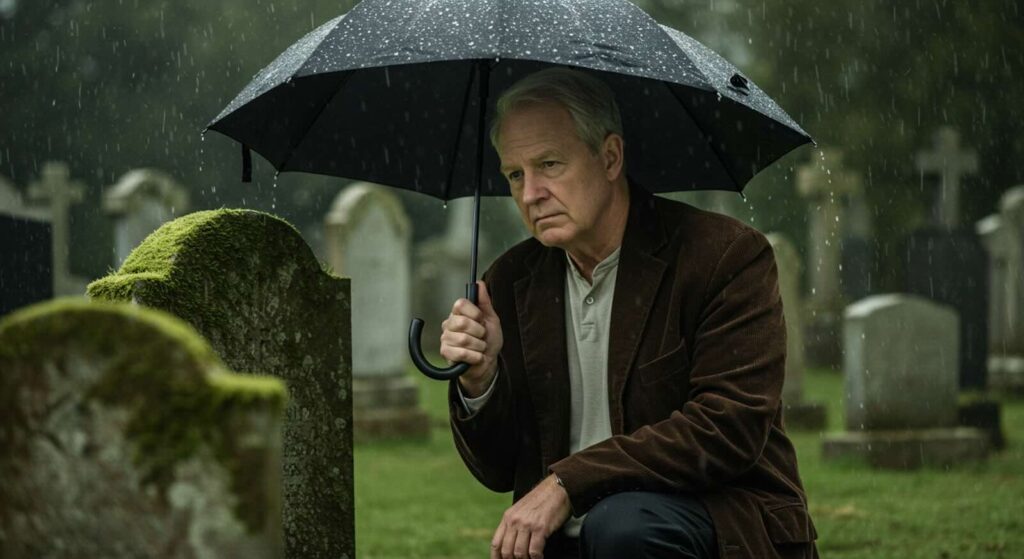
Grief is the natural response to loss. It’s not limited to the death of a loved one; people grieve over breakups, job losses, chronic illness, infertility, or even losing a pet. It’s a multi-layered emotional experience that often includes sadness, anger, guilt, regret, longing, and even moments of relief or numbness. What’s important to understand is that grief is personal. No two people grieve in the same way. One person might cry uncontrollably while another might stay quiet and withdrawn. Some move through grief quickly, others feel stuck for years. The emotional spectrum of grief is vast and nonlinear.
It’s crucial to distinguish between grief and ordinary sadness. Sadness is an emotion; grief is an experience. Sadness might come and go in waves, usually in response to specific events. Grief, on the other hand, can change your worldview. It often persists longer, affects your identity, and seeps into every part of life—from your Sleep and appetite to your ability to feel joy. Imagine sadness as a passing rainstorm, while grief is a season. You don’t just wait for it to pass, you have to live through it, adjust to it, and learn from it. Grief requires adaptation, and that’s where the pain lies: in learning to live in a world that no longer feels whole.
Grief isn’t just about feeling bad, it’s about struggling with a new reality. Our brains are hardwired to form attachments. When someone becomes a part of our lives, our minds and bodies synchronize with their presence. Their voice, their habits, their touch—they all become ingrained in our daily rhythm.
When that person is suddenly gone, we experience emotional whiplash. It’s like trying to dance with a partner who has disappeared mid-song. The psychological dissonance is exhausting. We’re constantly reminded of their absence—an empty chair, a scent, a voicemail—and each reminder reignites the pain. The mental disruption often leads to Anxiety, Depression, and even identity crises. Who are we without them? What does life look like now? Those aren’t easy questions, and they don’t have quick answers.
Believe it or not, grief can cause real, physical pain. When we experience emotional distress, our bodies respond by releasing Stress hormones like cortisol and adrenaline. This puts our system in a constant state of fight or flight, which is incredibly draining. Studies have shown that areas in the brain that process physical pain—like the anterior cingulate cortex—also light up when we experience social or emotional loss. That’s why grief can feel like a punch in the gut or a tightening in the chest. It’s not “just in your head.” Your body is literally mourning, too.
Our brains love patterns. When we form a close bond with someone, our brain creates neural pathways linked to their presence. We anticipate their voice, their texts, their hugs. When they’re gone, those pathways become disrupted. This disruption doesn’t just cause emotional confusion—it physically hurts. Neuroscience research shows that grief affects the brain’s reward and memory centers, triggering symptoms similar to withdrawal from addiction. It’s like your brain is constantly searching for that person and panicking every time it can’t find them.
Most people associate grief with what comes after a loss—but there’s a lesser-known type called anticipatory grief. This happens when you’re preparing yourself emotionally for a future loss. For example, watching a loved one battle a terminal illness, or knowing a relationship is coming to an end, can trigger feelings of grief long before the actual event occurs. Anticipatory grief can be just as intense and confusing as reactive grief. You may feel helpless, anxious, or even guilty for mourning someone who is still alive. This type of grief often brings waves of sadness mixed with moments of denial or hope. You might try to “mentally prepare” for the worst, but grief rarely follows a script. It can still hit hard when the loss finally happens, despite the time you spend bracing for it.
For some, grief doesn’t ease over time. Instead, it lingers like a shadow that never lifts. This is called complicated grief—a chronic, heightened state of mourning that disrupts daily life. People experiencing this type of grief often feel stuck, like they can’t move on or find meaning in anything anymore.
Disenfranchised grief happens when your loss isn’t acknowledged or validated by society. This can make the grieving process feel even more isolating. Examples include losing a pet, experiencing a miscarriage or the death of an ex-partner. When society denies your right to grieve, it becomes harder to process the pain. You may feel like you’re not “allowed” to mourn or seek support. But every loss is valid, and every person has a right to grieve in their own way.
Denial and Shock
Denial is often the brain’s first defense mechanism. When the news of a loss hits, it can feel surreal—like it’s not really happening. This is especially true in sudden or unexpected losses. You might find yourself saying, “This can’t be real,” or continuing to expect a call or message from the person who’s gone. Shock serves as a cushion, protecting us from the full weight of the emotional blow. But the numbness doesn’t mean you don’t care—it means your system is overwhelmed. Denial gives you the space to start absorbing the loss gradually, instead of all at once.
Anger and Bargaining
Once the numbness starts to wear off, anger often moves in. It can be directed at almost anything—yourself, doctors, fate, even the person who died. “Why did this happen?” “Why didn’t I do more?” These questions swirl around with no satisfying answers. Then comes bargaining. It’s that mental back-and-forth where we try to negotiate our way out of pain. You might think, “If I just do this one thing, maybe I won’t feel so bad,” or “Maybe if I pray hard enough, they’ll come back.” Bargaining is an attempt to regain control, even if we know deep down that control is gone.
Depression and Acceptance
Depression in grief is not just feeling “blue.” It’s a heavy, consuming sadness that makes everything feel meaningless. You may lose interest in things you once loved, struggle to get out of bed, or question whether joy will ever return. But eventually, with time and support, many reach acceptance—not happiness, but a form of peace. Acceptance doesn’t mean the pain is gone, but it means you’ve begun to understand the reality of the loss and are learning to live with it. It’s about integrating that pain into your story without letting it define you.
Emotional Healing Over Time
Grief doesn’t mean you stop living, it means you learn to live differently. Over time, the intensity softens. You begin to smile at memories. Laughter returns. Colors look brighter. You still carry the loss, but it no longer crushes you. Healing doesn’t mean forgetting. It means remembering with love, not just pain. It means telling stories, celebrating milestones, and finding new ways to connect with the one you lost. It means allowing joy and sorrow to coexist.
You might surprise yourself with your strength. You might find deeper empathy, a stronger sense of purpose, or a new appreciation for the people still in your life. That’s the hope beyond the hurt—not that you go back to who you were, but that you grow into someone wiser, softer, and more whole.
Joy doesn’t cancel out grief—but it does offer relief. Allow yourself to feel joy when it comes, without guilt. Laugh at a joke. Dance to a song. Go for a walk. Make plans for the future. These moments don’t dishonor your grief—they honor your resilience. Grief changes you, but it doesn’t have to define you. You are still here. You are still capable of love, laughter, and life. And in your healing, you carry the Legacy of those you’ve lost forward—with every breath, every step, every heartbeat.
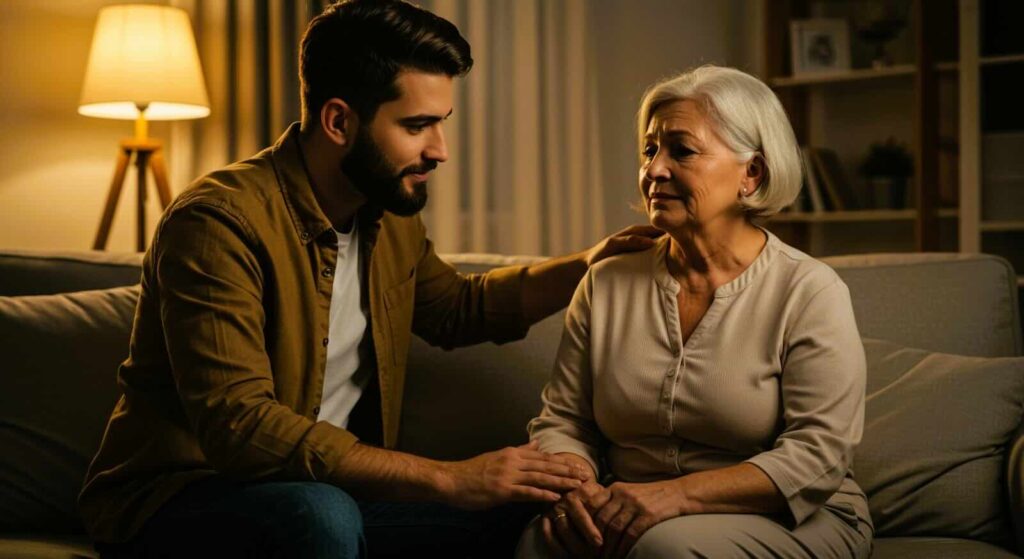
Grief hurts so much because it stems from love. The deeper the bond, the deeper the ache. It’s not just an emotion, it’s a full-body experience, a spiritual transformation, and a journey of the soul. While the pain can feel unbearable, it’s also a sign that your heart is still beating, still loving, still human.
Grief doesn’t have a finish line. It’s not something you “get over.” It’s something you grow through, something that shapes your story. But within that story lies hope—hope for healing, for joy, for meaning, and for life after loss. Be patient with yourself. Be gentle. And above all, know that you’re not alone.