
Pickleball isn’t just a passing fad—it’s a full-blown cultural phenomenon, especially among Baby Boomers. This group is diving into this sport like never before. But why? It’s not just about whacking a wiffle ball over a net. For boomers, pickleball offers a magical blend of Health, nostalgia, friendship, and fun. Imagine a sport that’s light on your joints, heavy on community, and easy to pick up no matter your age. That’s the essence of pickleball. It’s a little bit of tennis, a little bit of ping pong, and a whole lot of joy—and for baby boomers, it just clicks.
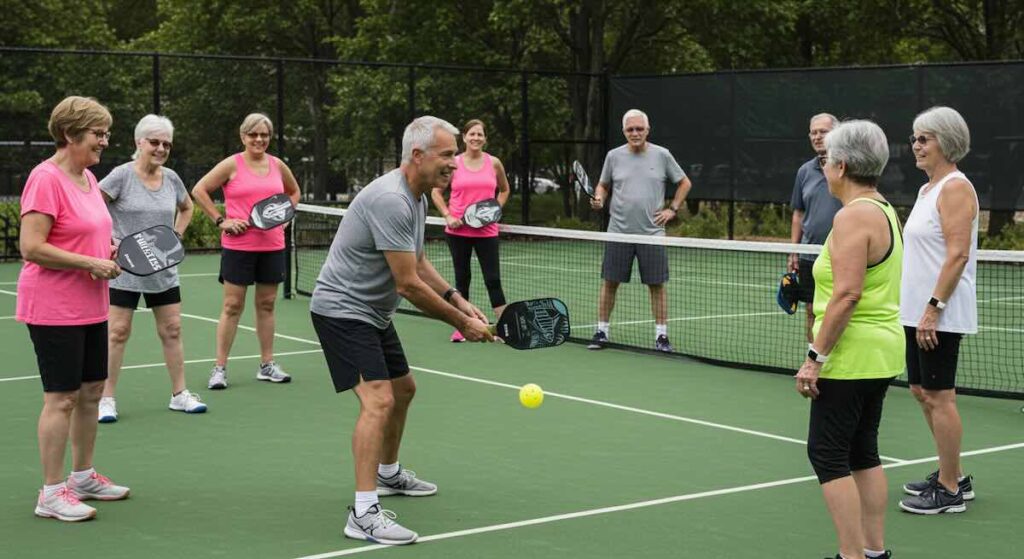
Pickleball is a paddle sport that combines elements of tennis, badminton, and table tennis. It’s played on a small court with a net, a plastic ball with holes (similar to a wiffle ball), and solid paddles. Players can play one-on-one or in doubles, and the objective is simple: keep the ball in play, score points, and have a blast. The simplicity of the game is one of its biggest appeals, especially for those who may not be able to sprint across a full-sized tennis court anymore. It doesn’t require the lightning-fast reflexes or endurance of more intense sports. The paddle is lightweight, the ball moves slower than a tennis ball, and the rules are straightforward. All of these factors make it incredibly approachable. It’s a sport that doesn’t punish you for Aging—it celebrates your ability to move and have fun, no matter your age.
Born in 1965 on Bainbridge Island, Washington, pickleball was created by three dads—Joel Pritchard, Bill Bell, and Barney McCallum—who wanted to entertain their kids. They improvised with what they had: ping pong paddles, a badminton net, and a perforated plastic ball. What started as a backyard game slowly spread across neighborhoods, parks, and eventually the world. Ironically, pickleball’s creation nearly coincides with the beginning of the baby Boomer Generation’s childhood. Maybe that’s why the game feels so familiar and comforting to boomers—it literally grew up with them. Today, pickleball is the fastest-growing sport in the U.S., and baby boomers are at the heart of that Growth. From community centers to Retirement homes, from parks to private clubs, boomers have embraced the game as part of their Lifestyle.
There’s no single answer, it’s a combination of health benefits, social interaction, nostalgia, and accessibility. Pickleball meets the needs of the baby boomer generation in a way few other sports do. It’s easy on the body, doesn’t require a lot of gear, and can be enjoyed casually or competitively. Also, it’s inclusive. Whether you’re in peak shape or dealing with a knee replacement, you can find your place on a pickleball court. And then there’s the community. Pickleball players often say they come for the game but stay for the people. For boomers, who may be retiring, moving to new communities, or dealing with life changes, this kind of camaraderie is invaluable.
One of the top reasons boomers flock to pickleball is how forgiving it is on the body. As we age, joints become more sensitive, recovery slows, and high-impact sports can do more harm than good. Pickleball, however, offers a gentler way to stay active. The court is small, so there’s less running. The ball moves slower, reducing strain. And the paddles are lightweight, making them easier to handle for wrists and elbows. You don’t need to leap or lunge or dive to enjoy the game. Movement is more controlled and balanced, allowing players to get Exercise without overexerting themselves. It’s also great for people recovering from surgeries or managing Chronic Conditions like Arthritis. This low-impact nature makes it one of the safest and most sustainable sports for older adults.
Even though pickleball is low impact, it still packs a punch when it comes to heart health and muscular endurance. A few games a week can significantly boost cardiovascular fitness. The constant lateral movement, changes in direction, and quick footwork all keep the heart pumping and muscles engaged. Plus, it’s a full-body workout. Your legs are moving, your arms are swinging, your core is stabilizing, it’s an all-in-one fitness package. Studies have shown that seniors who play pickleball regularly improve their balance, coordination, and overall strength. These benefits translate into everyday life, making it easier to climb stairs, carry groceries, or simply maintain independence.
Exercise is a well-known Stress buster, and pickleball is no exception. It gets you outside, gets you moving, and gets those feel-good endorphins flowing. For baby boomers, many of whom may be dealing with retirement adjustments, health scares, or the loss of loved ones, pickleball offers a joyful escape. It’s a place to laugh, sweat, and forget your worries—even if just for a while. The rhythmic nature of the game is almost meditative. There’s something therapeutic about focusing on a bouncing ball, syncing with your partner, and enjoying the moment. Unlike solitary workouts or high-pressure sports, pickleball has a flow to it that naturally lifts the spirit.
Pickleball isn’t just physical, it’s mental, too. It keeps your brain sharp. You’re making split-second decisions, reading opponents’ moves, and coordinating strategies—all of which stimulate cognitive function. For boomers, this is vital. Mental stimulation is key to aging well, and pickleball delivers it in spades. The game also builds confidence. Winning a point, mastering a serve, or just improving over time brings a sense of accomplishment. And when you feel good about what your body can still do, that confidence spills over into other areas of life.
Loneliness and isolation can become serious challenges as people grow older. Many baby boomers find themselves missing the daily interactions they had while working. Pickleball steps in not just as a game but as a powerful social outlet. The courts are alive with laughter, banter, and high-fives. People of all skill levels gather together with a shared Love for the game—and that’s where the magic happens. Pickleball games are typically quick, making it easy for players to rotate in and out and meet new people. Unlike more rigid sports leagues or gym workouts, pickleball encourages mingling and conversation. Before and after matches, players hang around, chat, and build friendships that often extend beyond the court. It’s no exaggeration to say that many boomers have found a second social life through pickleball.
For many boomers, pickleball has rekindled long-lost friendships and sparked new ones. Whether they’re reconnecting with neighbors or meeting new folks in a different town, the sport creates a natural bond. Doubles matches, in particular, foster teamwork and collaboration. You’re not just playing alongside someone, you’re strategizing, communicating, and celebrating wins (and losses) together.
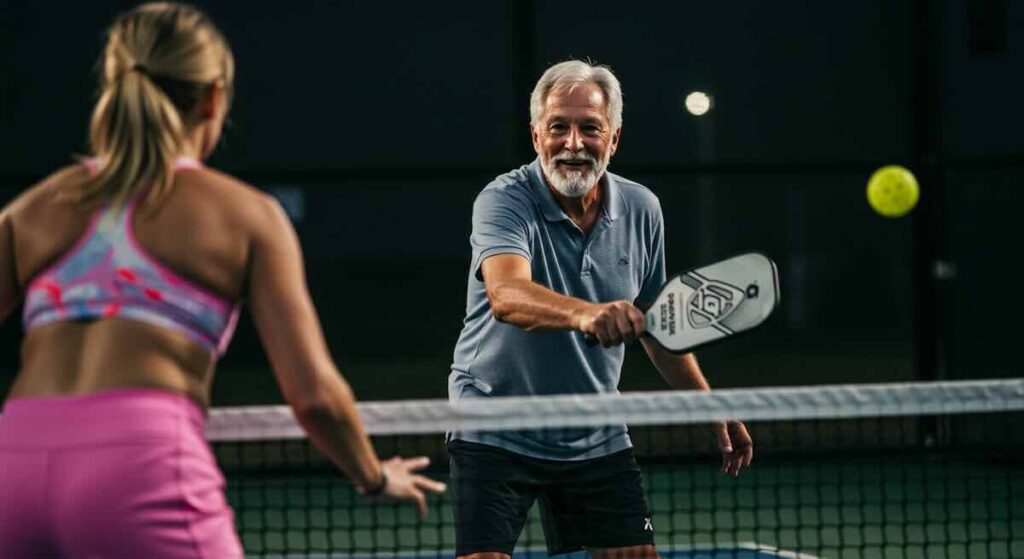
It’s also intergenerational. While the game is especially beloved by boomers, they’re not the only ones on the court. Many boomers enjoy playing with younger Family members or neighbors, leading to stronger family connections and greater community integration. When you step onto a pickleball court, age truly becomes just a number.
Pickleball isn’t just a family affair—it’s a cultural bridge. On the courts, age becomes irrelevant. A 70-year-old can partner with a 30-year-old and still hold their own. This kind of intergenerational interaction is rare in today’s world, where social and digital spaces tend to separate age groups. This sport promotes mutual respect and learning across ages. Young players bring energy and speed; older players bring strategy and experience. They form a team that’s stronger than the sum of its parts. For boomers, that means staying relevant, engaged, and connected to a younger world that often feels far away.
Pickleball and baby boomers—what a match. The game checks every box: it’s fun, easy to learn, low-impact, affordable, social, and filled with purpose. It helps boomers stay healthy, mentally sharp, emotionally fulfilled, and socially connected. Whether they’re playing in a park, a gym, or a sunny resort, boomers are redefining what aging looks like—one pickleball at a time. What started as a backyard pastime has become a cultural movement, and baby boomers are proudly leading the charge. And the best part? The joy, laughter, and friendships on the court prove that no matter your age, the game—and the good times—are far from over.