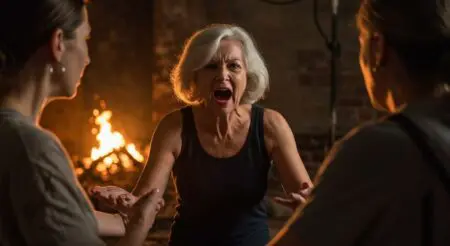

We often hear the phrase “Love is sweeter the second time around,” but is there any truth to it? Surprisingly, many people who step into their second Marriage find themselves happier, more stable, and better equipped for the journey. First marriages often come with a cocktail of unrealistic expectations, youthful impulsiveness, and a lack of experience. But by the time a second marriage rolls around, the lessons learned from the past become the foundation of something stronger.
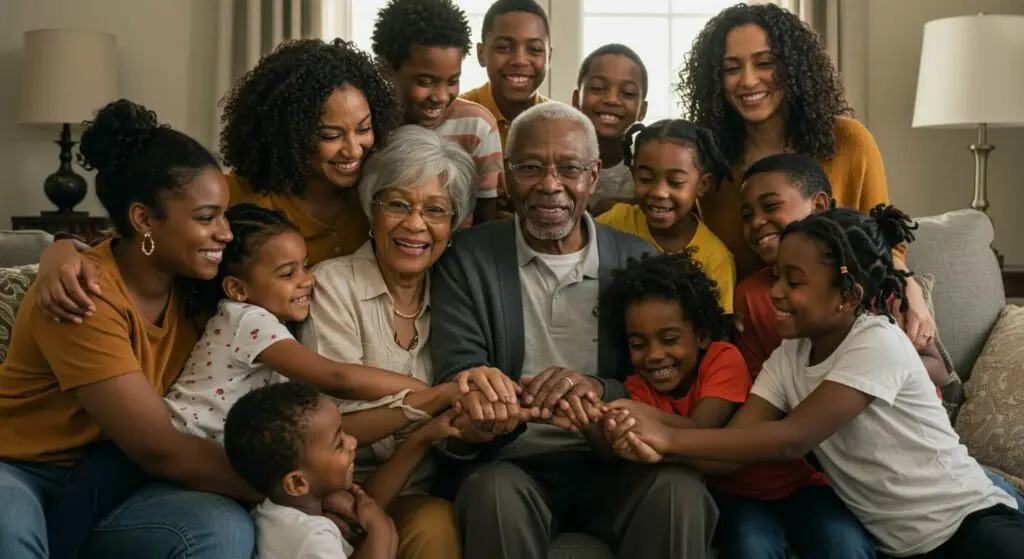
Second marriages are no longer seen as rare or taboo. According to Gitnux, over 40% of marriages today involve at least one partner who has been married before. That’s a huge shift from decades ago when Divorce and remarriage were met with judgment and whispers behind closed doors.
Why is this happening? Simply put, people are evolving. With the rise of individual empowerment and emotional intelligence, more people are recognizing when something isn’t working and aren’t afraid to start over. Divorce no longer signifies failure—it often reflects a conscious decision to pursue happiness and Growth. And when individuals enter second marriages, they tend to do so with greater awareness and a desire to get things right this time.
Let’s address a big myth: “If the first marriage didn’t work, the second won’t either.” That’s like saying if you failed one math test, you’ll fail every math test forever. Ridiculous, right? Second marriages are often treated as a backup plan, but in reality, they can be a smarter, more informed decision. While it’s true that many second marriages fail, many thrive—because they’re built on lessons learned from the first go-round. Second-time couples are often more selective, more honest about what they want, and less influenced by fantasy. They’ve lived through the emotional storms and know what to avoid. This Clarity can be the very thing that makes second marriages more successful and satisfying.
First marriages are often entered with stars in our eyes and little idea of what “forever” actually means. We rush in fueled by passion, societal pressure, or idealized love stories. But when it doesn’t work out, it leaves behind a trail of emotional lessons.
Second marriages benefit from that hard-earned Wisdom. Individuals learn what behaviors to avoid, what red flags not to ignore, and the importance of emotional intelligence. This doesn’t just make you a better spouse, it makes you a better communicator, listener, and partner. You start recognizing patterns: Maybe you avoided confrontation in your first marriage, and resentment built up. Maybe you prioritized your partner’s happiness over your own. Whatever the mistake, second-time lovers usually don’t make it twice. And that growth? It’s priceless.
By the time someone enters a second marriage, they’ve learned that marriage isn’t a fairy tale. There are bills to pay, conflicts to resolve, in-laws to manage, and schedules to juggle. That knowledge brings grounded expectations. People stop expecting perfection and start embracing real, messy, beautiful love. Instead of thinking, “This person will complete me,” the mindset shifts to, “We’ll complement each other.” That difference in thinking alone sets the stage for a healthier, more durable relationship. Emotional maturity doesn’t mean the absence of conflict—it means handling conflict like an adult, without turning it into a battlefield.
In first marriages, communication is often the silent killer. Whether it’s bottling up Emotions, avoiding hard conversations, or misinterpreting signals, miscommunication can erode even the strongest bond. By the second marriage, people are usually more in tune with the importance of honest dialogue.
Second-time couples tend to be more open about their needs, feelings, and boundaries. They’ve experienced the fallout of silence and misunderstandings before, and they don’t want to go down that road again. That openness leads to trust, and trust is the glue that keeps a relationship strong even when the winds of life try to tear it apart.
Let’s face it—fighting is inevitable. But how you fight makes all the difference. In a first marriage, arguments often spiral into shouting matches or passive-aggressive silence. But second marriages usually feature more controlled, solution-focused conflict resolution. People become less interested in “winning” the argument and more focused on “fixing” the issue. They know that it’s not about proving who’s right, it’s about protecting the relationship. That shift changes everything. Arguments become growth opportunities instead of deal-breakers.
In the glow of first love, it’s easy to get swept away by chemistry and charm. But infatuation fades—and when it does, what’s left? In second marriages, there’s a stronger emphasis on shared values, goals, and lifestyles. Couples tend to ask the right questions before saying “I do” the second time around. Do we want the same things in life? How do we handle Money? What are our Parenting styles? These practical but powerful questions help ensure compatibility beyond surface-level attraction.
Looks fade, charm can be misleading, and shared interests don’t always equate to long-term harmony. In second marriages, people tend to look deeper. They want partners who are emotionally stable, reliable, respectful, and supportive. Physical attraction is still important, of course—but it’s no longer the only factor. Emotional connection, mutual respect, and shared vision take center stage. And that shift often makes the second marriage far more fulfilling than the first.
Blending families can be tricky—but it can also be incredibly rewarding. Second marriages often involve children from one or both sides, which creates a whole new dynamic. While it comes with challenges, it also fosters a unique sense of teamwork. Successful second marriages treat parenting as a united front. Partners discuss parenting styles, discipline, boundaries, and how to support each other’s roles in the children’s lives. There’s a heightened awareness of how important it is to create stability for the kids. That focus on cooperation can deepen the bond between partners. Raising children together—especially in a blended setup—requires patience, communication, and adaptability. And those are the very qualities that strengthen a marriage.
Blended families often come with complexities. Ex-spouses, visitation schedules, and differing parental philosophies can create friction. But they also offer an opportunity for growth and deeper emotional intelligence. Couples in second marriages often go into these situations with eyes wide open. They understand the importance of establishing respect, setting expectations early, and nurturing all Relationships involved—not just their own. When managed with care, blended families become a symbol of resilience and unity. Children witness cooperation, emotional maturity, and what healthy love looks like—even if it didn’t work out the first time.
In second marriages, people often make emotional connection a priority. They understand the danger of shutting down or ignoring each other’s needs. They’ve learned that vulnerability isn’t a weakness, it’s the bridge to real Intimacy. Being emotionally available means showing up. It means listening, being present, offering support without judgment. That kind of presence builds a powerful emotional foundation that keeps the relationship strong through ups and downs.
Intimacy isn’t just about sex. It’s about closeness, safety, and mutual respect. In first marriages, intimacy can become routine or even strained by unresolved issues. But second marriages often bring a renewed focus on physical and emotional closeness. Trust plays a huge role here. With open communication and emotional safety, physical intimacy becomes more meaningful. It’s not about performance, it’s about connection. And because both partners are usually more self-assured and emotionally mature, the intimacy is often deeper and more satisfying.
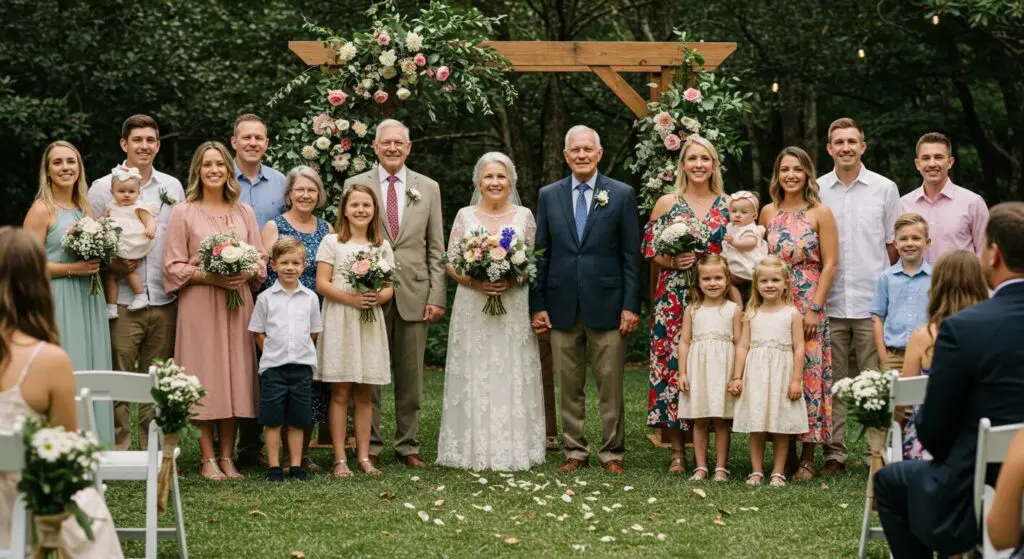
Second marriages are not Plan B. They’re not consolation prizes. They are often the reward for having survived heartbreak, learned from failure, and grown as a person. They are built on self-awareness, mutual respect, and emotional intelligence.
If first marriages are about passion and dreams, second marriages are about reality and commitment. They may not always come with a white dress or a grand party, but they come with something far more valuable—depth, maturity, and a love that knows how to last.