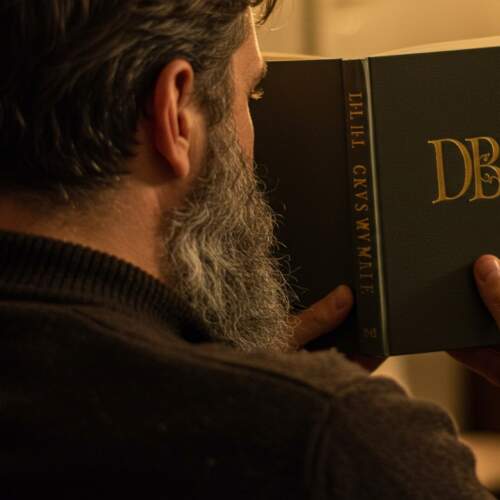

My brother and I grew up less than 2 years apart. Sibling rivalry between us was like a high-stakes emotional boot camp. I figured it was so intense because:
As we transitioned into young adulthood, our sibling rivalry evolved from squabbles over toys to silent competition over life achievements. Our developmental milestones—college decisions, first jobs, promotions—often occurred side-by-side. This proximity inadvertently turned our paths into a direct comparison. Whoever lands a high-paying job first or moves out and becomes independent earlier, ignited feelings of inadequacy or pressure on the other.

Parents play a pivotal role in shaping the dynamics between siblings, especially when they’re born so close in age. When rivalry begins in early childhood, proactive Parenting can significantly influence how it evolves. One of the most effective strategies is modeling respectful communication and emotional regulation. Children mirror adult behavior—if they see parents resolving conflicts calmly and fairly, they’re more likely to adopt the same approach.
Creating an environment where each child feels individually valued helps reduce competition. When children sense that Love and attention aren’t conditional or limited, the need to “outshine” a sibling diminishes. This means carving out one-on-one time with each child and celebrating their unique qualities—not just achievements. Parents must also avoid making comparisons, even subtle ones. Phrases like “Why can’t you be more like your brother?” or “He never gave us this much trouble” may seem harmless in the moment but can leave lasting scars and intensify rivalry. Instead, focusing on individual progress and using positive reinforcement goes a long way in building self-esteem and reducing the urge to compete.
Managing conflict between closely spaced brothers requires consistency, patience, and strategic thinking. Rather than always stepping in as referees, parents should teach children conflict resolution skills. Encourage them to express their feelings with “I” statements—like “I feel upset when you take my things without asking”—instead of blame-laden accusations.
Establishing household rules about respect and boundaries is another essential step. This includes setting consequences for physical fights, name-calling, or intentional sabotage. But beyond punishment, it’s important to guide them in resolving the issue—apologizing, compromising, and making amends. Shared Family activities that promote teamwork over competition can also be effective. Games, chores, or projects where brothers must collaborate can help build empathy and reduce hostility. Rewarding cooperation reinforces the idea that they’re on the same team, not enemies.
Above all, emotional availability is key. When children know they can express jealousy, anger, or hurt without being shamed or dismissed, it diffuses the intensity of those Emotions. Parents who listen without judgment empower their children to process and eventually outgrow rivalry.
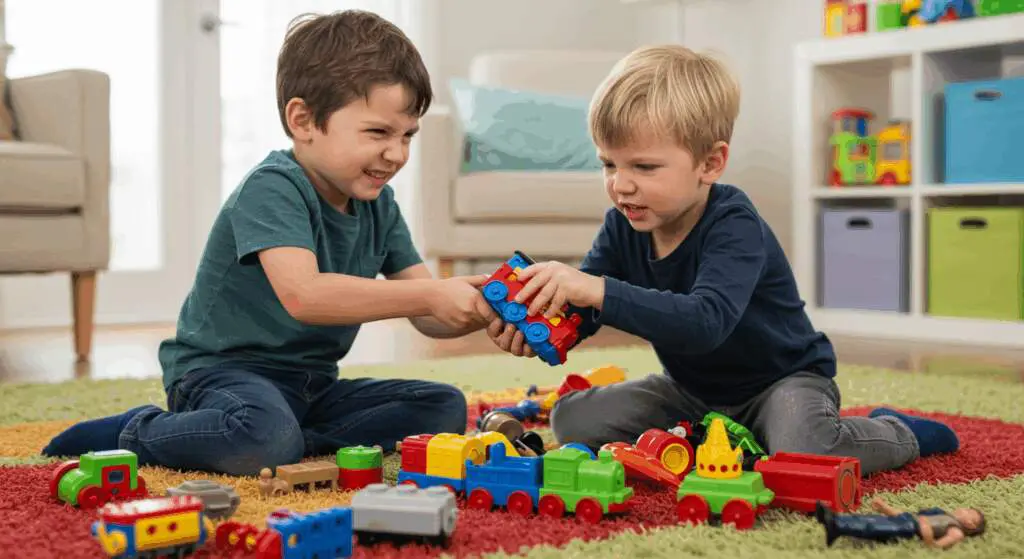
Sibling rivalry isn’t inherently bad—it can teach negotiation, empathy, and resilience. But when it turns toxic or persistent, it’s worth exploring deeper dynamics like parental differential treatment or temperament mismatches.
Romantic Relationships add a new dimension to sibling rivalry. If one brother finds love and settles down sooner, it can unintentionally spark feelings of envy in the other. It’s not just about the romantic aspect, it’s the perception of emotional maturity, societal validation, and even financial stability that often accompanies such milestones.
Moreover, spouses or partners can unknowingly intensify existing rivalries. One partner might notice and comment on the competitive streak between brothers, adding an external viewpoint to the mix. There’s also the issue of divided family time. Holidays and events once shared now have to be split between in-laws and new responsibilities. These changes can disrupt the equilibrium, leaving one sibling feeling sidelined. The solution lies in open communication and mutual respect—recognizing that while life paths may diverge, the sibling bond doesn’t have to fracture.
Interestingly, the most transformative phase for sibling relationships often arrives with Fatherhood. Raising children offers a shared experience that softens competitive edges. The challenges of parenting—sleepless nights, tantrums, school drama—create an empathy that transcends rivalry. Suddenly, both brothers are on similar footing again, facing the same hurdles and joys.
They begin to see each other not just as competitors but as allies. The same person who once stole your action figure now shares toddler tips or baby gear recommendations. There’s a natural camaraderie in navigating parenthood together. It’s not unusual for brothers to grow closer during this stage, trading stories of diaper disasters and celebrating each other’s fatherly milestones.
In some cases, this phase becomes the catalyst for reconciliation after years of tension. The shared love for their children, and the desire to create a peaceful family atmosphere, often supersedes past grudges. Their children become cousins who forge their own bonds, further knitting the family fabric together.
With age comes Wisdom. The petty arguments of youth begin to lose their sting. The need to “win” over a sibling diminishes as personal fulfillment and happiness take center stage. Emotional maturity helps both brothers recognize the futility of past conflicts and the value of familial ties. Apologies may be exchanged, even if unspoken. Gestures like showing up for important life events, helping during family emergencies, or simply making time for regular calls become powerful tools in rebuilding trust. By this stage, rivalry is no longer about dominance but perhaps light-hearted banter—fond memories that spark laughter rather than resentment.
Midlife brings its own set of challenges—career stagnation, Health scares, loss of parents—which often act as reality checks. During these times, brothers often reconnect on deeper emotional levels. The person who once drove you mad by copying your hairstyle now becomes your confidant, someone who understands your history like no one else can. Shared memories become sacred. Conversations start to revolve more around “remember when…” than “who’s doing better.” The competition fades, and what remains is a partnership, a siblinghood built on years of shared experience, both bitter and sweet.
As Retirement approaches, many siblings find themselves with more time and less Stress. It’s a golden opportunity to deepen bonds. Whether it’s traveling together, golfing, or simply having long coffee chats, the relationship often enters its most peaceful and fulfilling phase.
The absence of daily responsibilities and competition allows for a rediscovery of friendship. It’s not uncommon for Elderly brothers to become inseparable companions—laughing over old stories, bickering playfully, and offering each other support in the twilight years.
In many cases, the later stages of life bring a profound appreciation for one another. Rivalry is replaced by respect, love, and gratitude for having shared a lifetime together.
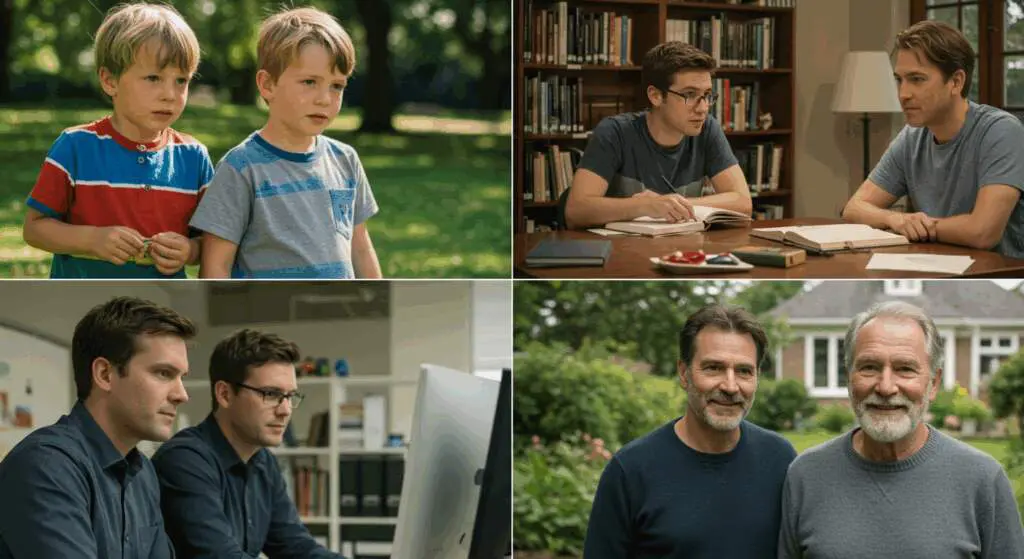
In the end, sibling rivalry is both a challenge and an opportunity. While the closeness in age may amplify competition, it also creates a unique bond that few others can understand. The shared history, mutual understanding, and deep-rooted connection offer a foundation that, with time and effort, can evolve into one of life’s most meaningful relationships.
Life is too short to let rivalry define such a powerful bond. With empathy, communication, and a willingness to change, even the most strained sibling relationships can transform into sources of strength, laughter, and unconditional love. Sibling rivalry between two boys born less than two years apart is a deeply human experience—marked by highs and lows, petty fights, and powerful Growth. From childhood spats to adult reconciliation, this unique bond can be both stormy and sacred. But with maturity, support, and a touch of humor, rivalry can give way to respect, closeness, and a brotherhood that stands the test of time.