
In a world increasingly dominated by screens and notifications, social media has redefined how we connect, share, and perceive the world. It’s no longer just a playground for the young — older generations are now actively engaging with it. But what exactly is social media, and how does it influence this older age group, known for growing up in a time of landlines and handwritten letters?

Social media refers to digital platforms that allow users to create, share, and interact with content and other users. It includes networks like Facebook, Instagram, Twitter (now X), TikTok, LinkedIn, and others. Originally designed to connect college students or tech-savvy youth, these platforms have grown into global giants, influencing politics, businesses, and personal Relationships.
The journey started with early platforms like Friendster and MySpace in the early 2000s. Facebook revolutionized the concept by bringing real-world social groups online, and the rise of mobile internet access accelerated this trend. Social media is a hub for news, Entertainment, learning, and commerce.
For Baby Boomers this evolution has been fascinating, if not overwhelming. Many were adults when the internet first appeared, and they’ve watched as communication shifted from physical to digital in just a couple of decades. Understanding social media means acknowledging this generational shift and the tools now at our fingertips.
Before the internet era, communication for baby boomers was intimate and tangible. They wrote letters, made phone calls, and met in person. The community was local — neighbors, church groups, social clubs. News came from newspapers and the evening broadcast, not push notifications. These habits ingrained a deep appreciation for privacy, accuracy, and face-to-face connections. So, when social media entered the scene with instant messages, memes, and hashtags, it felt both exciting and unsettling. Baby boomers have had to adjust not just to new tools, but to a whole new rhythm of communication — one that’s faster, more visual, and sometimes less personal.
There’s no shortage of social platforms today, each serving a unique purpose:
Unlike Millennials or Gen Z who prefer platforms like TikTok and Snapchat, boomers gravitate toward platforms with intuitive designs and clear value, for staying in touch with family or exploring hobbies.
So, why are baby boomers logging in, creating profiles, and scrolling through feeds?
Social media offers boomers more than just connections, it offers purpose, community, and entertainment. And for a generation used to flipping through newspapers and photo albums, this new form of content feels both novel and nostalgic.
Social media has also empowered baby boomers to become part of vibrant digital communities. For a generation used to social clubs, church gatherings, and local events, online groups offer a modern version of those interactions. And in many cases, the digital version is more accessible, especially for those with limited mobility or living in remote areas.
Facebook Groups are a prime example. Boomers join communities that focus on everything from classic cars and 60s music to Gardening, Travel, and book clubs. These groups provide spaces for sharing tips, asking questions, telling stories, and building friendships around common interests. It’s not unusual for members to form deep bonds and even meet up in person after months of virtual connection.
Moreover, social media allows for civic and political engagement. Boomers use platforms to:
This involvement helps maintain a sense of purpose, relevance, and empowerment — key components of emotional and psychological health. Rather than being sidelined by younger tech-savvy generations, boomers are claiming their digital space and shaping conversations.
Ironically, while social media helps combat loneliness, it can also contribute to it. Scrolling through highlight reels of others’ lives can trigger feelings of inadequacy or sadness — especially if a boomer is dealing with loss, health issues, or life changes like Retirement.
The problem lies in comparison. Seeing others vacationing, enjoying grandchildren, or celebrating anniversaries may lead some to question their own lives or feel left out. This “social comparison trap” affects all generations, but for baby boomers, it can hit particularly hard as they navigate the challenges of aging. In some cases, social media interactions may replace real-world ones, further deepening isolation. A comment on a post isn’t the same as a hug, a phone call, or a shared meal.
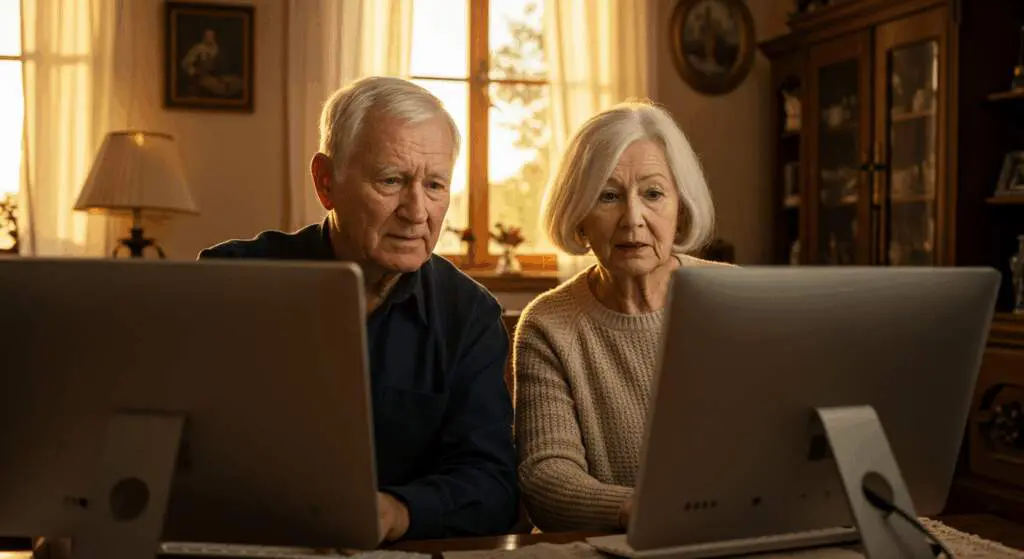
Social media has undeniably transformed how people interact with the world — and baby boomers are no exception. From being initially cautious to becoming some of the most active and engaged users, boomers have proven that adaptability isn’t reserved for the young. We have embraced Facebook for family updates, YouTube for learning, and digital communities for companionship and support.
But with all these benefits come a unique set of challenges: navigating complex interfaces, avoiding scams, and dealing with the emotional toll of digital comparison. Still, the resilience and curiosity of our generation shines through. We are not only learning to use social media but also shaping its landscape in meaningful ways — whether by reviving old friendships, starting new hobbies, or engaging in causes we care about.
For baby boomers, social media is more than a trend — it’s a lifeline. It bridges the gap between the analog past and the digital future, offering us not just connection but empowerment. And as platforms continue to evolve, too will the presence and impact of our generation online. The takeaway? No matter your age, social media is what you make of it. For baby boomers, it’s a new chapter — full of stories, relationships, and possibilities waiting to unfold.