
Volunteering is a powerful human tradition—freely offering your time, skills, or resources to help others without expecting any monetary reward. It’s an act that speaks volumes about empathy, community spirit, and selflessness. But in today’s fast-paced world, how often do we see people slowing down to lend a hand, not for profit but for the pure joy of giving?
At its core, volunteering bridges gaps between people, communities, and causes. It’s not limited to one type of person or profession, whether you’re tutoring underprivileged kids, walking shelter dogs, organizing a food drive, or even offering tech support to a nonprofit, you are part of a larger movement that prioritizes humanity over individual gain. What’s interesting is that volunteering is mutually beneficial. While you’re supporting others, you’re also learning, growing, and gaining experience. It’s a two-way street: the giver receives just as much, if not more, than the recipient.
In a society increasingly focused on hustle culture, the notion of doing something for nothing seems almost radical. But it’s this radical kindness that can transform not just communities, but individuals from within. Volunteering reconnects us with what it means to be human, to belong, and to care beyond our circle. If volunteering is such a noble act with countless benefits, why are fewer people engaging in it?
Modern Lifestyle and Time Scarcity
It’s no secret that modern life is hectic. Between juggling careers, Family responsibilities, social obligations, and personal goals, people today often feel like they don’t have a moment to spare. The 40-hour workweek has stretched into 60 hours for many, and even weekends aren’t sacred anymore. It’s little wonder that volunteering, which doesn’t offer a financial return, often gets pushed to the bottom of the priority list. We live in an era where every second is monetized. The rise of the gig Economy, remote work, and side hustles means more people are working around the clock. The pressure to always be productive can make volunteering feel like a luxury few can afford. After all, why give away time when you can use it to earn more Money, upgrade skills, or finally catch up on rest?
There’s also a psychological toll. Burnout is at an all-time high. People are emotionally and mentally drained, and the idea of committing to something else—even something as noble as volunteering—can feel overwhelming. The modern world praises busyness, not balance, and in that race, selfless service has become collateral damage.
Yet, this scarcity mindset is also what makes volunteering more essential than ever. When society is stretched thin, kindness and connection become lifelines. The very act of slowing down and giving back could be the antidote to the Stress-filled culture we’ve created.
Digital Age and Social Isolation
Paradoxically, we are more connected than ever and yet more isolated than any generation before us. Social media, texting, and video calls offer the illusion of closeness, but many people still feel profoundly alone. Physical community interactions have been replaced by virtual engagements that lack depth and authenticity. Gone are the days when neighbors regularly visited each other or congregated in town halls and churches. Many people don’t even know who lives next door. As a result, the natural opportunities for casual volunteering—like helping a neighbor move or organizing a local cleanup—have diminished.
Technology, while incredibly powerful, has contributed to this decline. Volunteer organizations struggle to reach people who are glued to their screens and conditioned for instant gratification. Why commit to regular shifts at a food bank when you can donate online with a click and feel like you’ve done your part?
However, digital tools aren’t the enemy. When harnessed correctly, they can actually help revitalize volunteerism. Platforms can connect people to causes quickly, and social media can raise awareness. But it takes intentional effort to move from passive digital engagement to active real-world involvement.
Personal Development and Skill Building
Volunteering is not a one-way street. Sure, you’re helping others—but you’re also gaining a lot in return. Volunteering is an underrated powerhouse for personal development. Whether you’re a student, a professional, or a retiree, volunteering can teach you more than any classroom or office ever could.
For young people, it’s a chance to gain real-world experience, build resumes, and explore potential career paths. Think about it: where else can a high school student learn event planning, public speaking, or data management in a hands-on, supportive environment? For working adults, volunteering can be a way to develop leadership skills, break out of routine, and even network. You might find yourself managing a team for a charity event or organizing logistics for a community fundraiser—tasks that can translate directly into professional Growth. Retirees, too, benefit enormously. Volunteering helps keep the mind sharp and the spirit active. It’s a way to stay engaged, contribute meaningfully, and pass on valuable knowledge to the next generation.
Moreover, volunteering fosters soft skills—empathy, teamwork, problem-solving, and communication—all of which are critical in any setting, personal or professional. You’re not just donating time; you’re Investing in yourself.
Emotional and Mental Health Benefits
Volunteering is good for your mental Health. Seriously good. Studies have shown that volunteering reduces stress, combats Depression, and increases happiness. When you help others, your brain releases dopamine and endorphins, those feel-good chemicals associated with joy and satisfaction. It’s known as the “helper’s high,” and it’s very real. Just a few hours a month can significantly improve your mood and give you a stronger sense of purpose.
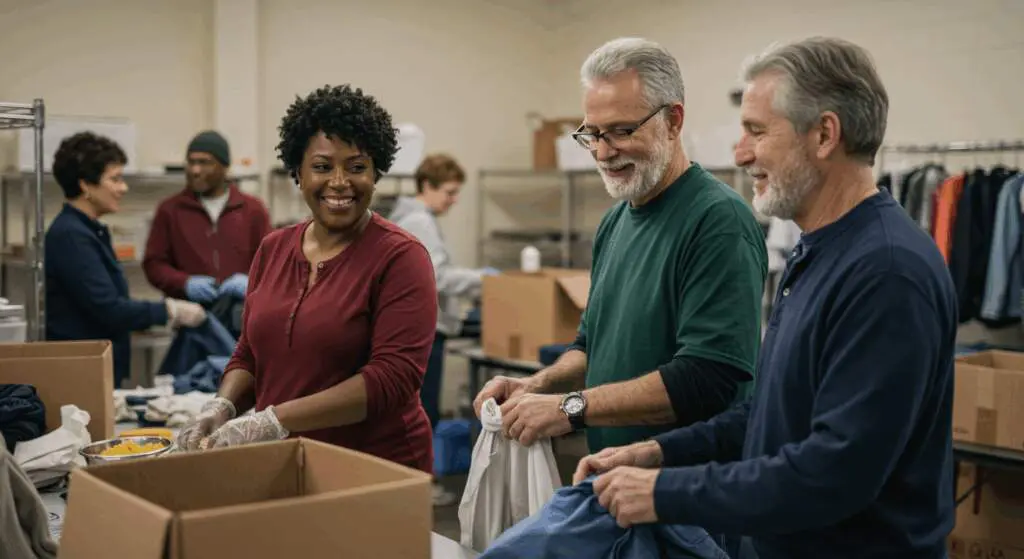
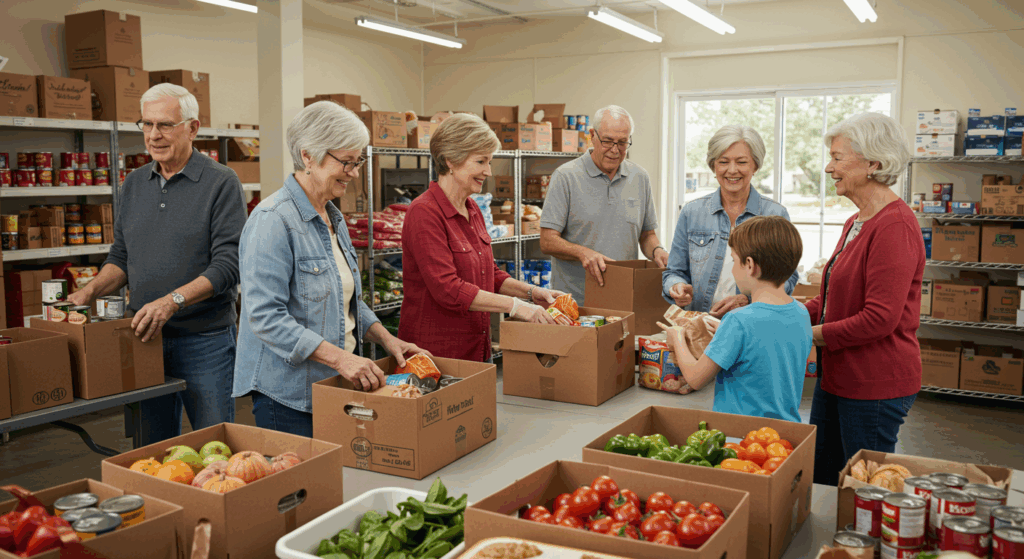
Volunteering also provides structure and routine, especially helpful for people dealing with Anxiety or transitioning through difficult phases of life, like Grief or Retirement. It offers a way to stay connected and grounded, reminding us that we are part of something larger than ourselves. Loneliness is another silent epidemic in our society. Volunteering offers a powerful remedy. Whether you’re packing boxes at a food bank or reading to children at a library, you’re surrounded by people with shared values. That camaraderie can be deeply healing. In a world that often feels chaotic and self-centered, volunteering provides Clarity and purpose. It reinforces the belief that one person can make a difference—and that, sometimes, is all you need to keep going.
Volunteering Strengthens Community Bonds and Supports Underserved Populations
Volunteering strengthens the fabric of society. When people give their time to community projects, neighborhood events, or local causes, they create a ripple effect. Others are inspired to pitch in. Bonds form across generations, backgrounds, and beliefs. That diversity of experience becomes a strength, not a barrier. Volunteer-driven initiatives often step in where governments fall short. Think of disaster relief efforts, food banks, literacy programs, or neighborhood watch groups. These grassroots movements are the heartbeat of communities. They address local needs in real-time, adapting faster and more effectively than bureaucratic systems can.
And let’s not forget the economic value. Volunteers contribute billions of dollars in unpaid labor each year. Their efforts support everything from public health campaigns to environmental cleanups, easing the burden on strained public resources. More importantly, volunteering instills a sense of ownership. People are more likely to care for a park they helped clean or support a shelter they’ve worked with. It transforms “the community” from an abstract concept into something personal and tangible.
Volunteers are often the first line of support for the most vulnerable in society—homeless individuals, refugees, the Elderly, at-risk youth. These are people who may fall through the cracks of formal systems. Volunteers step in to offer not just services, but dignity. Tutors, mentors, caregivers, and advocates—all often volunteers—make a massive impact. They empower individuals, provide hope, and sometimes change the entire trajectory of someone’s life. Even small acts—delivering meals, offering rides to medical appointments, teaching basic digital literacy—can mean the world to someone who’s struggling. It’s about restoring humanity and equity in a world that too often overlooks the marginalized. By supporting these populations, volunteers contribute to a more just and compassionate society. They challenge inequality not with slogans, but with consistent, tangible action.
The lost art of volunteering is not truly lost—it’s just waiting to be rediscovered. In a world overwhelmed by division, distraction, and digital noise, the simple act of giving your time and heart remains one of the most powerful forces for good. Whether you’re a student looking for direction, a professional craving meaning, or a retiree ready to give back, there’s a place for you in the world of service. Start small. Start local. Start now. You don’t need permission or perfection, just the desire to show up. Volunteering isn’t about being a hero. It’s about being human. And that’s something the world needs now more than ever.