
National parks matter in ways we might not always acknowledge. They’re sanctuaries for wildlife, living classrooms for Education, and playgrounds for adventure. But most importantly, they remind us that some of the best things in life aren’t man-made—they’re grown, formed, and preserved over centuries.
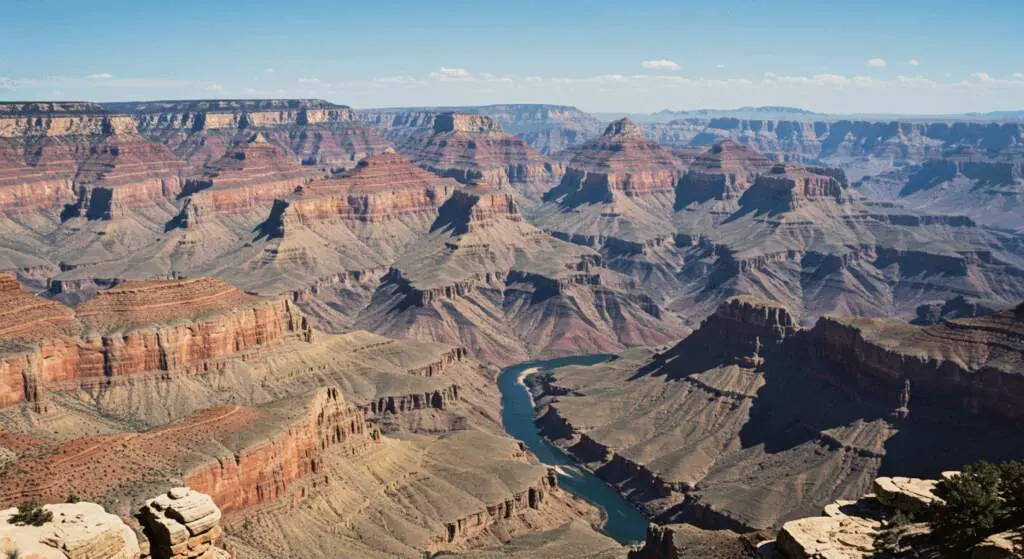
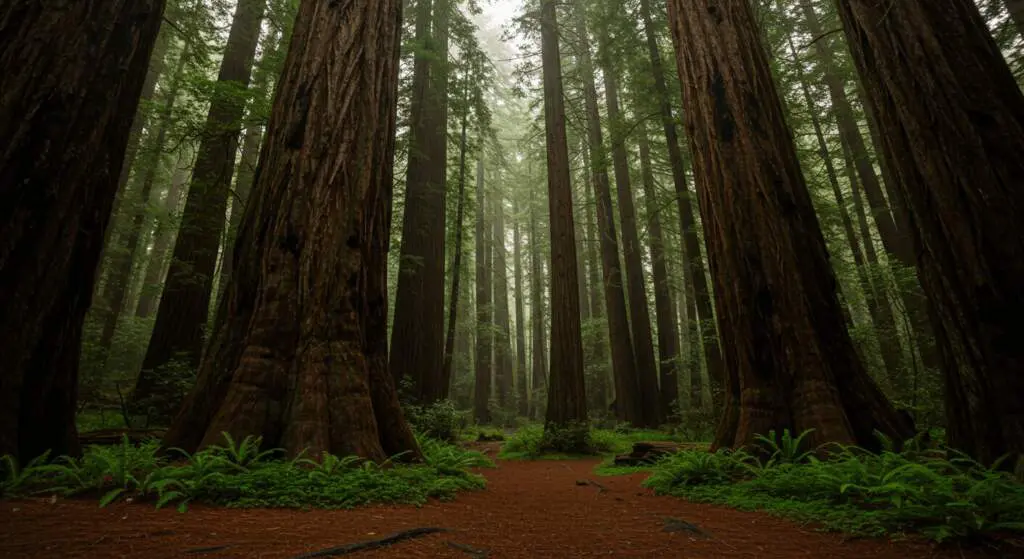
One key reason these parks are vital is their role in preserving ecosystems. These spaces are often home to species that can’t be found anywhere else. Without the protection national parks offer, many of these species would be lost forever. Another reason is accessibility. Unlike private reserves or exotic destinations that might cost a fortune, national parks are meant for everyone. Many have entry fees that are low or even free. They invite people from all walks of life to step into nature without needing fancy gear or expertise. And finally, there’s the human spirit. In an increasingly disconnected world, national parks reconnect us. They offer the kind of grounding experience you can’t find scrolling through social media. Here, among towering trees and echoing canyons, you remember what truly matters.
Beyond their beauty, national parks symbolize hope. Hope that future generations will have unspoiled lands to roam. Hope that nature can recover when we protect it. Hope that our fast-paced, tech-driven lives can find moments of stillness. If you’ve ever felt small while standing before a towering cliff or found peace beneath a canopy of trees, then you’ve already felt the magic of these places. My hope is that I can see all our National Parks before I die…
We evolved with nature—not apart from it. Our ancestors lived in forests, roamed plains, and drank from rivers. Even though modern life has taken us far from that way of living, the connection remains hardwired into our DNA. Have you ever noticed how your mood improves after a walk in the woods? Or how stargazing can make your worries melt away? Time spent in natural environments can reduce cortisol (the Stress hormone), lower blood pressure, and boost feelings of happiness and vitality. More than that, nature nurtures our creativity. The raw, untamed energy of a national park has a way of igniting our inner spark.
This bond between humans and nature becomes even more apparent when we’re kids. Watch a child pick a flower and embrace the smell, or see the wonderment in their eyes as they gaze and marvel at a waterfall, and you’ll see pure joy. As adults, we often lose that wonder—but national parks can help us find it again.
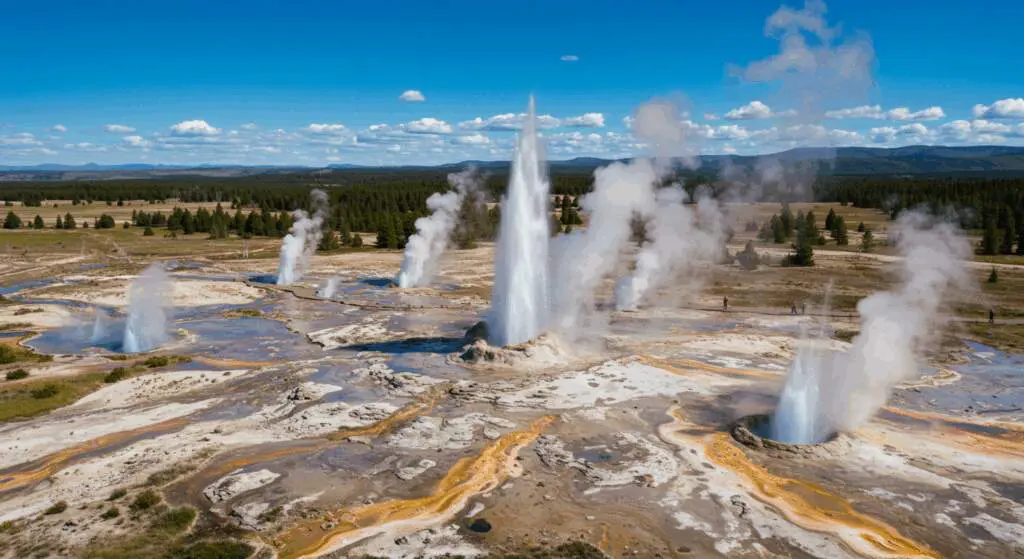
Believe it or not, the idea of a national park is a relatively modern one, and it started with. Yellowstone National Park, established in 1872 by President Ulysses S Grant., It was the first of its kind—a land preserved not for profit, but for people. The concept was revolutionary. It suggested that some places are so special, they should be set aside forever. Not for kings, not for corporations, but for everyone. This idea caught on and today we have 63 National Parks.
Behind every national park lies a story of passion, perseverance, and activism. These spaces didn’t preserve themselves. It took brave individuals—scientists, politicians, nature lovers—to fight for their protection. The early conservationists understood something crucial: that nature, once lost, can rarely be brought back. The establishment of national parks also marked a shift in thinking. Nature wasn’t just a resource to be used; it was a treasure to be protected. It turned landscapes into legacies.
At their core, national parks are about more than sightseeing—they’re about safeguarding the planet’s natural heritage. Conservation and preservation, while closely related, serve slightly different purposes in these areas.
Conservation focuses on the sustainable use of natural resources. It’s about ensuring that forests can regrow, wildlife can thrive, and ecosystems can function, even while allowing human interaction. Many national parks support eco-tourism, allowing visitors while carefully managing the impact.
Preservation, on the other hand, is more about maintaining things as they are—untouched and unaltered. Some parks emphasize preservation by limiting access to sensitive areas or banning certain activities that could disrupt natural processes.
Together, these goals form the backbone of national park policies. Rangers, scientists, and volunteers work tirelessly behind the scenes—tracking animal populations, managing forest Health, and educating the public. Their work ensures that the beauty we see today will still be here tomorrow. And let’s be honest—nature needs all the help it can get. Climate change, pollution, and deforestation threaten even the most remote locations. National parks act like lifeboats for biodiversity, giving ecosystems a fighting chance.
Spending time in national parks isn’t just good for your Instagram feed—it’s amazing for your body too. Whether you’re hiking through rugged mountains or strolling beside a tranquil lake, being active in nature naturally boosts your physical health. It’s like a full-body workout that doesn’t feel like a workout because you’re too busy taking in the views.
Cardiovascular health is one of the biggest winners here. Trekking trails or even walking briskly in these natural settings helps improve heart function and stamina. You don’t need a gym membership when you have trails that wind through forests and hills.
Let’s talk about air quality. Unlike the polluted air we breathe in urban areas, national parks offer some of the cleanest air on Earth. Breathing in this fresh, oxygen-rich air supports better lung function and boosts our immune system. It’s like detoxing your lungs with every breath.
And then there’s sunlight—your body’s natural source of Vitamin D. Exposure to natural light in controlled amounts helps improve bone health, supports immune function, and regulates Sleep patterns. Just don’t forget your sunscreen!
For families, parks offer an incredible way to bond through outdoor activity. From paddling a canoe to scaling boulders together, these shared experiences not only strengthen muscles but Relationships too. It’s health and happiness, bundled into one.
In a world increasingly dominated by concrete jungles, digital distractions, and environmental challenges, national parks are more important than ever. They are our planet’s sanctuaries, not just for plants and animals, but for our minds, bodies, and souls.
Embracing national parks means more than visiting them—it means respecting them, supporting their protection, and sharing their stories. These parks are living, breathing proof that when we value nature, we preserve not just ecosystems but our own humanity.
Whether you’re seeking adventure, healing, or inspiration, a national park is waiting to welcome you. All you must do is step outside—and step into wonder. So, join me in my Bucket List pursuit to see this great asset that the United States offers us.