
A little under two years ago, Nick Saban retired. Arguably the greatest college football coach of all time, his ability to sustain success and adapt over decades is hard to match. Since his Retirement, I’ve read a few books about him, including The Leadership Secrets of Nick Saban: How Alabama’s Coach Became the Greatest Ever by John Tally.
The title promises “secrets,” but the reality is what you’d expect: hard work, Relationships, consistency, accountability. Nothing new. The real value is in seeing how Saban applied those basics while adapting to the changes around him.
Coaches tend to follow a predictable arc. Early in their careers, they learn quickly but often think they know more than they do. In the middle, they hit their stride. Later, even though they’ve accumulated knowledge, many fail to stay current.
That’s the curve: knowledge rises, levels off, and then declines.
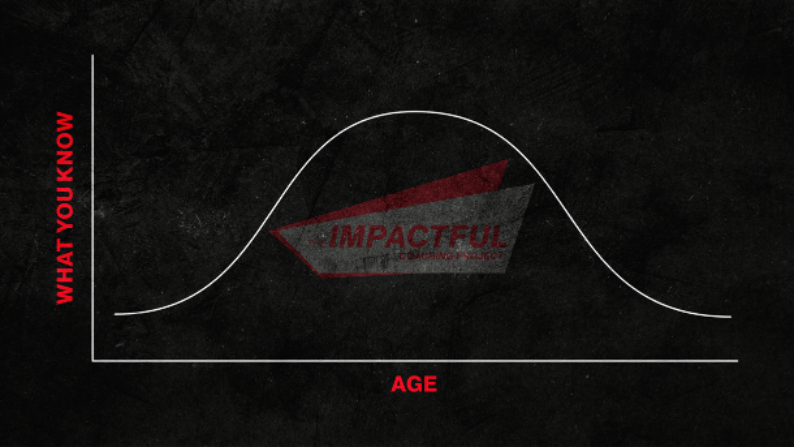
Saban was an outlier. He was still at his best at the end of his career.
One example was his approach to offense. For years, Saban was vocal in criticizing hurry-up, no-huddle systems. But when it became clear that style was here to stay, he didn’t just tolerate it—he changed. He hired Lane Kiffin, who was opposite of him in just about every way, and completely retooled the offense. Within a couple of years, Alabama was beating teams at their own game.
That level of change is simple to write about but brutal to actually do. It required humility, discipline, and the willingness to listen to people who thought differently than him.
Everyone needs a Lane Kiffin—someone who sees the game differently and forces you out of your comfort zone.
Compare that to Bill Belichick’s last few seasons in New England. One of the most successful NFL coaches ever, but he struggled to adapt and the results showed. It’s a reminder that even great leaders can get stuck in old ways.
The lesson here isn’t about football. It’s about whether we choose to keep learning. If you make curiosity and adaptability a normal part of your process early, you’ll be better positioned to adjust when the game changes later.
This is where the 3 C’s matter:
Competence – surround yourself with people who challenge your knowledge base.
Care – value relationships enough to listen, even when the voice sounds different from yours.
Constant – make learning and adapting part of your daily discipline, not something you try to flip on at the end of your career.
Most leaders ride the curve up, then plateau, then fade. A few, like Saban, find a way to bend it upward at the end. That’s his real Legacy.
Things That Are Making Us Think
“You can’t improve if you don’t know what you’re doing wrong. Most geniuses—especially those who lead others—prosper not by deconstructing intricate complexities but by exploiting unrecognized simplicities. Avoiding stupidity is easier than seeking brilliance. Results are a function of position.” -Shane Parrish
“Culture is partly what you encourage, but culture is mostly what you permit. What you accept. What you allow.” -Nick Saban