
Think about your most recent bit of travelling.
Where did you go? Who did you go with? What did you do?
Maybe it was a long weekend checking out a new city with friends or maybe it was 12 months of solo backpacking around the world.
It doesn’t matter where you went or what you did; the more important question is: Did you make the most of it?
You might not realise it but this isn’t just down to your destination or your companions — it is down to something else that is far more intangible: your mindset.
Influencing your travels
Travel could be the making of you as you embrace adventure, try new things and meet new people or it could be the most miserable time as you count every penny, close yourself off and just dwell on all the things you miss about home.
I’ve experienced both extremes; from being up for everything and making unforgettable memories to not retreating far from the hotel and counting days until I return — believe me you can be miserable whilst simultaneously being in awe at facing Everest (as I once was).
Understandably, how your trip pans out depends a lot on your natural disposition; the detail person may obsess over planning, the social media fiend may be on their phone all the time, the socialite may over-index on partying, the hygiene person may freak out about the lack of cleanliness — the list is endless.
Just as important, however, is how you show up during your travels — if you have a positive, curious mindset you will enjoy things far more.
My travel experiences
Throughout my late Teens, Twenties and early 30s, I had some epic adventures: 6 months backpacking solo around Latin America, a month trekking through the Himalayas with friends, a 3 week driving holiday through Syria with my sister, 6 weeks on a communal bus motoring around New Zealand and more.
Those trips had been scary, pushing me out of my comfort zone, but they had shaped me and I still regularly draw on stories and lessons learned from those trips.
At the time, those trips felt like adventures. Looking back, they were also rehearsals for discomfort — something I later tried hard to avoid.
Realising that my sense of adventure might get curtailed over time, I long ago made a rule that I needed to visit 2 new places a year to encourage me to continue to explore.
Whilst I have just about upheld that rule (Covid years aside); I stopped properly travelling about 10 years ago around the time my career took off — sure I still visited many foreign cities but that usually was for work (where you only ever visit an office, a hotel and some restaurants) or for specific events (e.g. weddings, funerals, etc). Other than that I might grab a few days on a beach here or there, but even then I’d get anxious that I was taking too much time off work and would rush back home.
Life had become busier and, if I’m honest, I wasn’t the same person I was when I was younger — I’d become more afraid of doing scary travels and gotten used to a level of certainty and comfort; it happens to most of us.
Throw in the fact that I started my own business 6 years ago, no easy feat, and I began to travel even less for pleasure.
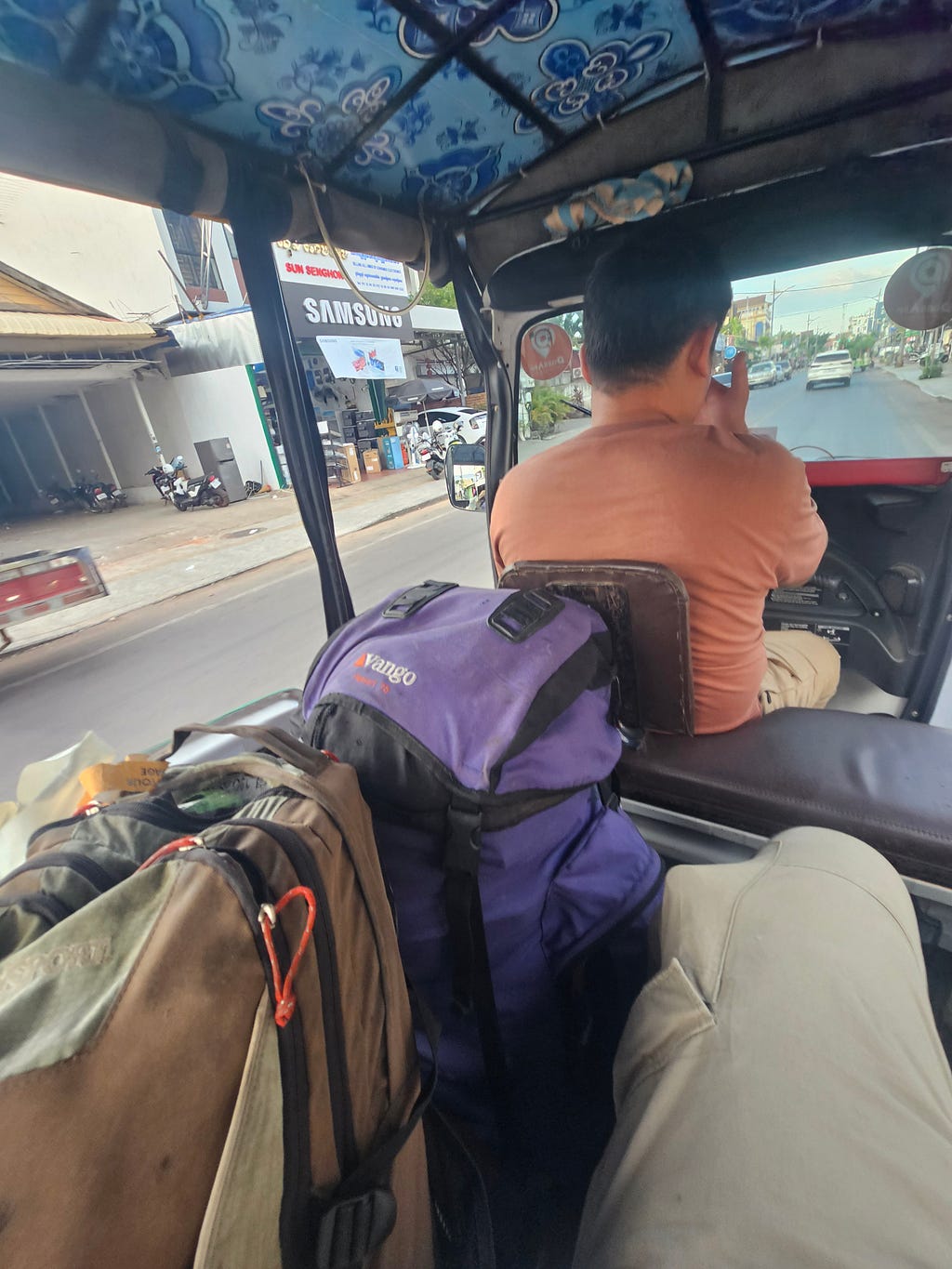
Eventually, this year, I came to realise that I was missing out and so over the summer, I committed to go backpacking with a friend to SE Asia for 3 weeks — a trip I have just come back from.
Whilst I didn’t think much at the time that I booked it, when it came to the time to set off, I realised I was very nervous.
Would I actually make the most of my 3 weeks away?
My epiphany
For the most part, I had an amazing trip.
I saw sights that took my breath away, I got to explore cultures that were vastly different to my life back home, I met amazing people, I tried so many new foods.
At the same time, there were parts that were not enjoyable — the over crowding of tourists, the discomfort of long bus and plane journeys.
Even more uncomfortable: There were points I found myself frustrated, isolated and in a foul mood — resulting in me wasting valuable time on my trip.
This first happened to me a few days into my travels when I discovered that a new client my business had been chasing had decided to go with a competitor. This piece of bad news led to me sitting in my hotel room that night watching terrible TV and not speaking to anyone for 16 hours rather than attending the evening tour I had previously planned — not the best way to be particularly as this mood lingered for a couple of days.
Fortunately I soon snapped out of this tailspin but I was keen to make sure this didn’t happen again.
When I reflected on these it became clear that these times were all linked to when something knocked me into a negative mindset.
The more I reflected the clearer it became, I needed to heed the warning signs and develop an approach to keep myself in a positive mindset throughout my travels otherwise I would be wasting more and more of my trip
The way to ensure you have a great trip every time
Being an analytical and reflective person, I did what I always do when something matters to me: I built a system that led to me staying positive and enjoying my travels.
Allow me to share it with you; it comprises of 7 points:
Ultimately to travel is a fantastic opportunity that not everyone is lucky enough to get. So the more you can stay positive on your travels, the more you will get a range of learning from it (way beyond the sights you see).
Heck! If you really do it well, it could be a chance to reset/pick up new habits that you take into the rest of your life.
The question isn’t whether travel brings out the best or worst in you — it’s whether you’re paying attention when it does.
Faris
Faris is the CEO and Founder of Shiageto Consulting, an innovative consultancy that helps firms and individuals sharpen their effectiveness. Connect with him here
Success = IQ x EQ x FQ
Want to assess your levels of IQ, EQ and FQ? click here
Originally Published on https://farisaranki.medium.com/