
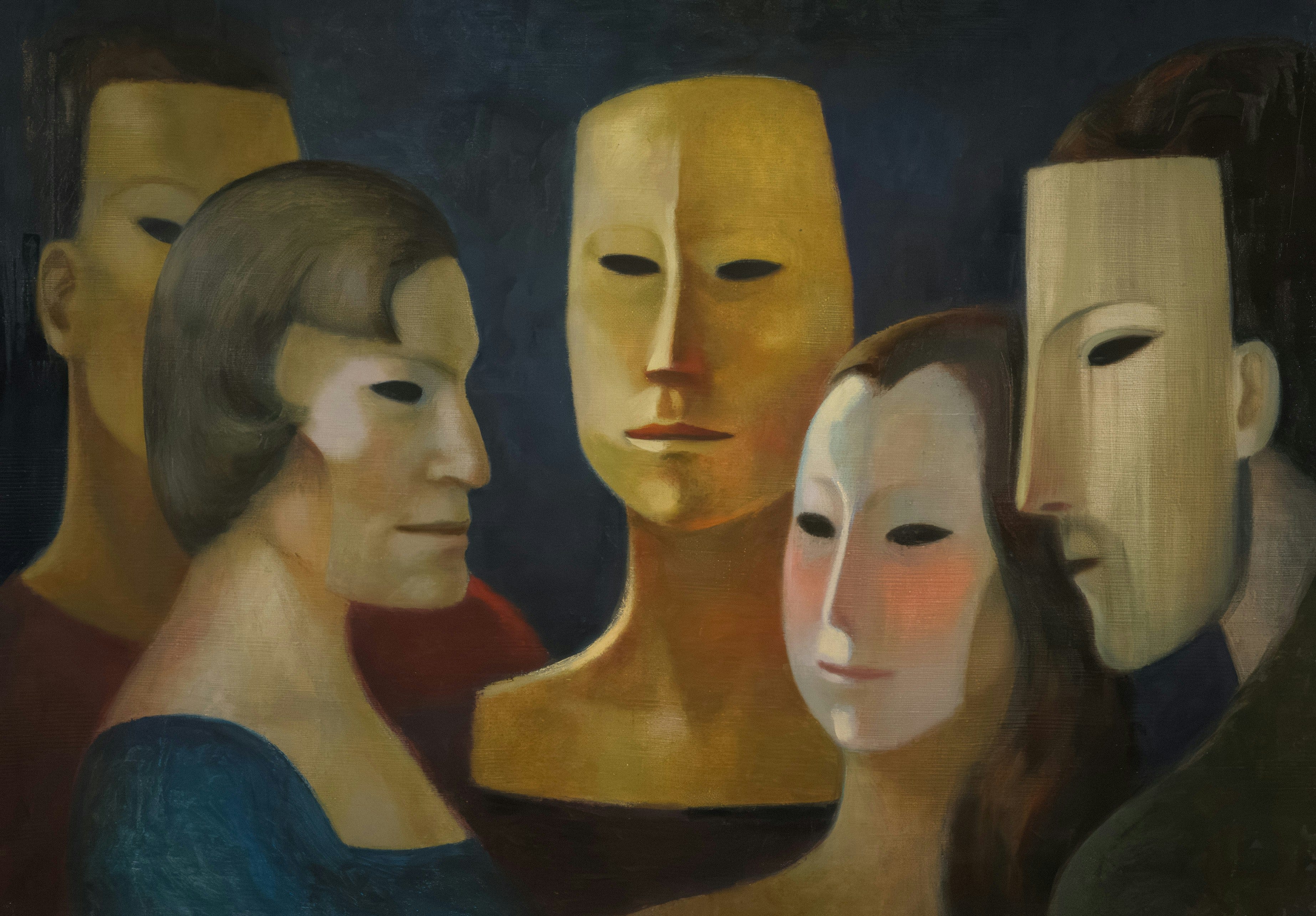
Image by Europeana for Unsplash
When you spend your entire career working for organizations, you tend to take certain things for granted.
Structure, for one. You have a calendar peppered with meetings and calls. You’ve been given assignments that spell out what you must do, and deadlines by which it must be done. You have co-workers who help you fulfill your tasks. You may be part of a team. You may even lead a team.
Your role in the organization is spelled out for you.
You only really appreciate all the framework around you when it isn’t around anymore, and you stand alone.
In The AfterWork (the life stage formerly known as Retirement), every element of that framework disappears. From having little time to spare, you go to having all the time in the world and nothing particular to do. From living a structured day, you go to an empty calendar. From a coterie of co-workers, you find yourself a team of one.
That can be a shock. It’s no surprise that many people enter TheAfterWork disoriented, dismayed, and confused. It’s a radically different experience from work life.
Your old role is gone. To make the most of your post-career life, it behooves you to find yourself a new role. Sadly, you must find it on your own – without a boss telling you what it is, or when it’s due, or with whom you must work. Without any of the supports you took for granted for years.
Some people seem to do that easily. Some people never get around to it – they just drift and let things happen to them. The people who seem happiest in their post-career lives confront their new situation, work through its mental and psychological challenges, and carve out a new role for themselves that brings them satisfaction and meaning.
When someone you just met asks what you do, you don’t want to discuss what you did. And nothing strangles a conversation faster than saying, “I’m retired.” You need a better answer. You need to craft a better story about what you do now.
The good news is that you can create whatever story you want. (And if you can’t quite find your way on your own, you might get assistance from a retirement coach.)
Ben Green and Scott Fisher, authors of the new book The Aging Wisely Project, even suggest that finding a new post-career role is a new life stage, which they call “elder identity revision.” They theorize that we may need to revise our sense of identity to find joy, purpose, and meaning in later life.
Creating a new role can be a positive experience. Harry Agress Jr., MD, author of Next Years Best Years: Taking Your Retirement to the Next Level, says the post-career years offer us four freedoms:
Freedom from failure. “Retirement gives us permission to explore, to sing off-key, to paint badly, to simply enjoy.”
Freedom from self-comparison. In retirement, you need not measure yourself achievements against anyone else’s. “It’s enough that the activity brings you joy.”
Freedom from others’ expectations. You can shed what others think you “should” be doing. “Let them think what they want.”
Freedom from valuation by Money. “When money is no longer the measure, joy and meaning take center stage.”
“The identity crisis of retirement is real, but it’s also an opportunity,” writes financial planner Heidi Oakley. “For the first time in decades, you get to choose who you want to be based on your interests, values, and dreams rather than external expectations or financial necessity.”
Opportunities often come disguised as regrets. For Denise Taylor, a career and retirement coach, accepting a buyout from the organization where she had risen from a clerical role to senior management seemed prudent, but painful. “My role was no longer needed, but I still needed the version of myself that had grown there,” she writes. “At the time, I grieved.” In retrospect, she adds, “I can see it was a pivot point. A place where one life quietly ended and another began.”
It’s perfectly natural to mourn the loss of a past role. As Taylor suggests, mourn, then move on. With good Health, good genes, and good fortune, you could be looking at 25 to 30 bonus years after one career ends – more than enough time to find a new role (or a new career) that you design for yourself, a role based on doing what you value most and doing whatever brings you the most satisfaction.