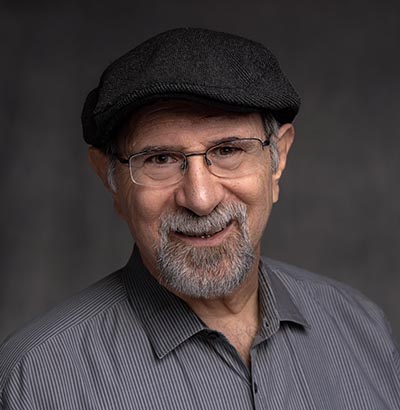


Photo by Natalia Blauth for Unsplash+
As last Wednesday dawned, I was a happy, healthy 74-year-old. By the end of the day, I had transformed into a dysfunctional invalid. I am still not sure what happened.
I’ll spare you the long narrative with full orchestration and stick to the basic plot line. One ordinary day, doing ordinary things, my balance deserted me. It felt like my internal gyroscope had taken a tumble. I never fell, but I stumbled around gripping walls and furniture for support. I also had a headache that wouldn’t quit and a stiff neck. The following day I couldn’t get out of bed without the aid of my wife and a pair of hiking poles. A four-hour visit to the emergency room, which included a CT scan and an EKG, yielded no more clues to my condition, though it did uncover a sinus infection. Back home, my balance improved, but at dinner my hands shook so violently that I struggled to get food on a fork and the fork to my mouth. Texting and typing were equally slow, frustrating, and exhausting.
Over the following days my balance issues and the tremors lessened, then returned, then lessened again, in no discernible pattern. As of this writing, I am back to 100% of my former self, but no wiser as to what brought on the symptoms.
Physical symptoms aside, this week of living precariously has inflicted a psychological toll.
As I filled a glass with water and my trembling hands spilled half of it on the floor…
As I walked through my apartment, dependent on chairs and tables for support…
As I struggled with shaky hands to enter the four-digit password of my phone…
As I haltingly typed a one-line email reply, letter by letter by letter…
As each ordinary task that should have been automatic and routine turned into a pitched battle between my will and my muscles, my mind swiftly turned to imagining my life if these conditions persisted. It was a terrifying vision.
I feel empathy for others who live with tremors and/or balance issues permanently. I admire anyone who faces these conditions and yet somehow, with Therapy, persistence, or just sheer indomitable will, adapts to these disabilities and continues to lead a manageable life.
I might get there myself, if I have to. That would be an upbeat, positive-Aging approach. But my first response to the frustration, I am ashamed to say, is that if I must suffer through tremors and instability for the rest of my days, I would wish for fewer days.
Eating and writing are two of my most highly valued, life-sustaining activities. When every bite of food becomes a struggle, and when my ability to write down my thoughts is reduced to five words per minute, living looks a lot less attractive to me.
In four months, I will be 75. Some scientific evidence shows that age 75 is the point when the body transitions from young-old to old-old.
If this is the preview of old-old, I’m rapidly losing interest.
I know I should be thinking happy thoughts, optimistic thoughts, resilient thoughts. That’s the official mantra of positive aging: You absorb a physical or mental loss, you work around it, and you find a way to keep smiling as you brace for the next one.
So here is my upbeat, happy response: It was only a week. It’s all better now. It was just a warning shot across the bow, preparing me for a day far in the distant future (hopefully) when old age’s assaults on body and brain register on a permanent basis. By then I will be prepared to cope in a positive manner, taking these losses in stride.
And still, I would Love to know what caused the tremors and balance issues, so I can do whatever it takes to prevent them from clobbering me again.